What I Learned Shooting the Avatar Sequels
I spent three years on the Avatar sequels — The Way of Water, Fire and Ash, and parts of Avatar 4 and 5. It was the longest single commitment of my career. More than a job. More like a college education in filmmaking, taught by the most demanding professor alive. I arrived as a young cinematographer who'd been handed a phone number. I left with a vocabulary for problem-solving that I bring to every set I walk onto.
This is the story of how I got there, what we actually built, and what James Cameron taught me about the relentless pursuit of the image.
The Phone Call
In 2015, I was working for K-Michel Parandi on a project called Orphans of the Void for Scott Free Pictures. One day into the shoot, a man named Garrett Warren walked up to me, handed me his phone, and told me I was the most talented cinematographer he'd met. He made me enter my number. I didn't know it yet, but that moment started a ten-year journey.
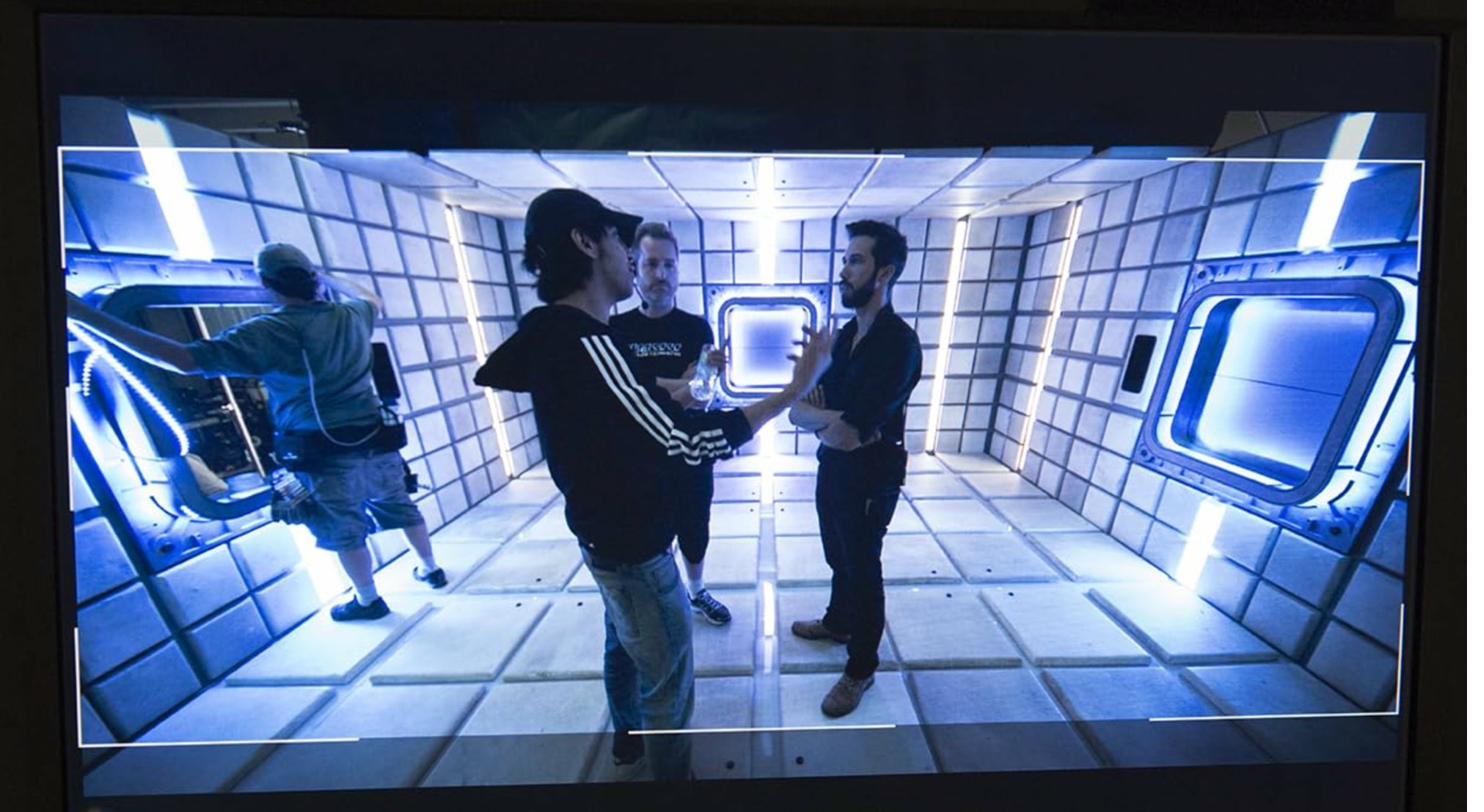
Garrett is the 2nd Unit Director and Stunt Coordinator of the Avatar franchise. He hired me to shoot a Mortal Kombat web series for Warner Bros, which got shelved when the release date didn't align with the video game launch — they saved the IP for a later film. Then, in January 2017, I was in Johnson Valley, California, shooting a documentary about the King of the Hammers race with Jessi Combs, who would tragically pass away a few years later. My phone rang.
"I just got off the phone with Jim. How would you like to be my lead cameraman for the Avatar sequels?"
Yes. Obviously yes.
"Well, you better get up to speed on your SCUBA training. There's gonna be a lot of underwater work."
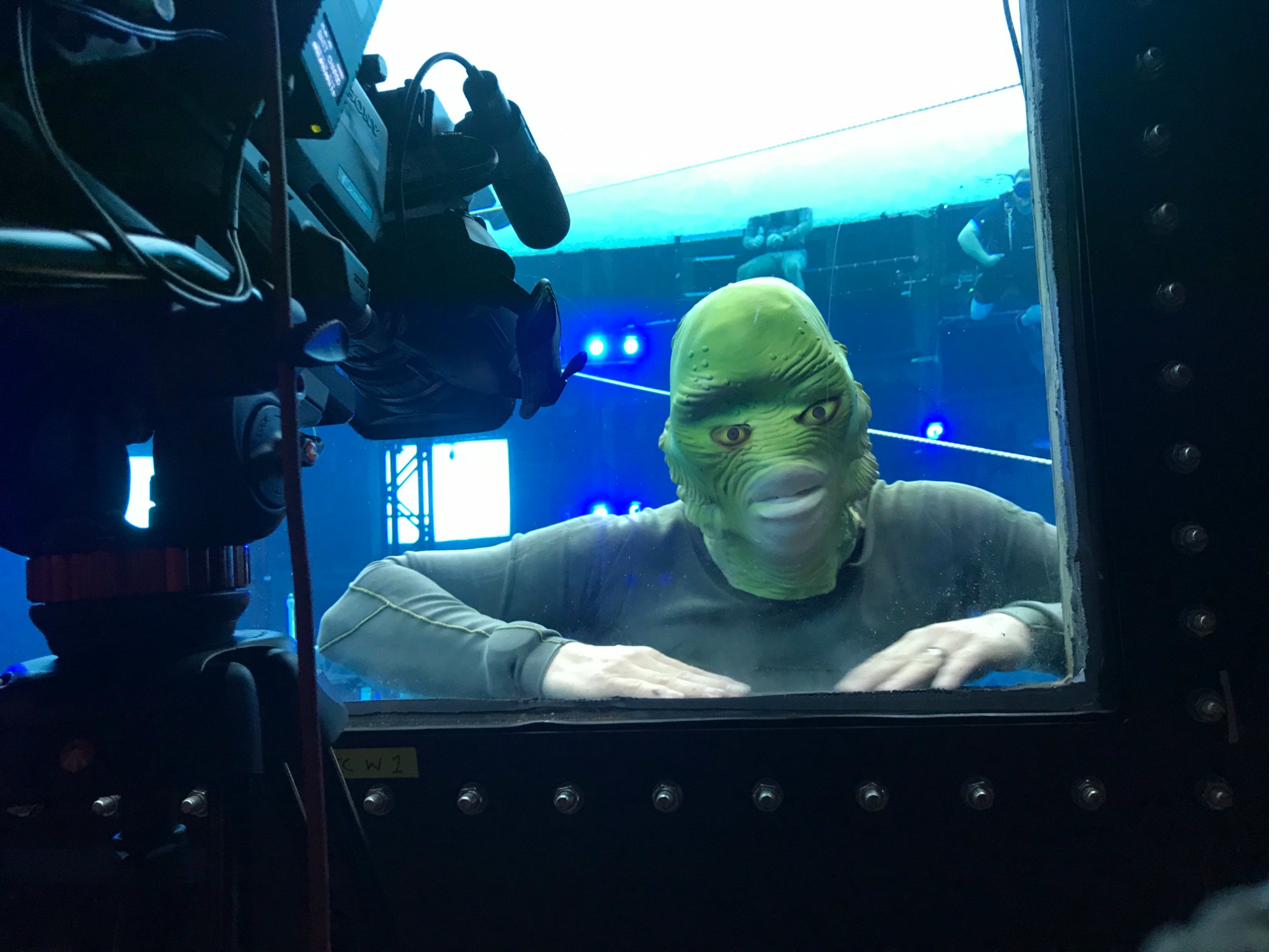
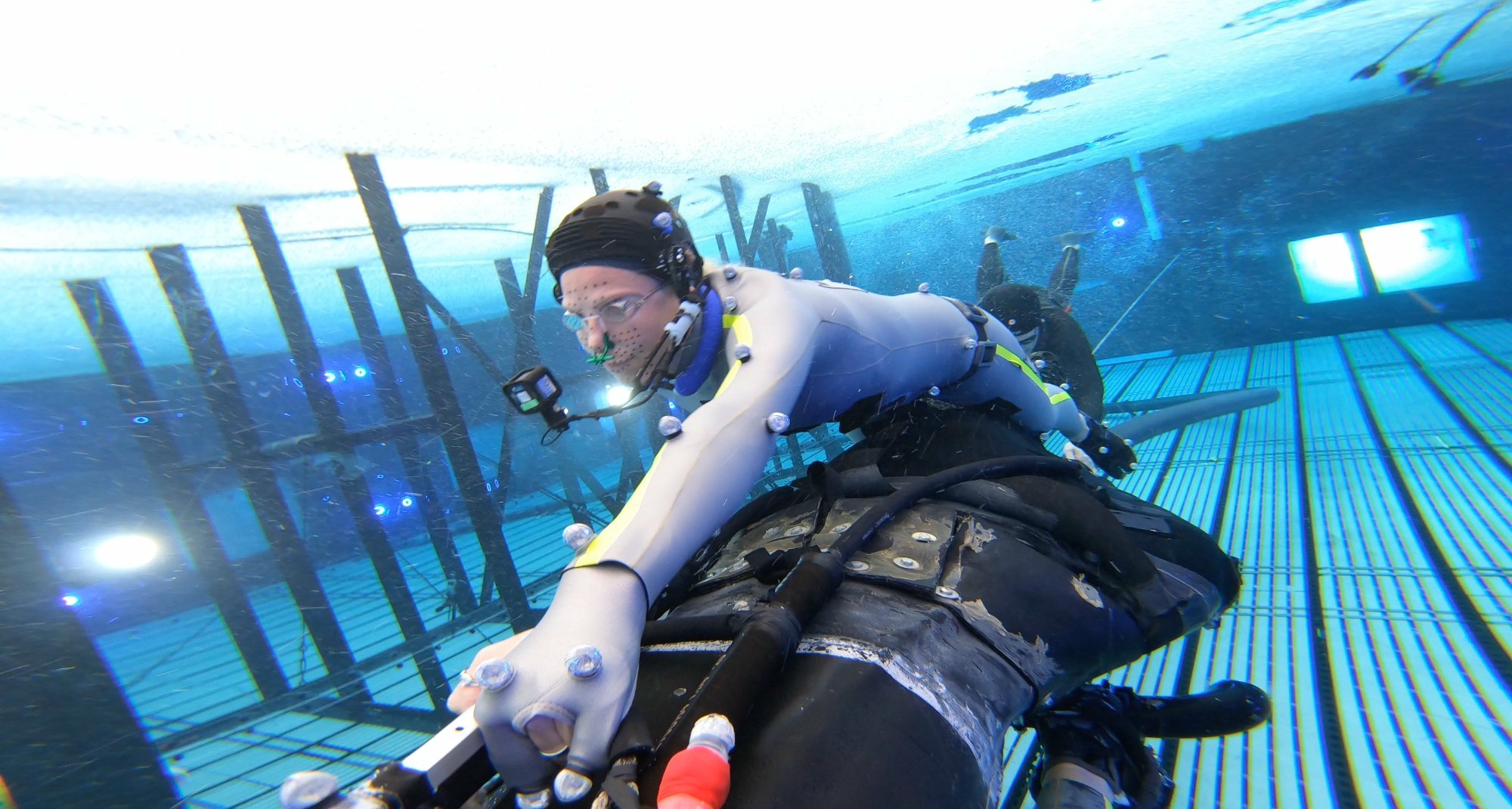
Within days I was training with retired Navy divers in Laguna Beach alongside Garrett's stunt team. I earned my Advanced PADI certification and completed Rescue training. I remember the surreal experience of calling clients to cancel upcoming jobs because I now knew I'd be unavailable. I was going to work on Avatar. It was hard to say out loud without laughing. I knew it was going to be big. I had no idea it was about to become the next three years of my life.
The Bahamas
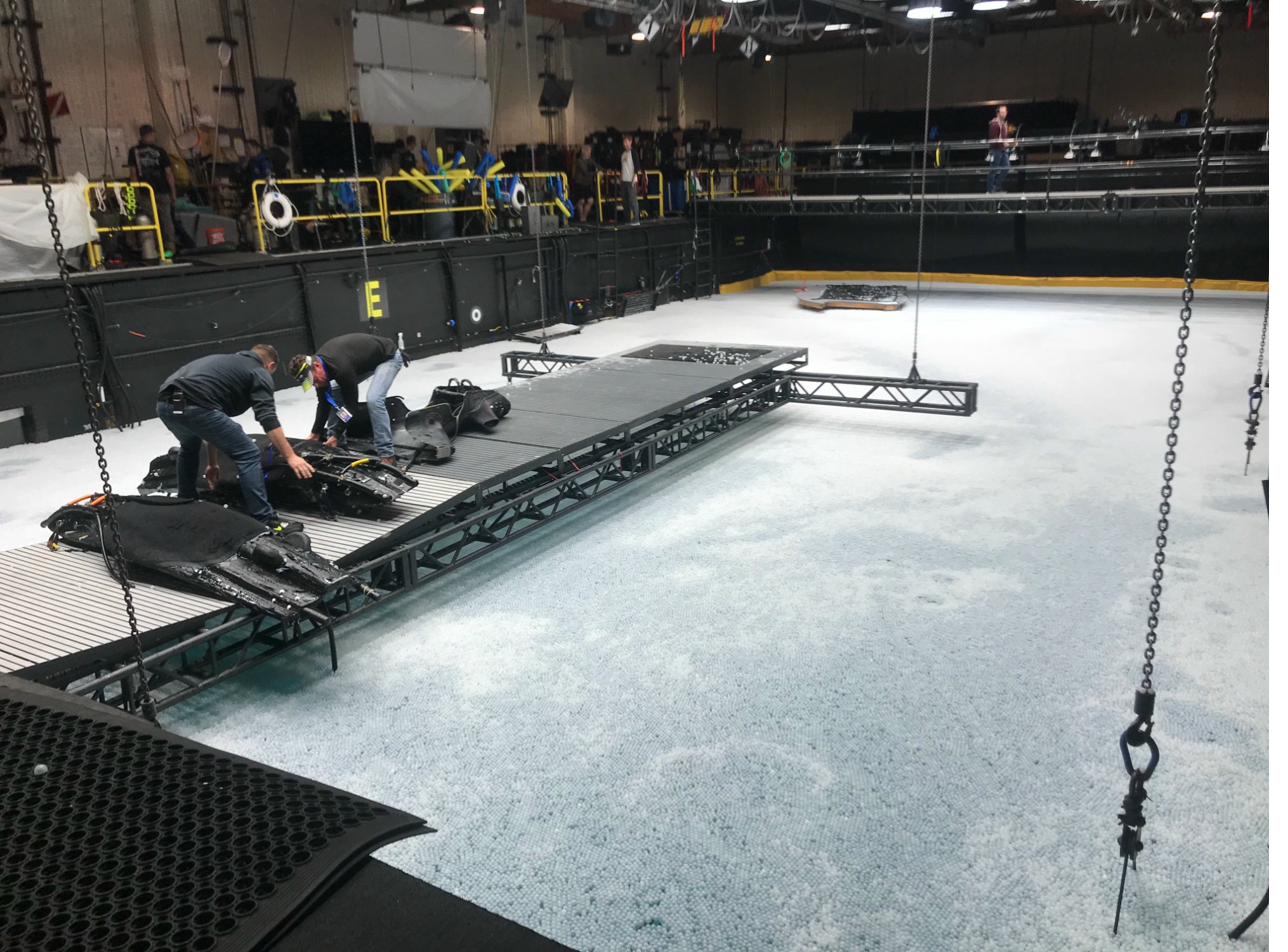
My first day on set was actually during pre-production. Garrett and I scouted every body of water around Los Angeles to find water clear enough to shoot in. The process was simple: I'd jump into the Pacific Ocean in February wearing a 6.7mm wetsuit, dunk a GoPro underwater, surface, and say "nope." We settled on San Pedro for the bulk of our shoots, did one large trip to Catalina Island just outside of Avalon, and then the entire pre-production crew flew to the Bahamas.
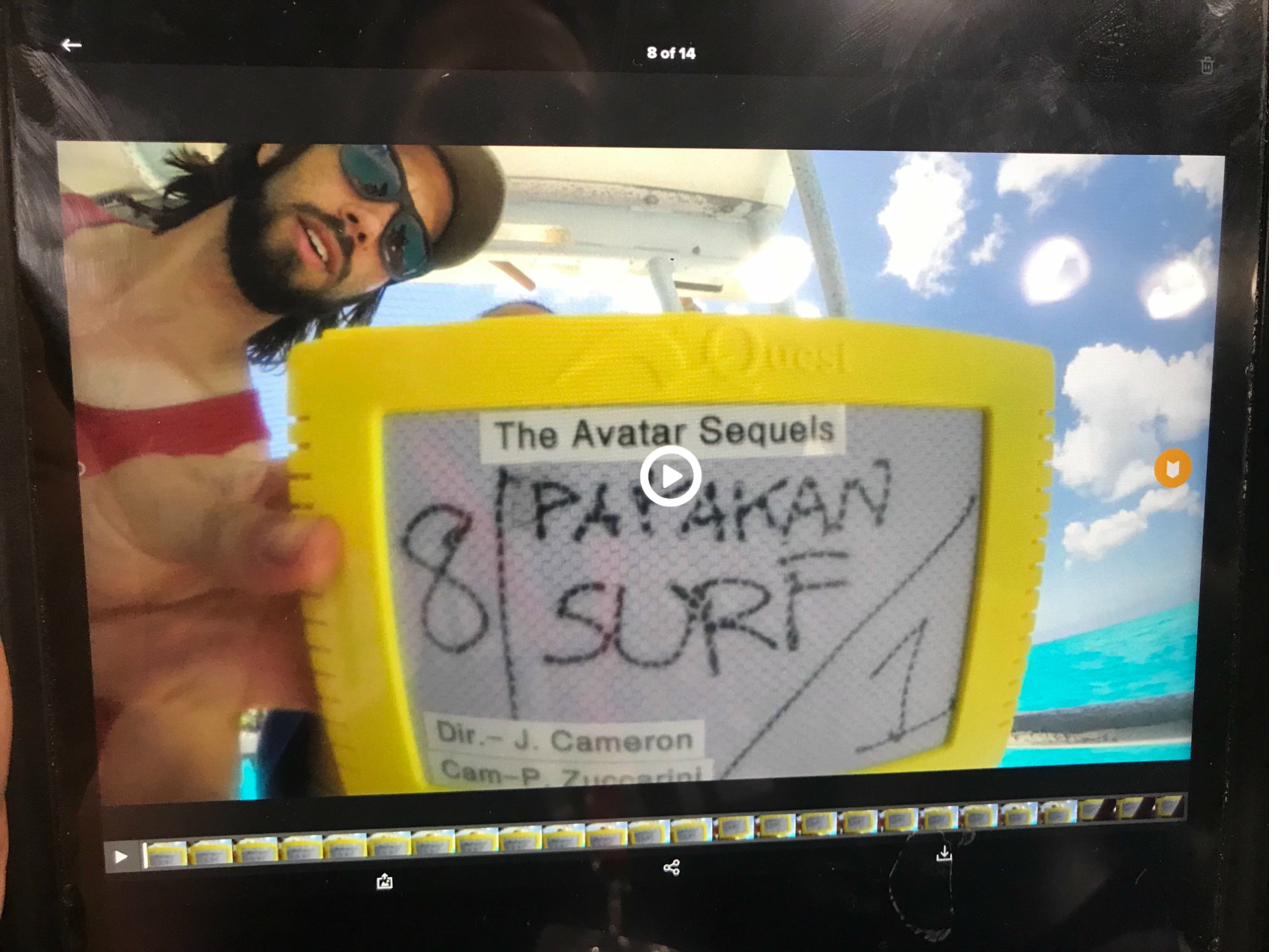
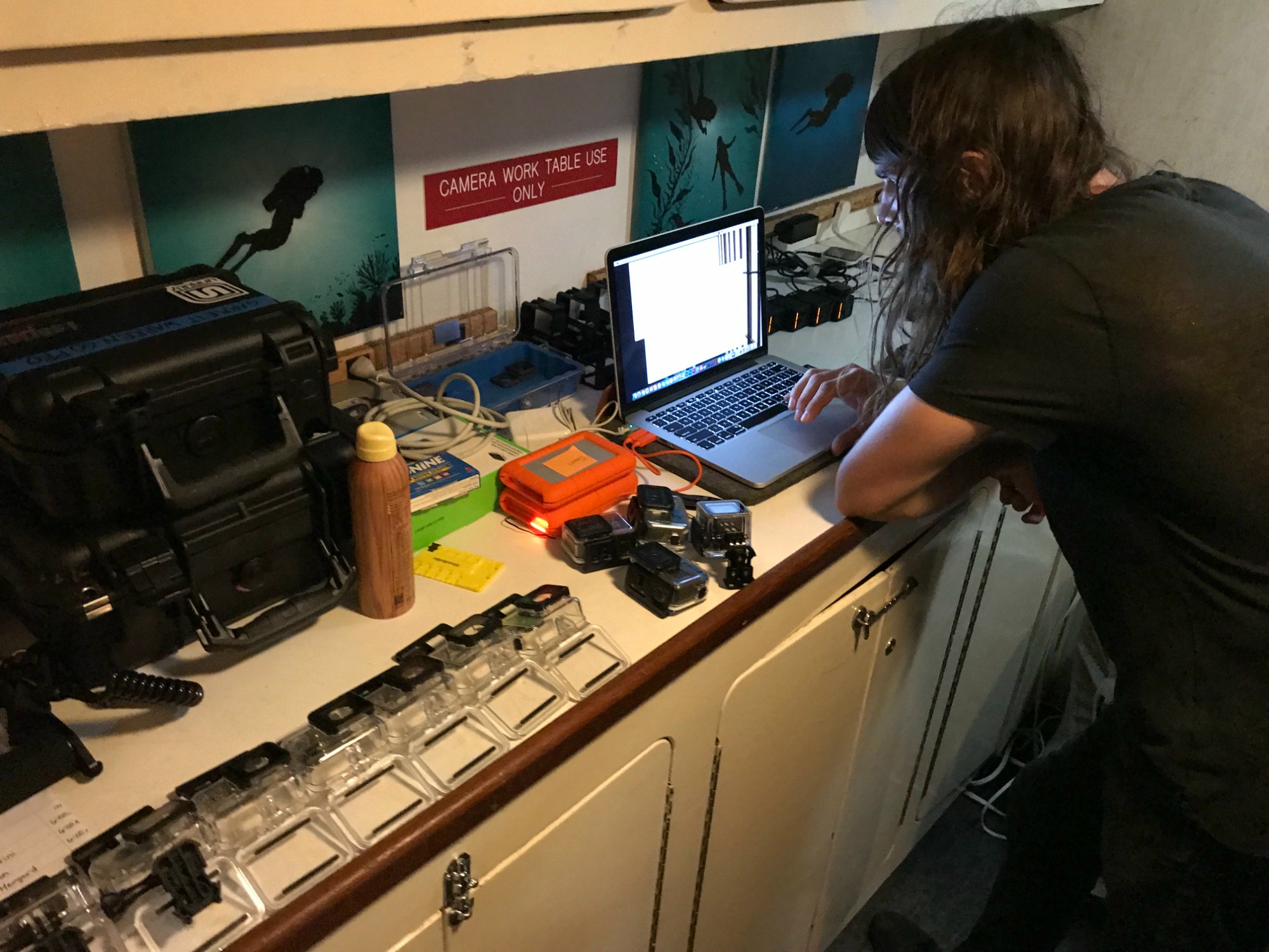
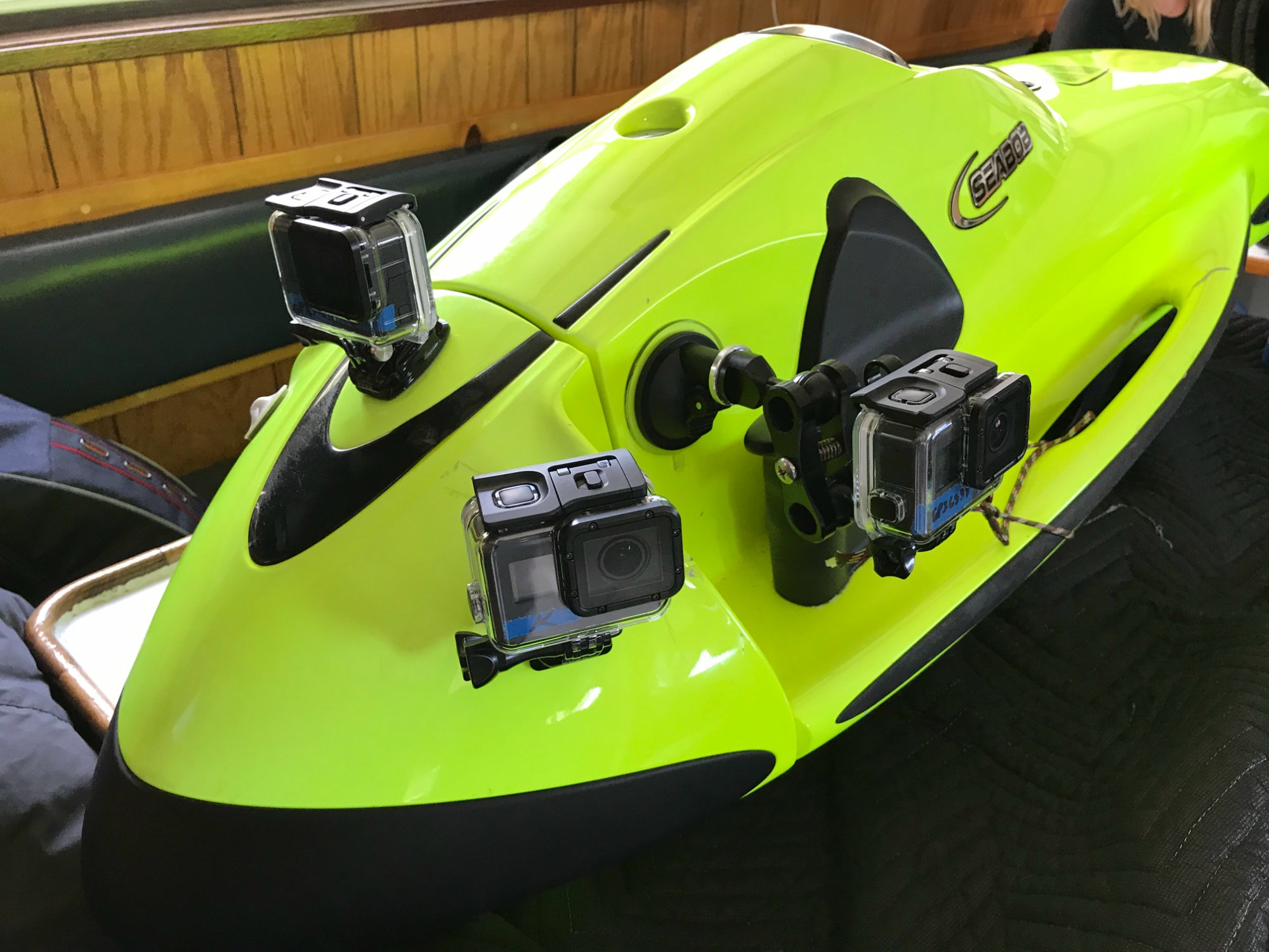
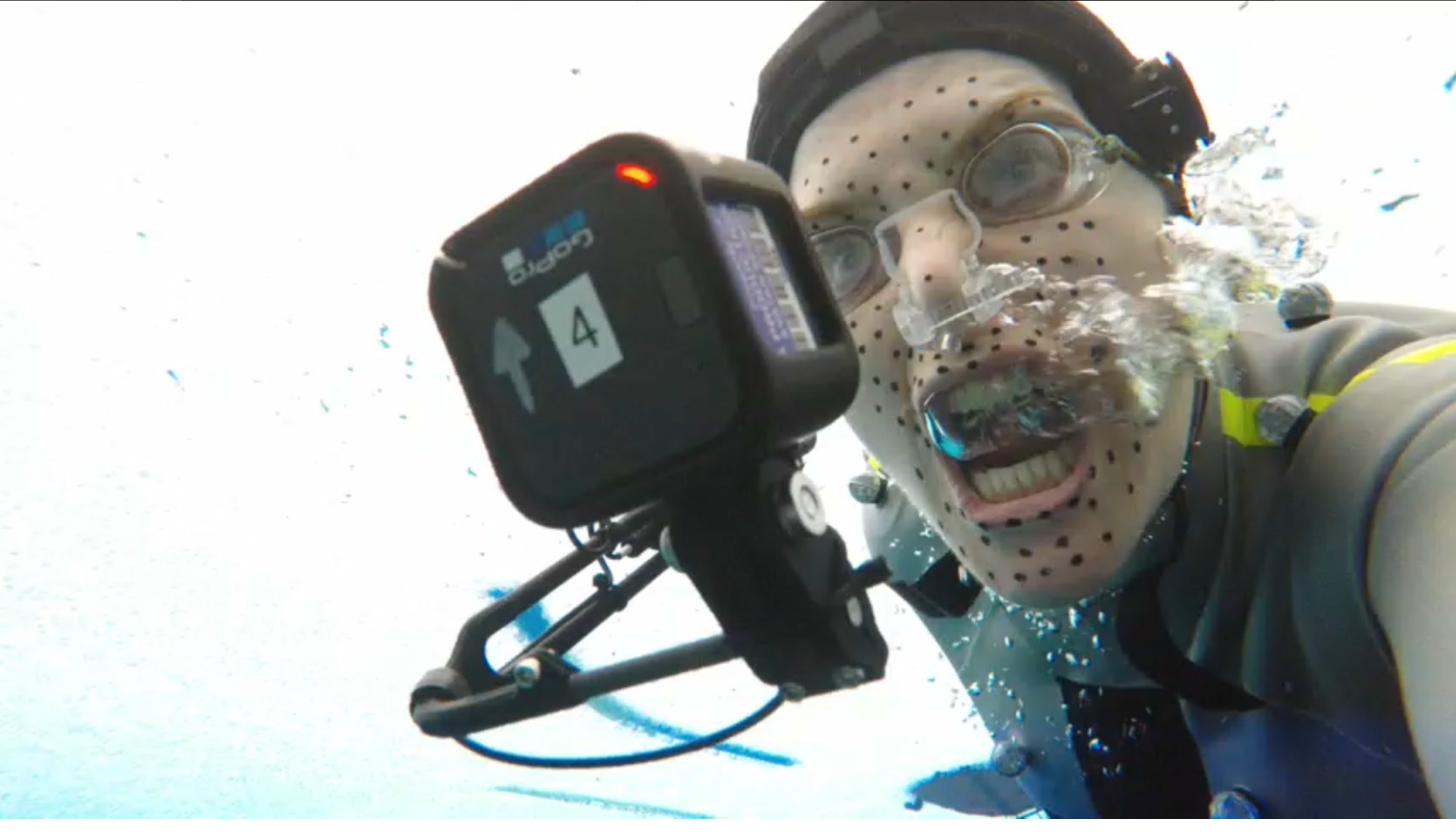
The Bahamas was the biggest shoot I'd ever been part of. It was also the hardest. Another colleague, Dave Lang, and I were responsible for over 50 GoPro cameras. Every camera had to be slated for every take — which sounds manageable until you realize the cameras were rigged to "sea creatures" and we were operating in the middle of the open ocean. We had to slate each one, then write detailed camera notes for every single unit. There was no existing workflow for this. Dave and I invented one from scratch. It worked. We became the unsung heroes of that shoot.
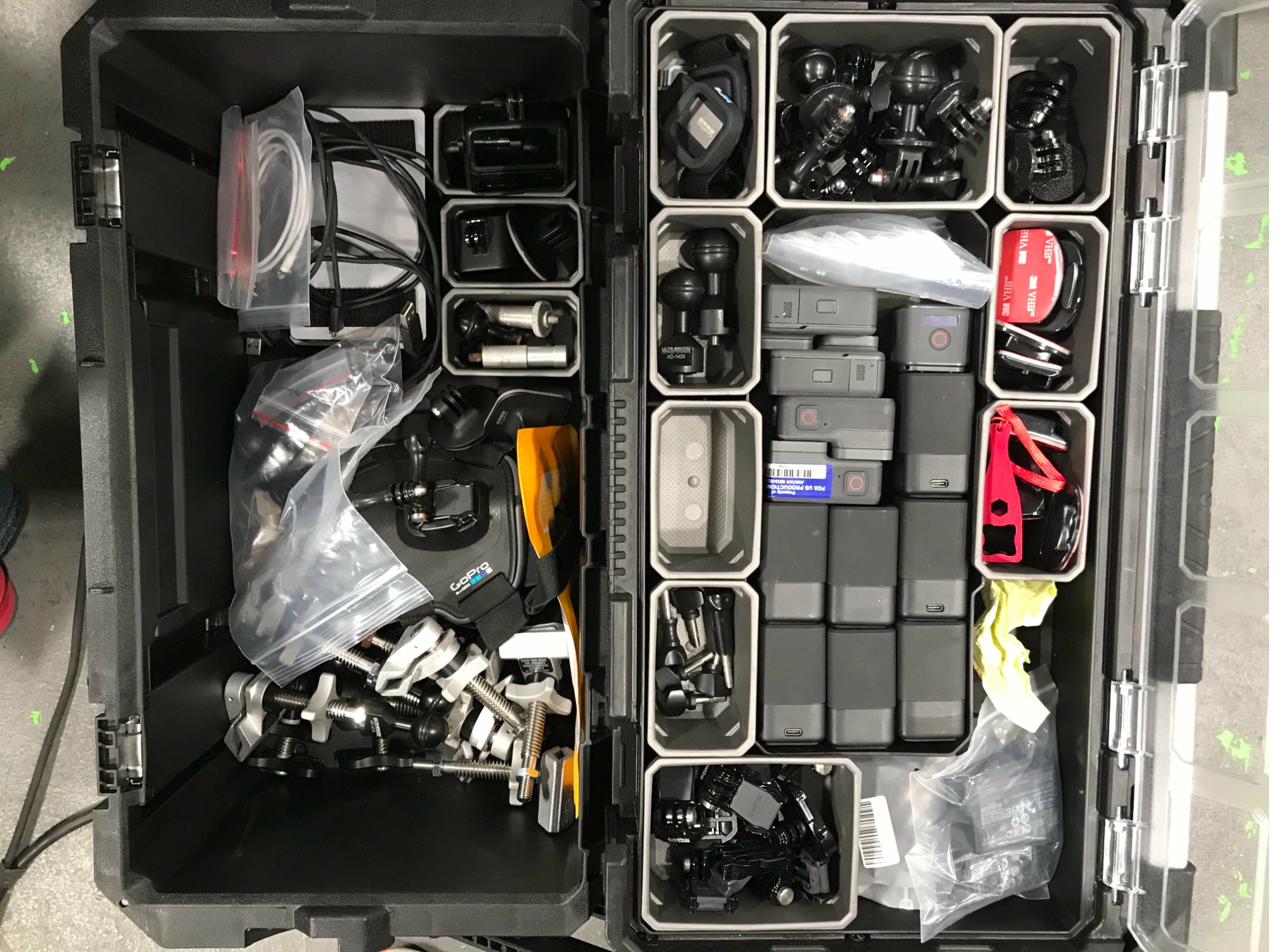
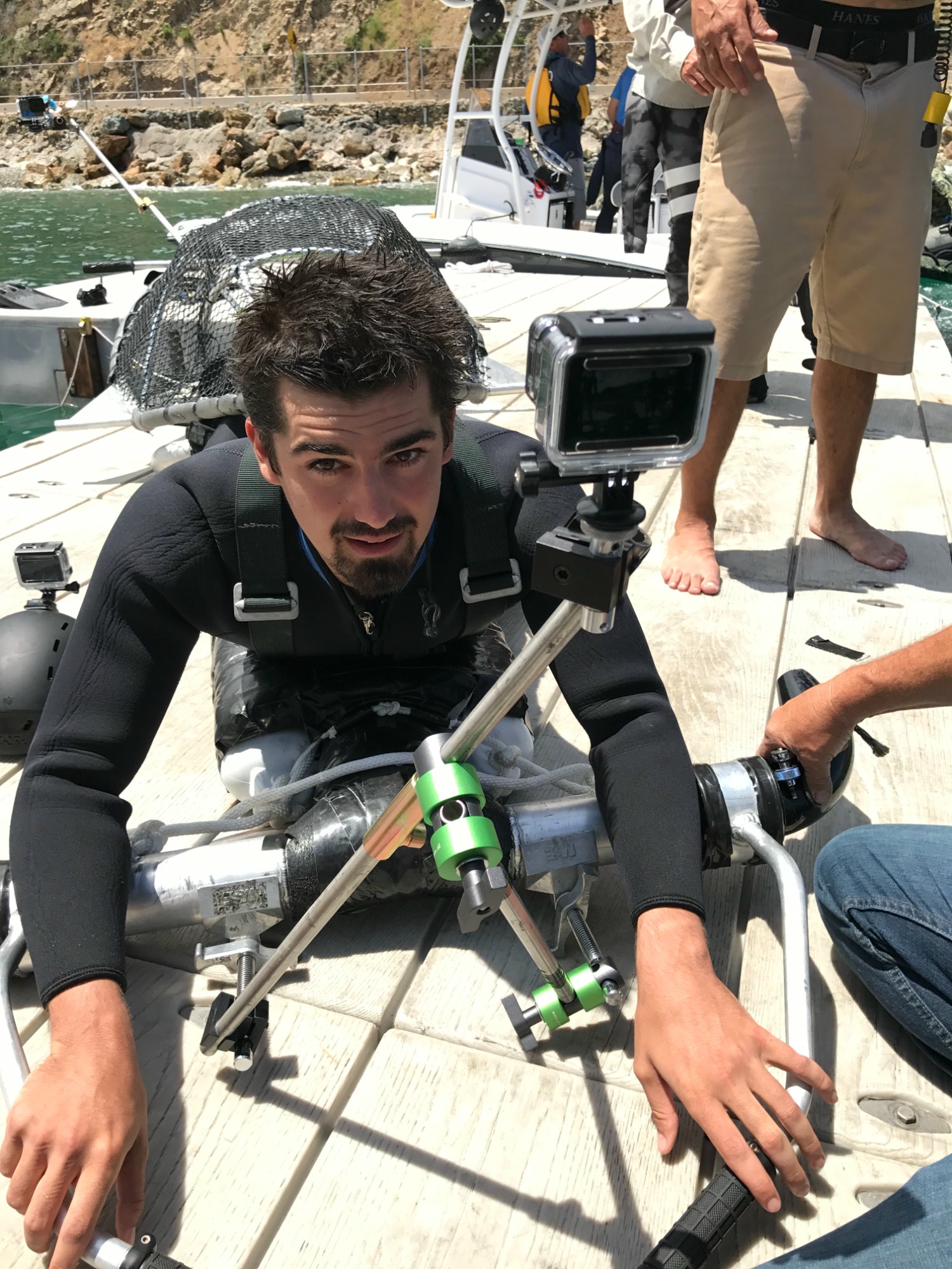
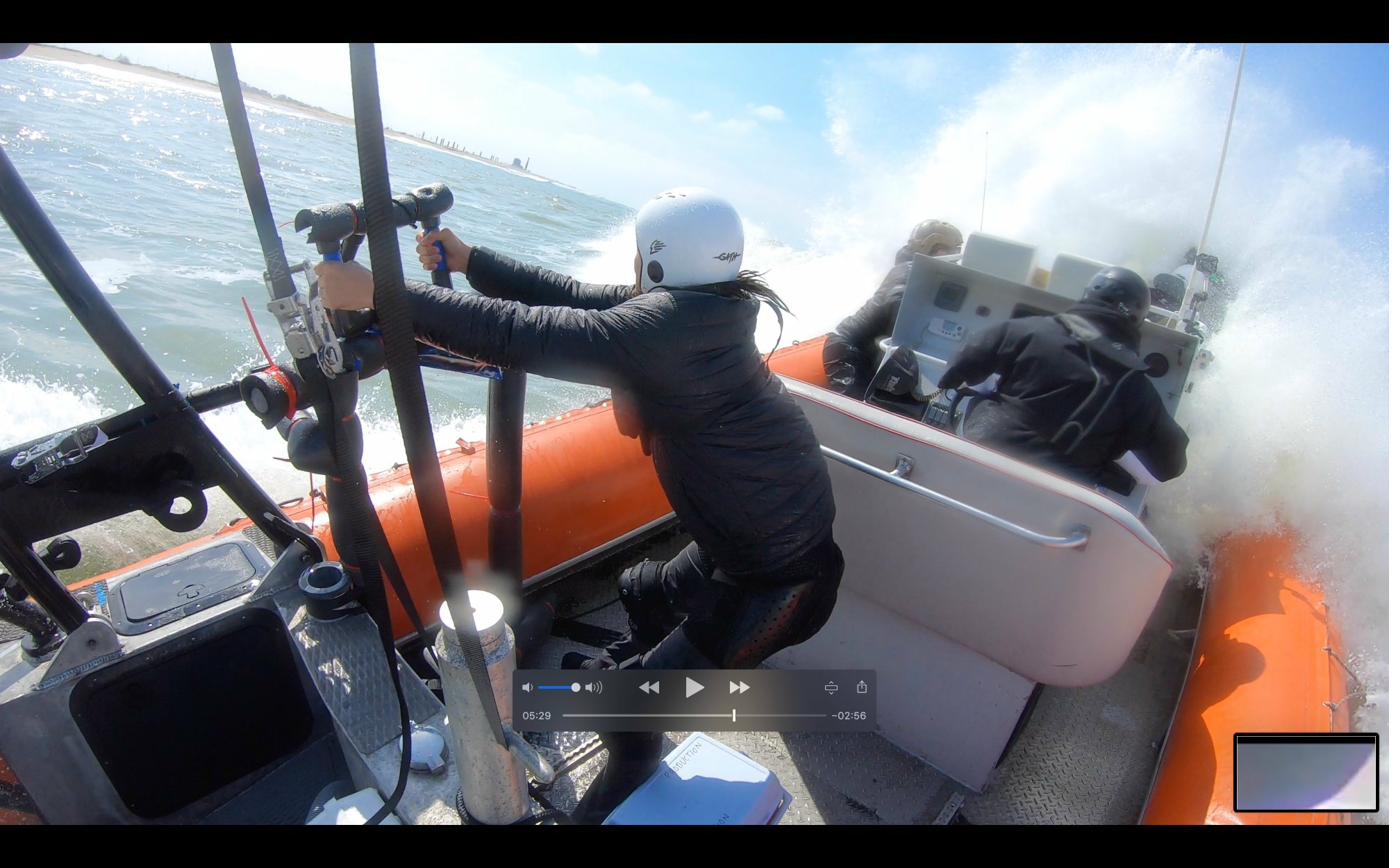
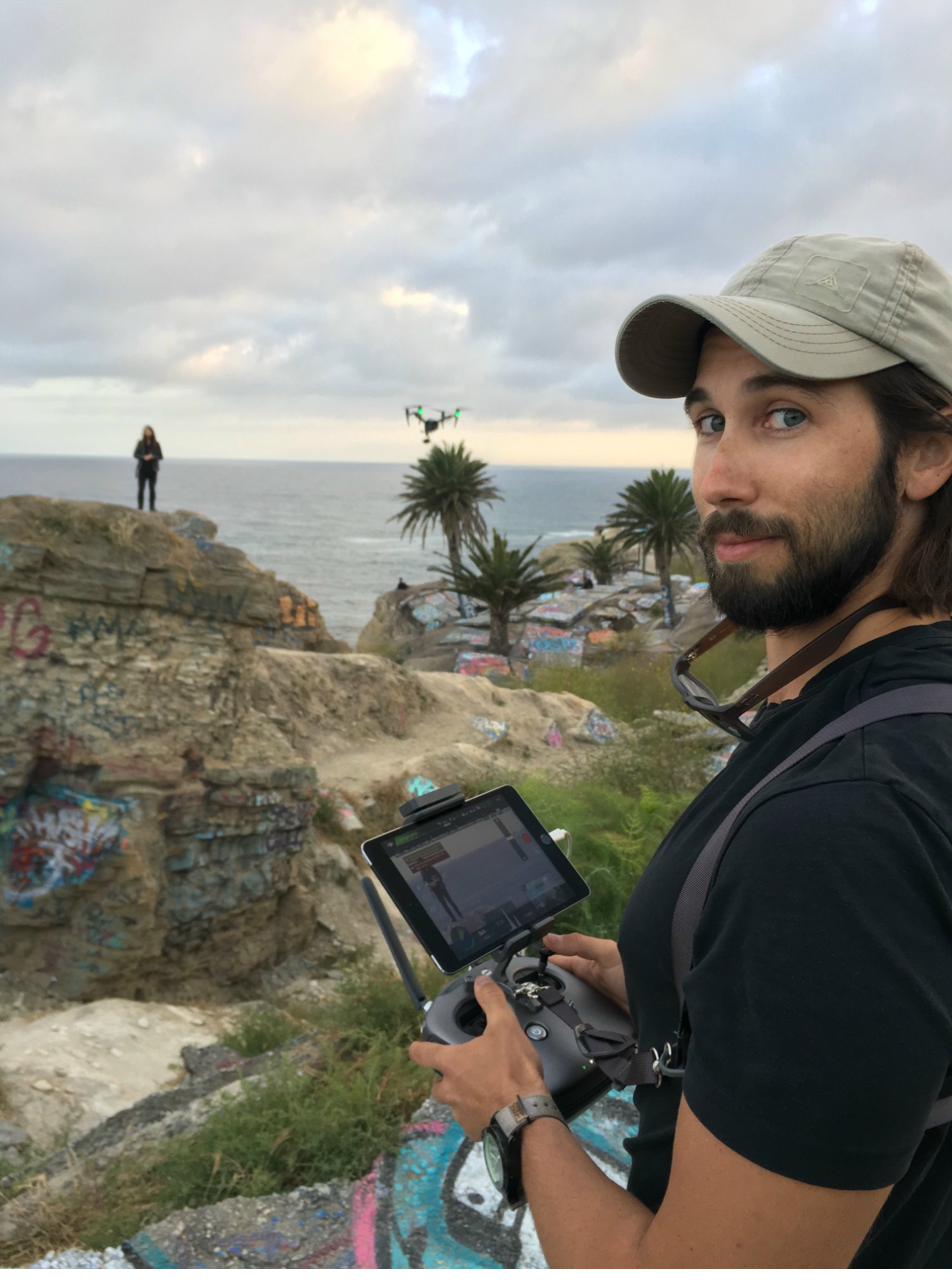
I also flew my DJI Inspire 2 for that shoot. The aerial footage and underwater GoPro work I captured ended up setting the visual standard for the kind of reference material we'd be shooting for the next three years.
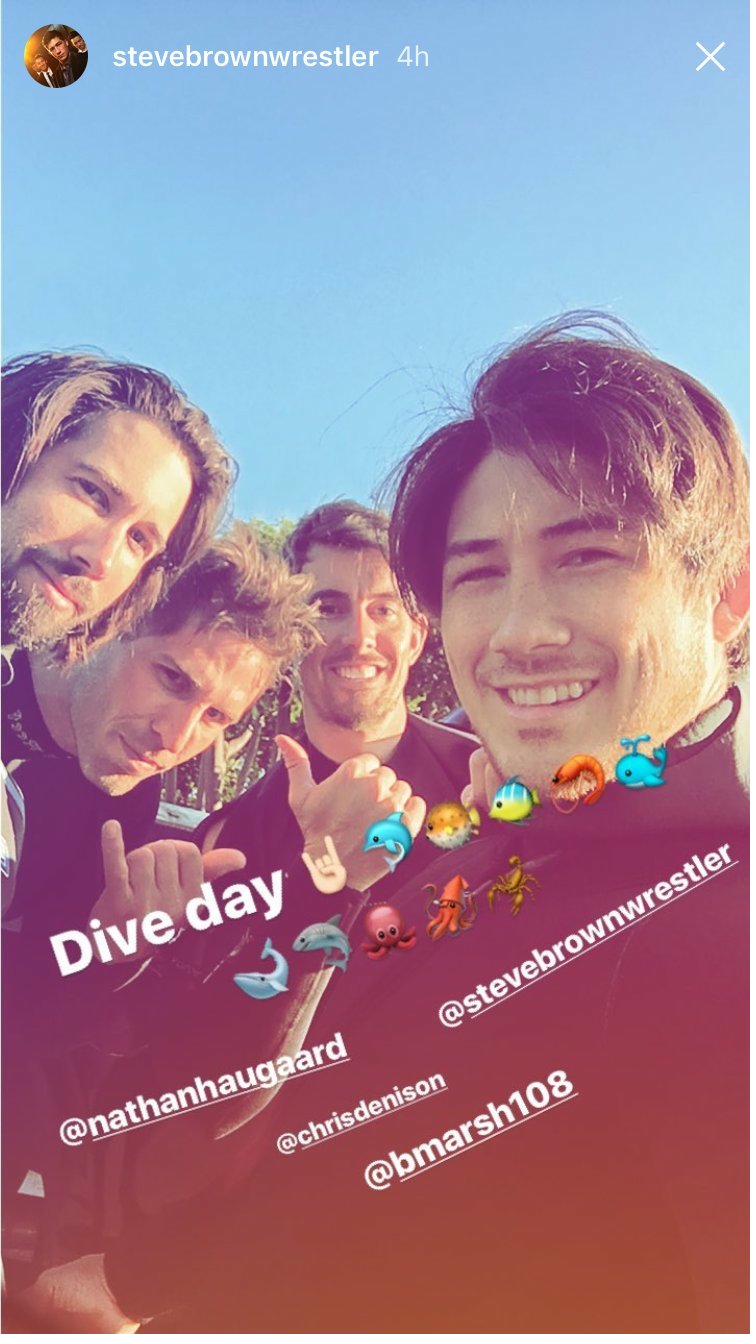
On our day off, Steve Brown — the assistant stunt coordinator — and I went SCUBA diving with sharks. That's just what you do on your weekend when you're making Avatar.
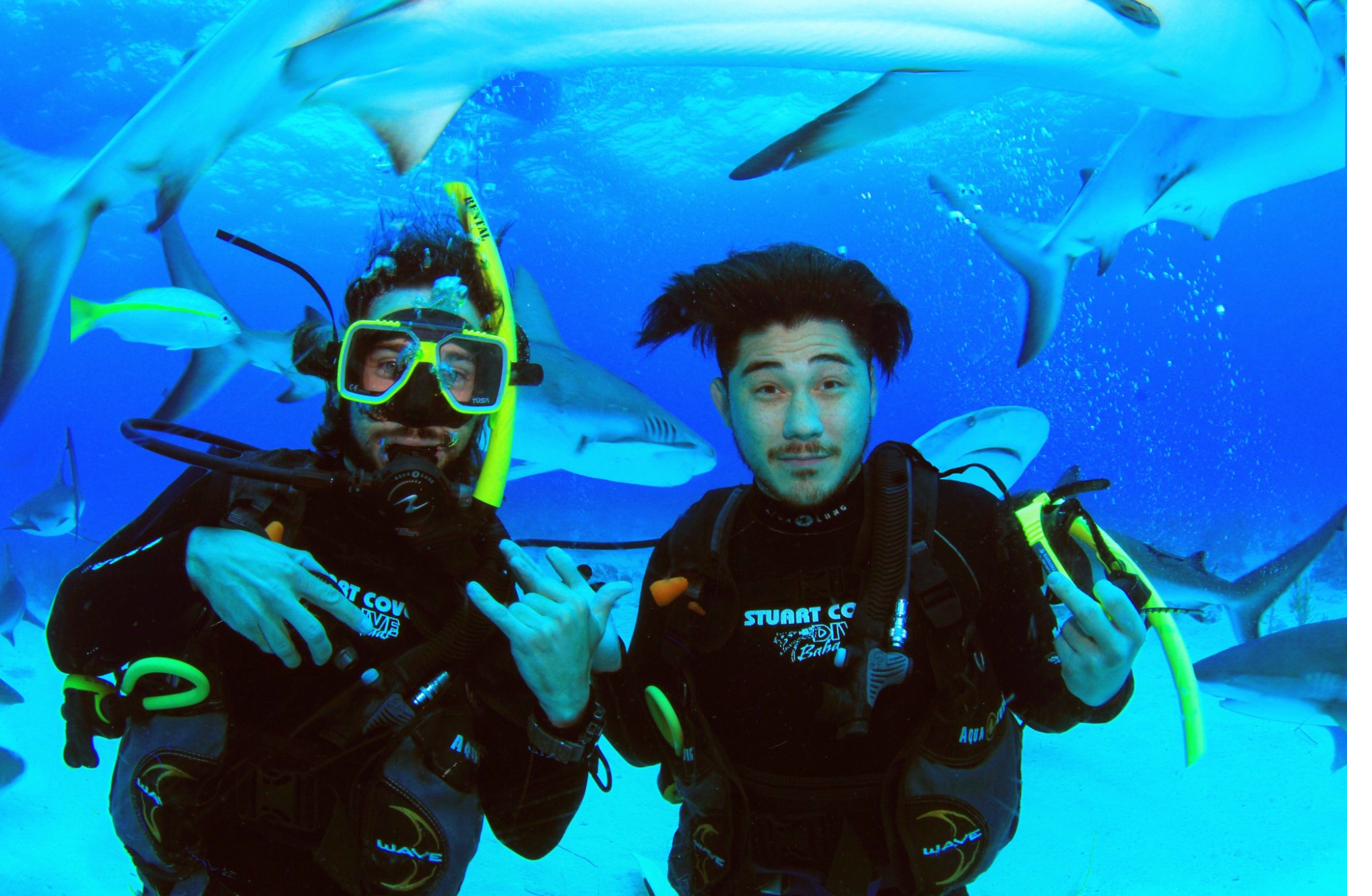
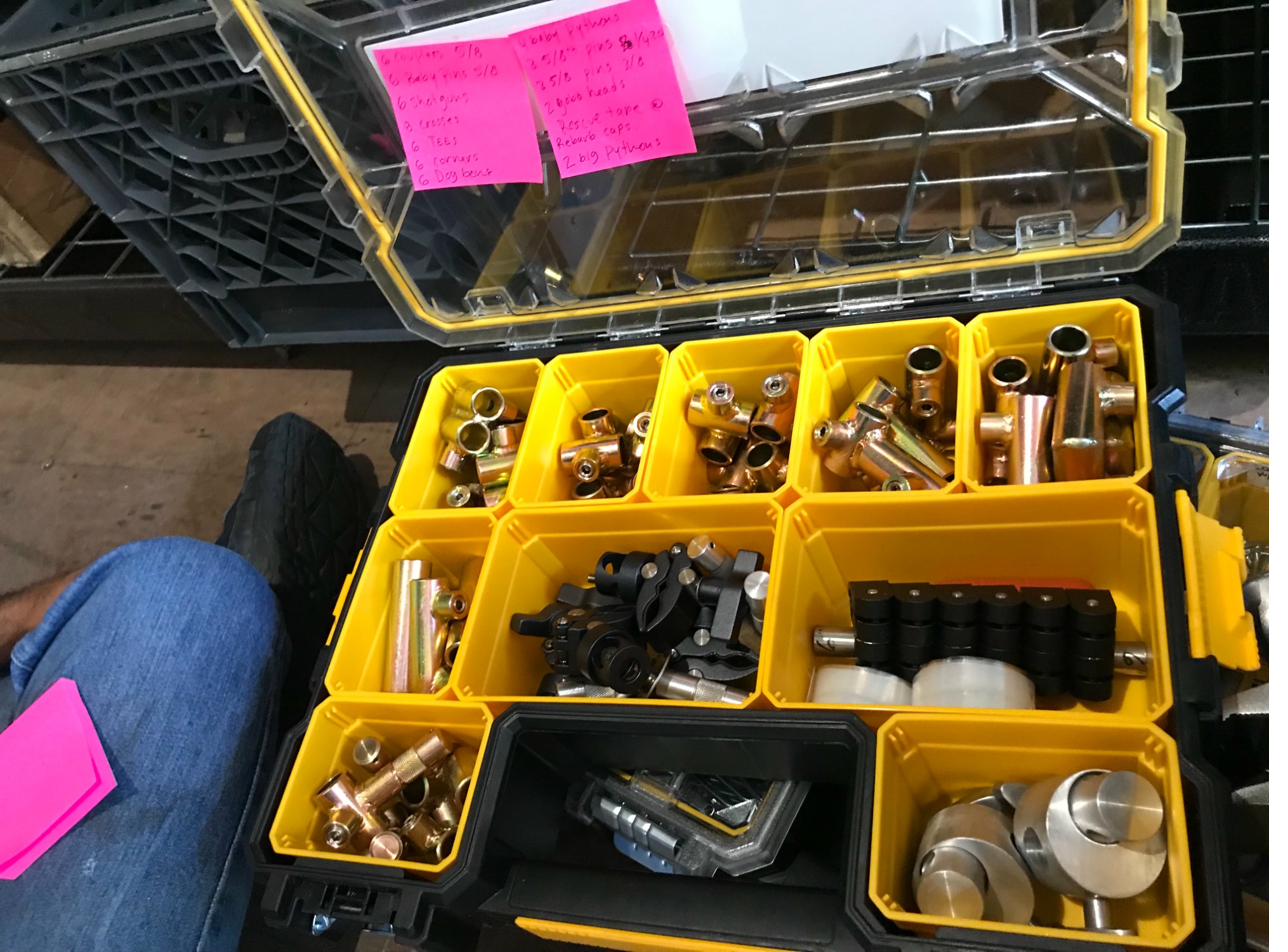
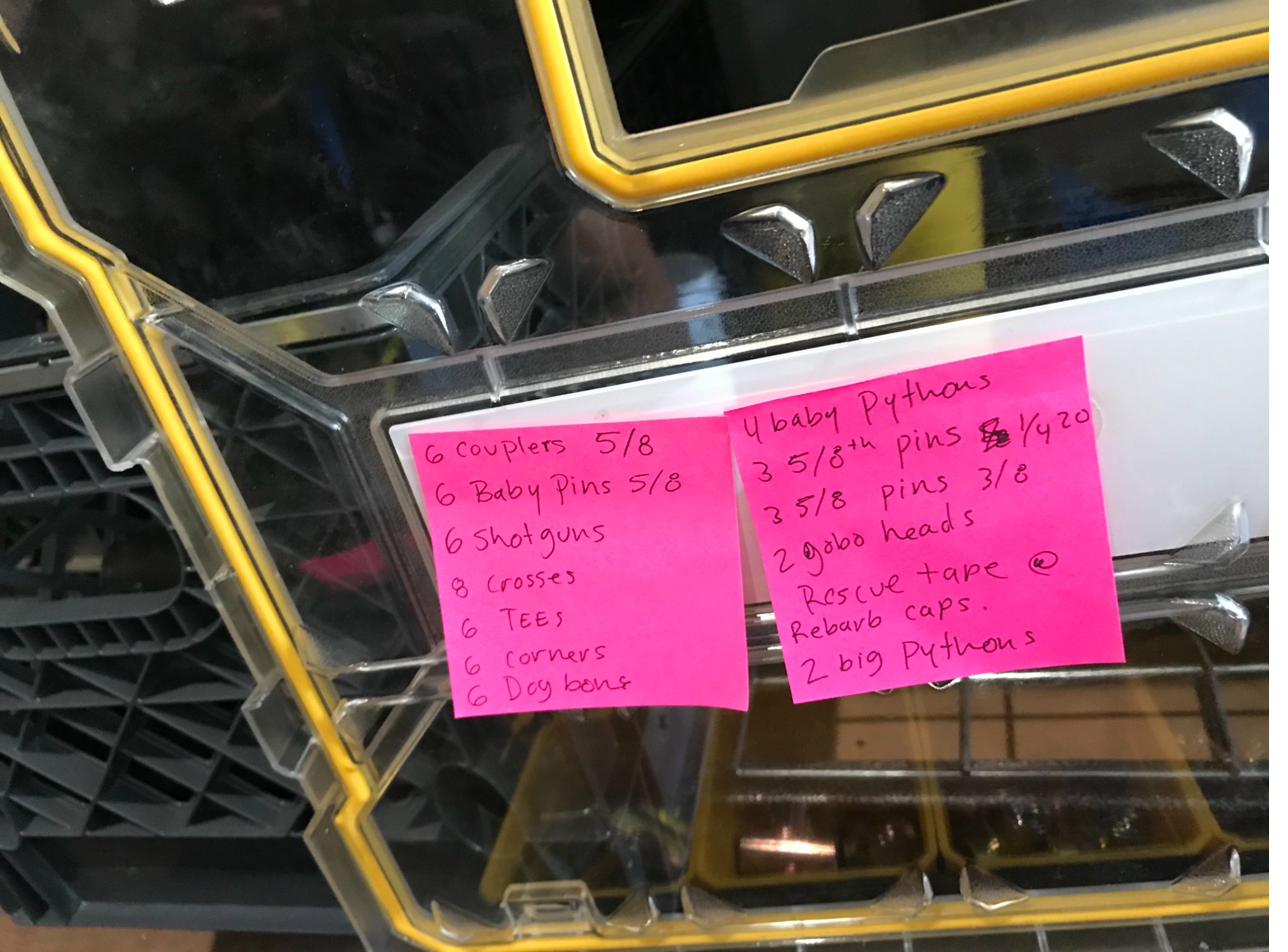
After the Bahamas we returned to Manhattan Beach Studios and spent nine weeks in pre-production before principal photography began. The real work was about to start.
Reference Camera
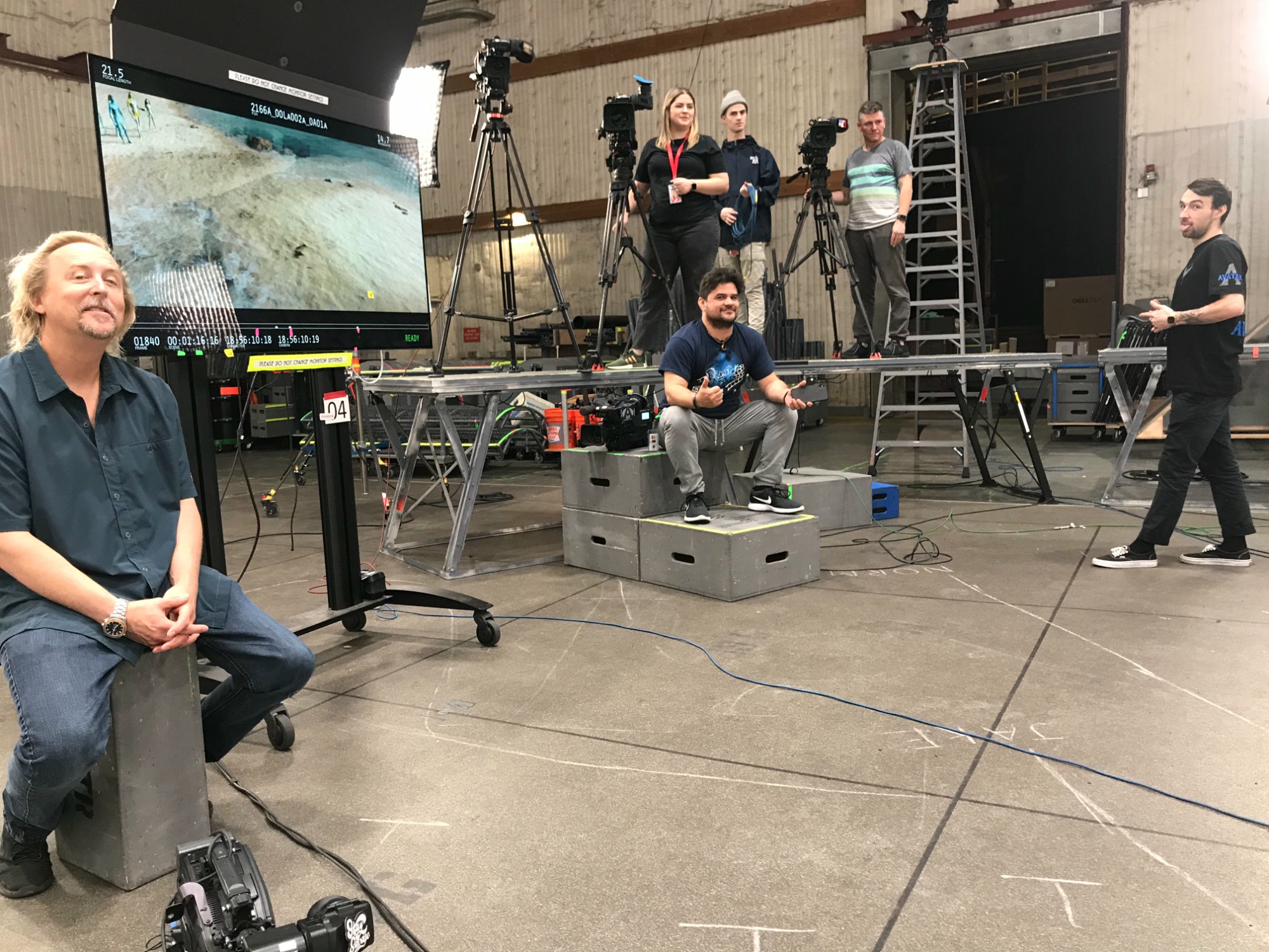
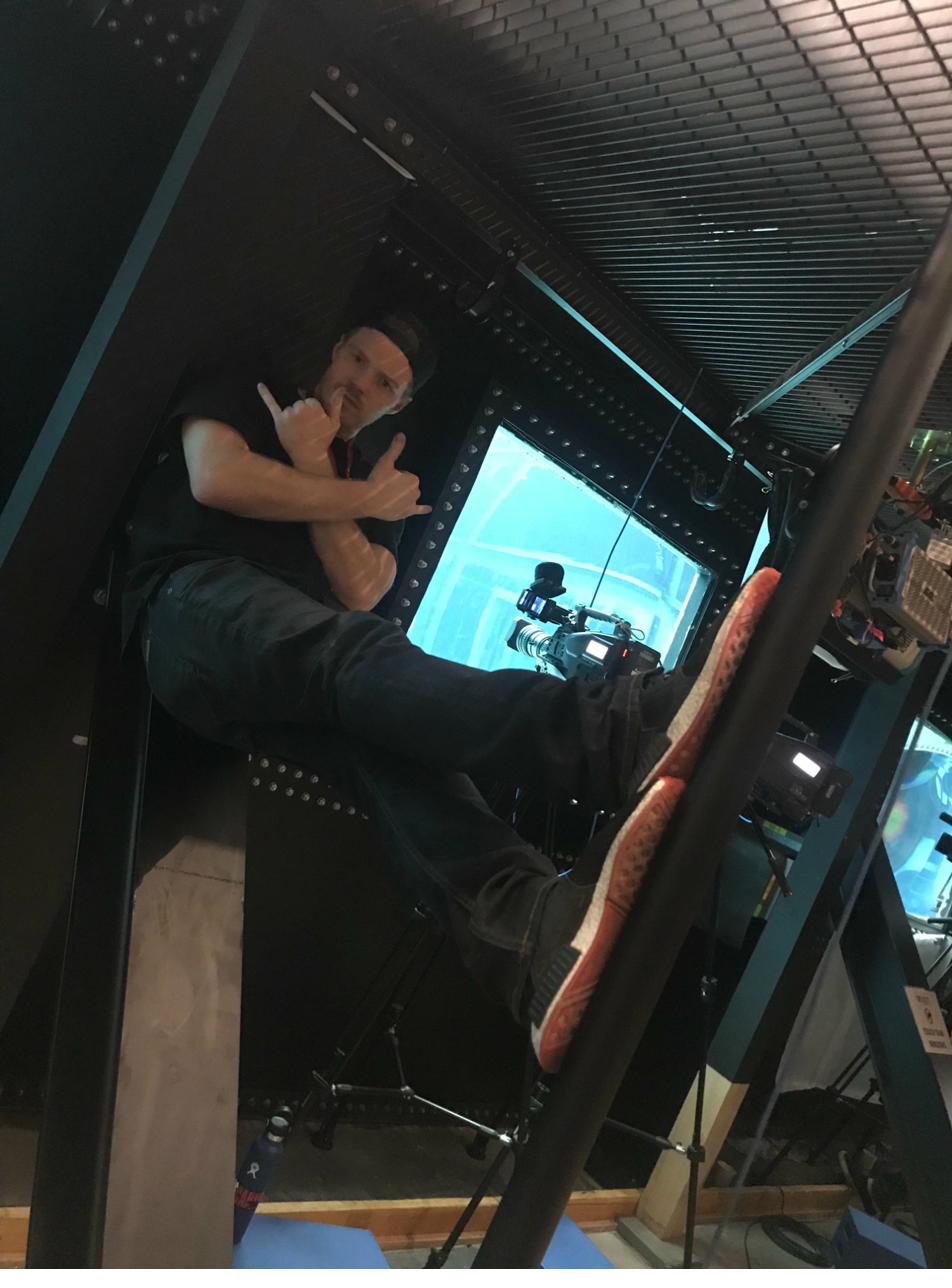
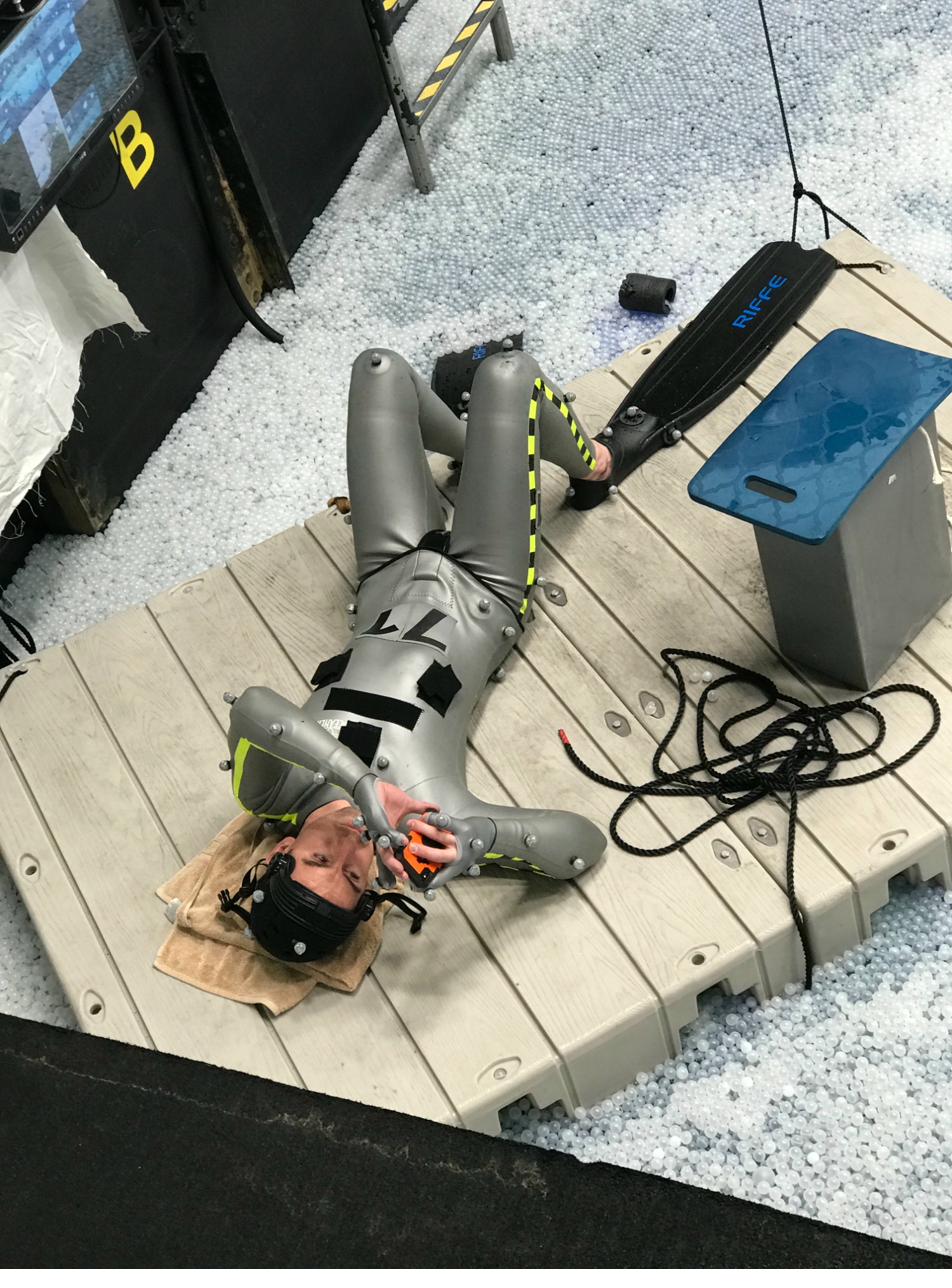
Here's what reference camera actually means: we shot the entire film, shot for shot, with the real actors doing real things. They don't look blue. The sets aren't finished. But every performance, every interaction, every emotional beat is real. Our cameras were 1080p Sony broadcast units. We never recorded to physical media — instead we patched directly into the production servers via SDI/BNC cables, genlocked and timecode synced to the performance capture system.
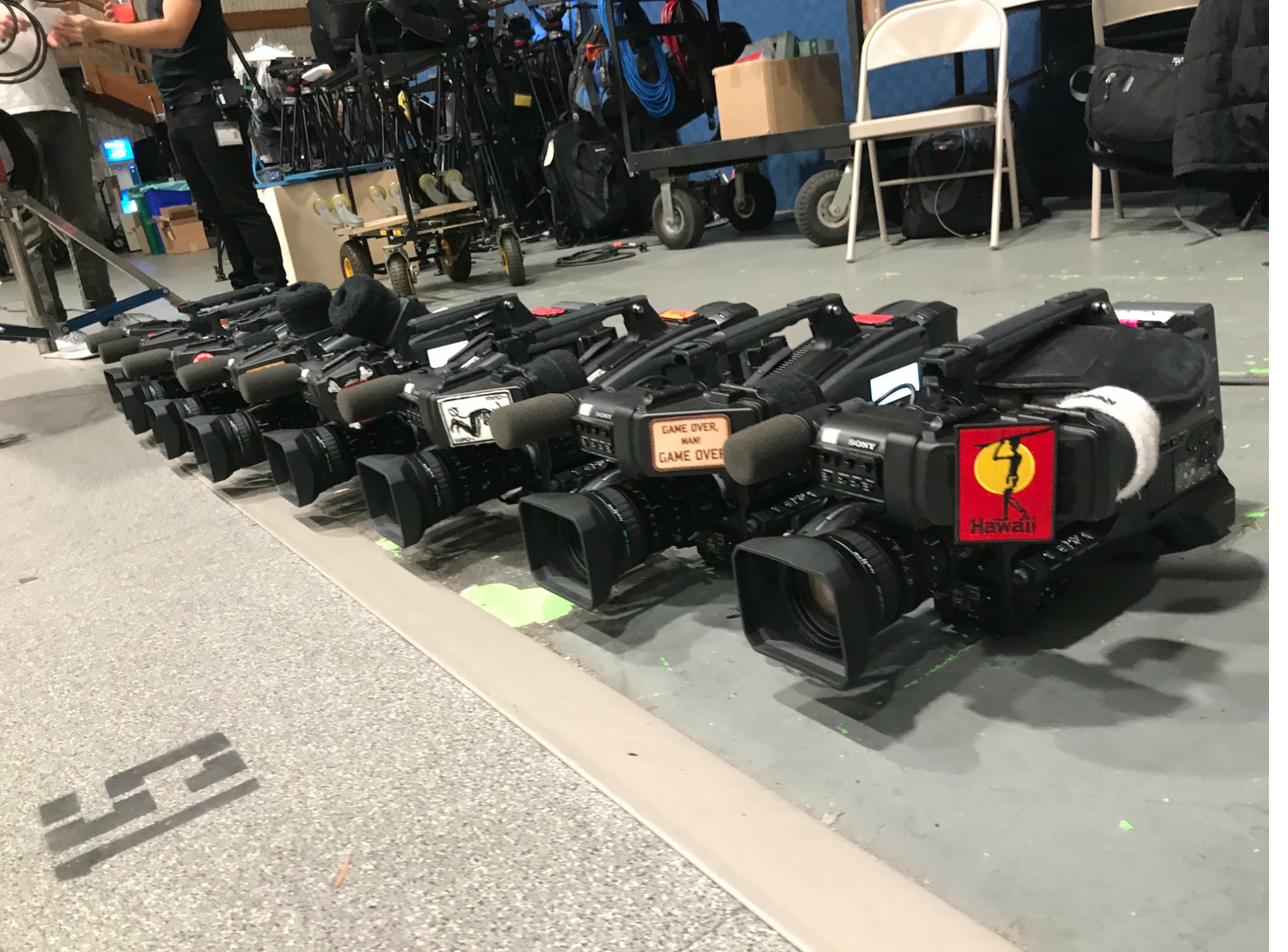
The reason they called us "Reference Camera" was to avoid paying union wages. When we were originally hired, we were brought on as camera operators. After the pre-production period, just before principal photography, we received paychecks with our titles changed. No one had been consulted. We were told we had two choices: quit, or work on the biggest movie ever made.
I chose to work on the biggest movie ever made.
A Typical Day on the Volume
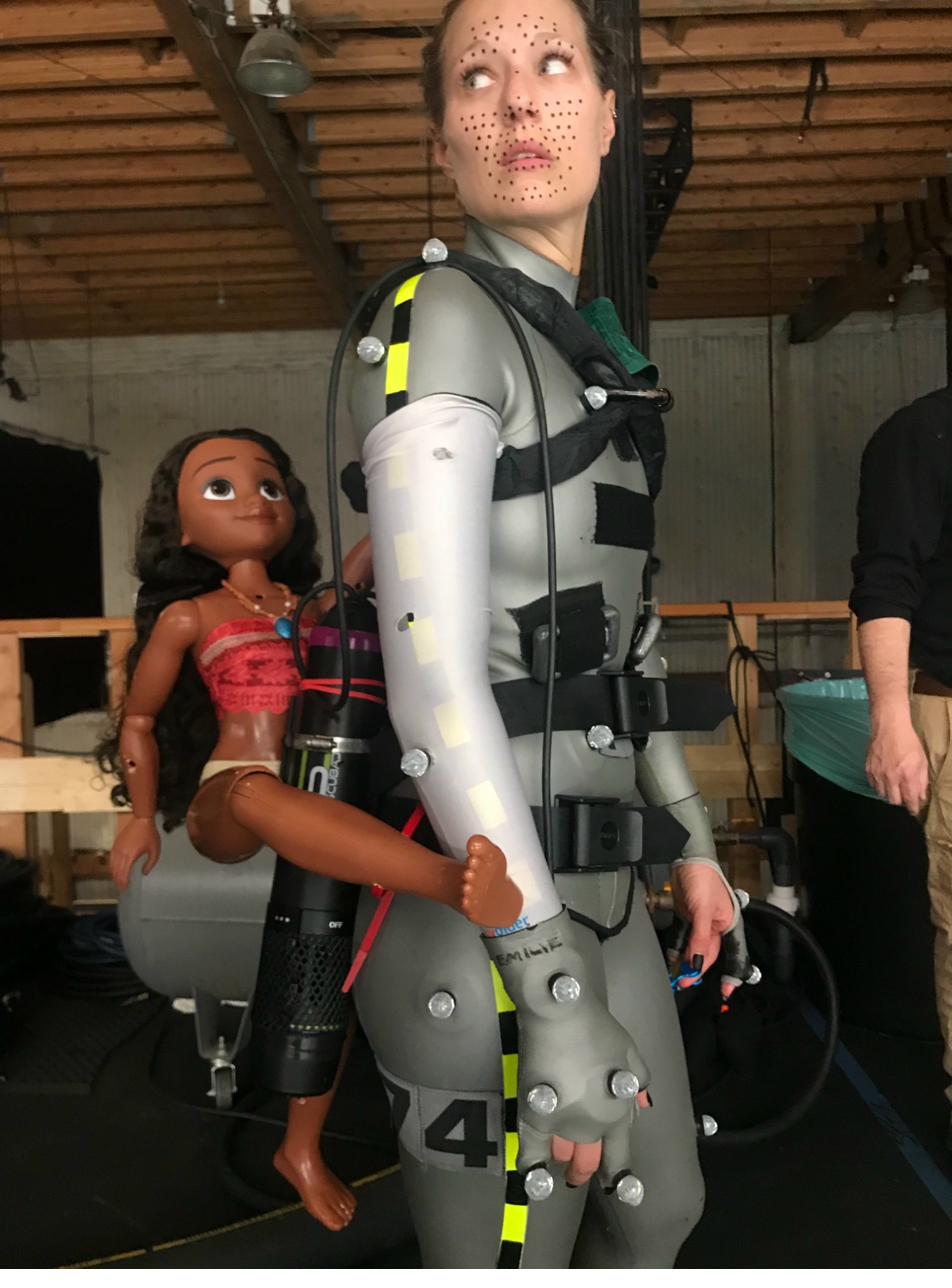
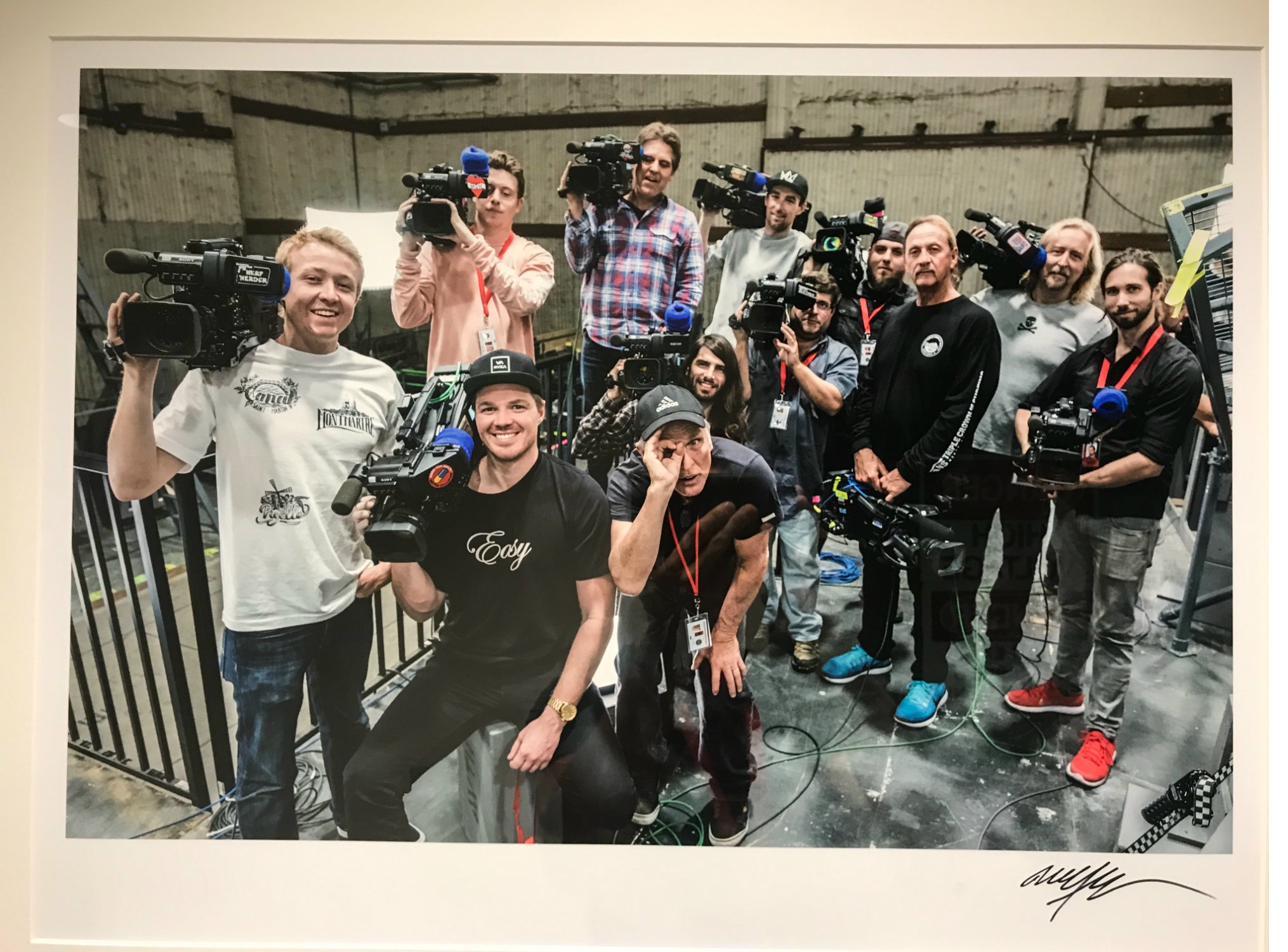
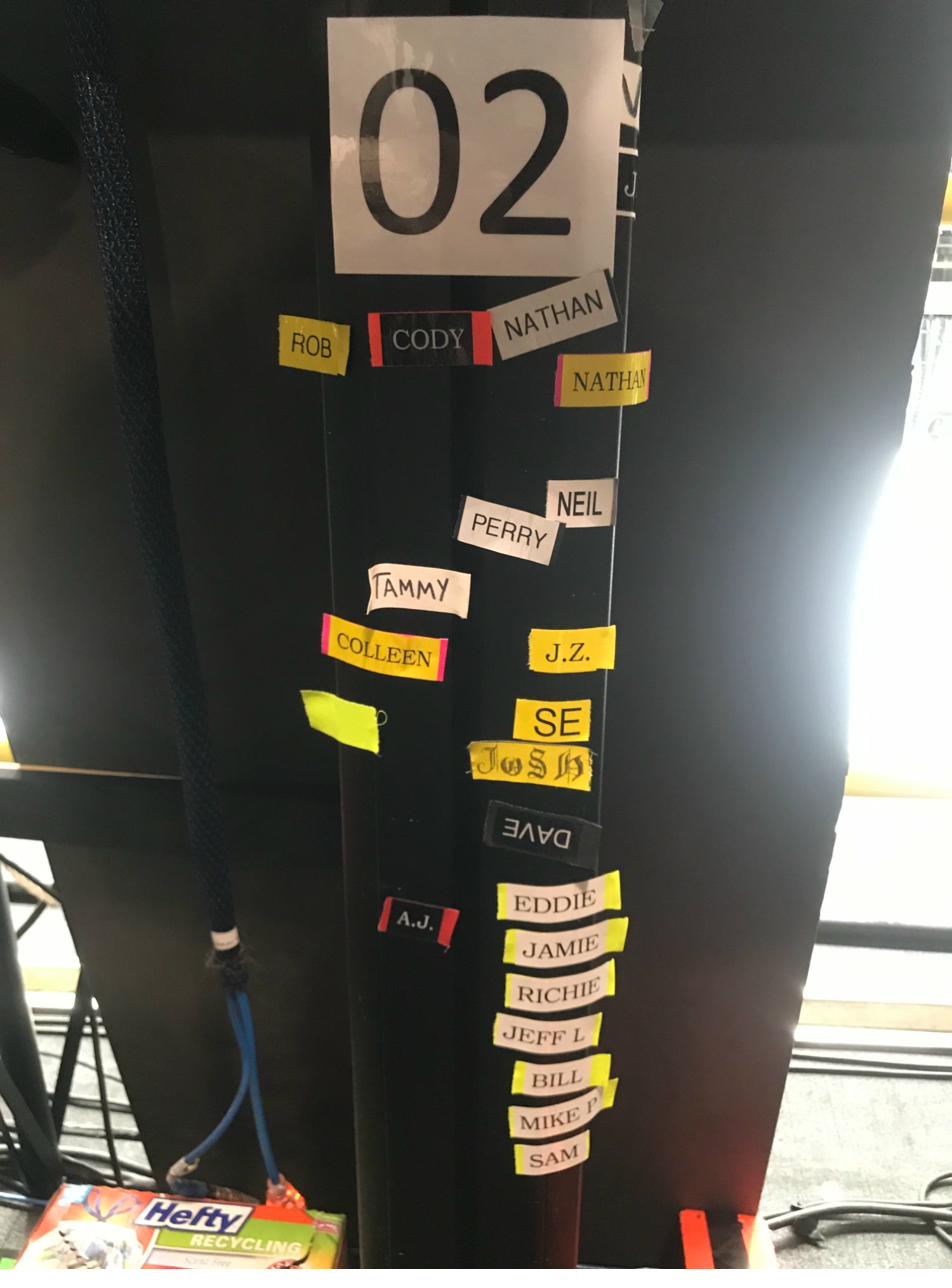
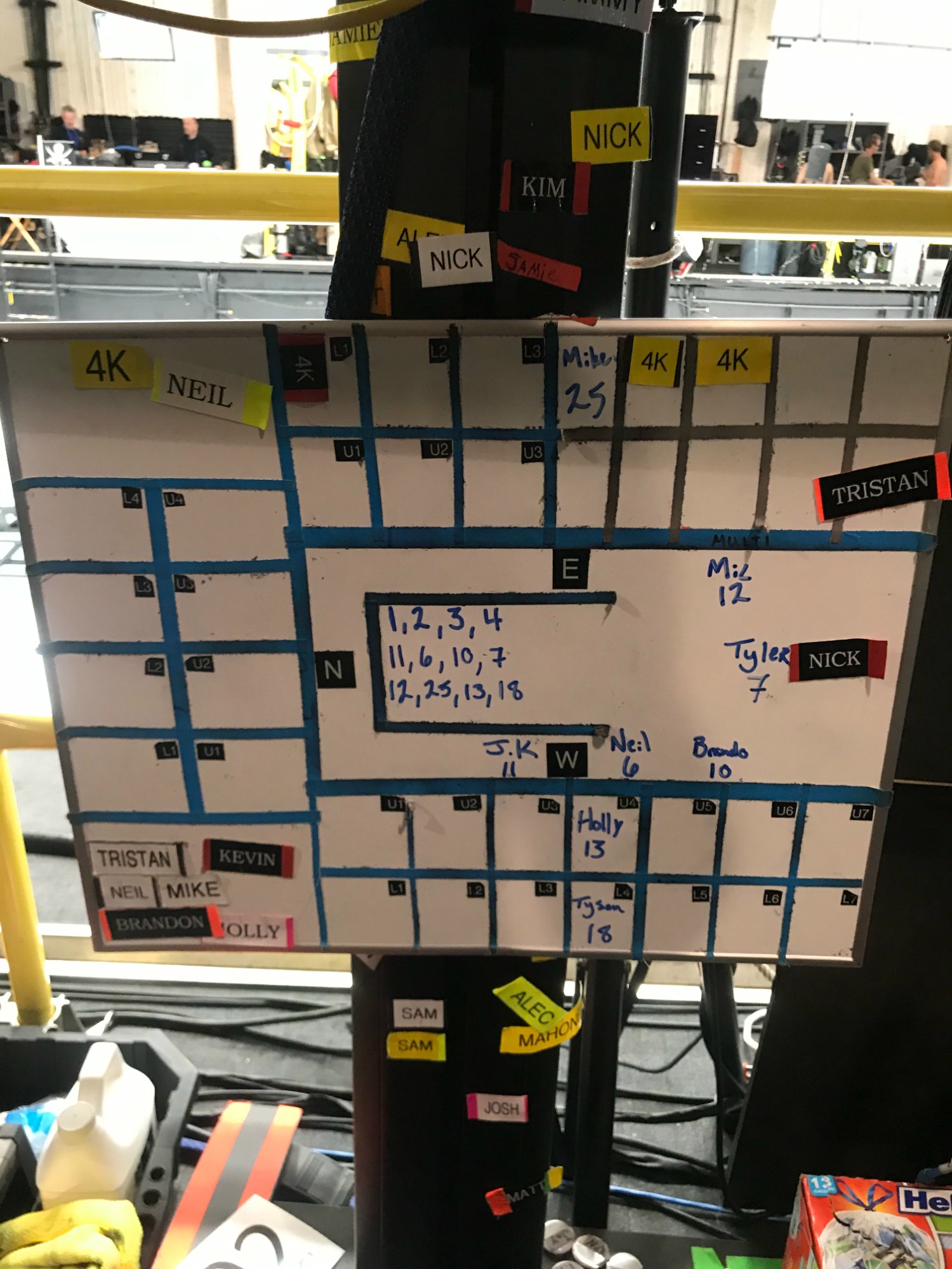
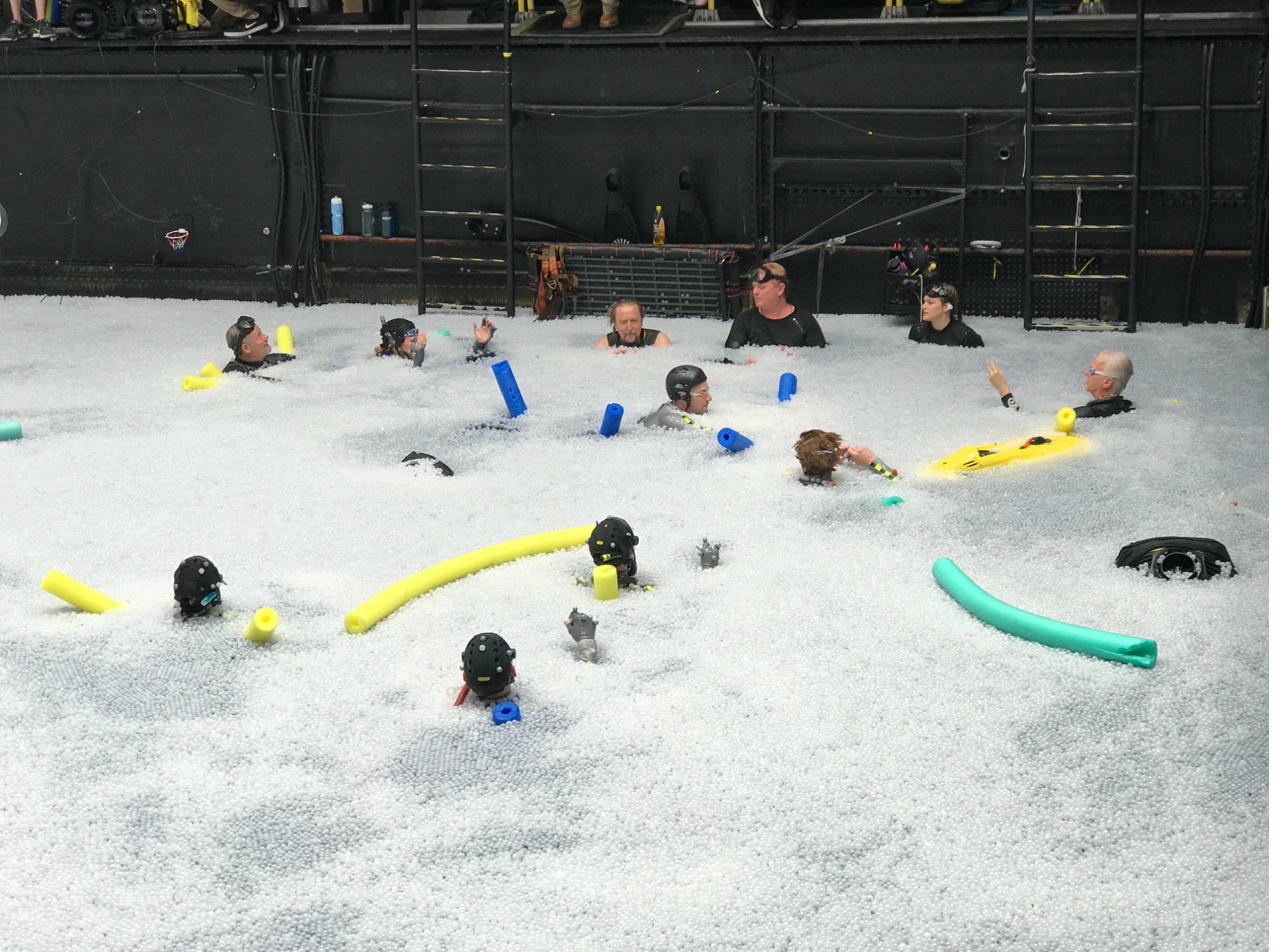
Every morning began with syncing cameras — sometimes as many as 24. Each physical camera had to calibrate to the volume, the massive performance capture space. Every real-world camera synced to every infrared motion capture camera, which synced to the computers rendering the virtual environments in real time. Once everything was linked, we'd set up for the first scene.
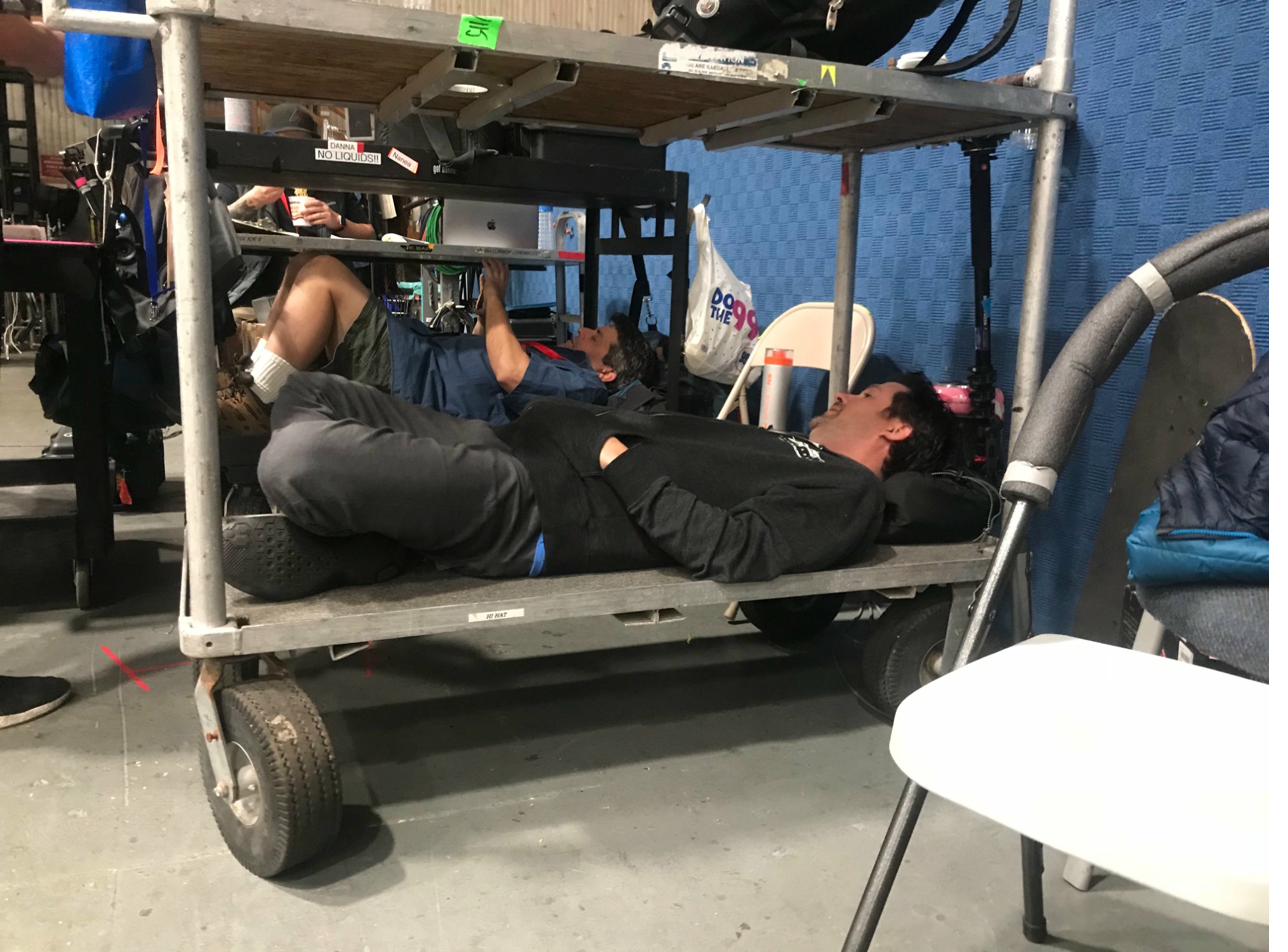
We shot movies 2, 3, 4, and 5 in a block shooting format, which meant we often didn't know which film a given scene belonged to. We shot whatever was most economical on any given day. Each operator would watch the rehearsal, study the actors' movements, then fan out across the space to cover every beat.
Cameron wanted the actors to perform as if they were in a play. Scenes ran for minutes at a time. And because reference footage wasn't the final image — because we could appear in each other's shots without consequence — we positioned ourselves to capture every conceivable angle simultaneously. Singles, overs, dirty shots, wides. All at once. The moment Jim had a performance he liked, we moved on. We never needed to turn around for coverage. We already had it.
On an average day, between 150 and 500 people were on set.
The 1.67x Problem
The single biggest technical challenge was shooting Jack Champion as Spider alongside the Na'vi characters. Spider is a human played by a human. But the actors surrounding him are humans playing Na'vi — beings roughly 1.67 times larger than a person. To solve this, we built parallel sets that ran simultaneously in real time. Jack performed on one set at normal scale. The Na'vi actors performed on an identical set built at 1:1.67, making them appear proportionally larger.
Nobody had ever attempted real-time parallel scaling before. That innovation is one of the reasons the Avatar visual effects team has now won two Academy Awards.
James Cameron
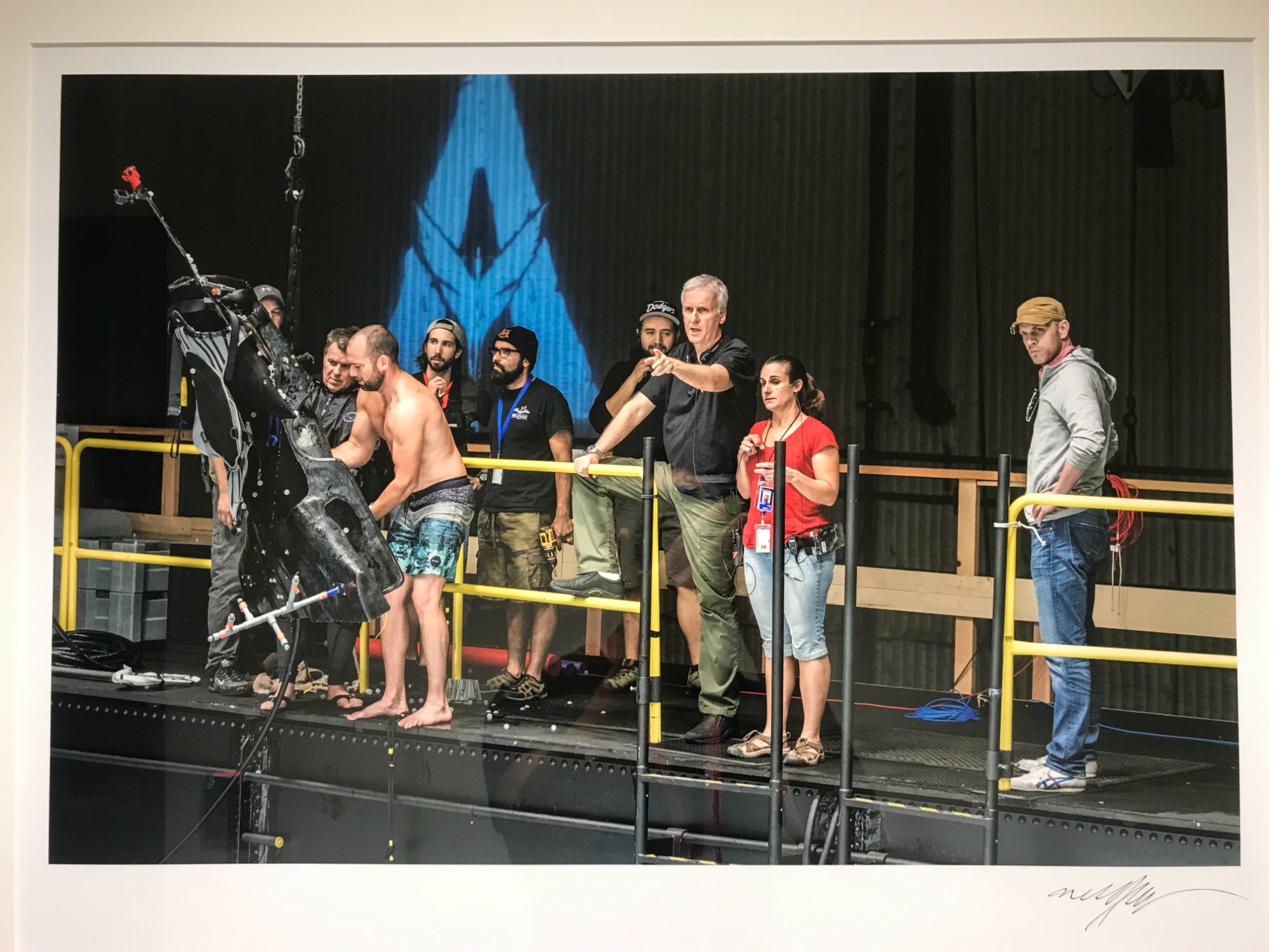
James Cameron is one of the most remarkable human beings I've ever worked for. He knows more about more things than anyone on any set I've been on — before or since. He is demanding in the way that only someone who has personally mastered every department can be. Brilliant. Hilarious. Relentless in a way that redefines the word. He doesn't just direct a film. He builds the conditions for something extraordinary and then refuses to stop until he finds it.
- I jump out of helicopters on occasion
- There's a million ways to do it, including mine
- This is a Mongolian Cluster-Fuck
- I didn't get the memo — and by the way, I don't get memos. I GIVE memos!
- This is a family, not a democracy
- Do what I need, not what I say!
- There's no time to do it right but there's always time to do it again
- I feel a take coming on — the sun is over the yardarm
- Not bad for a bunch of guys in leotards
- There's a razor thin line between shit and art
- It's a work of art — we paint in blood and bad intentions
- Nice dying guys, good high quality dying
- Don't fuck with perfection!
- My motto is: too much is not enough
- No work of art is finished, only abandoned
- Trust is not an emotion I happen to possess, so I'm gonna check the playback
- I love your enthusiasm, truly impressive... but don't do it again
- Now we're making a fucking action movie!
- Next time someone complains about something being hard, they're fucking fired!!!
- What, you can't read my mind? What the fuck is wrong with you!?
- Well when you direct your movie you can do it the way you want! But until then, I want it on a fucking fishing pole with about 4 ft of line!
- I don't hire someone to fuck my wife and I don't hire someone to direct my movie!
The Monitor
This is my favorite story from Avatar. It's the one I tell when someone at a party asks what it was like to work with James Cameron.
We were shooting a scene from Fire and Ash where Quaritch delivers a captured Jake to the citadel. Jake is paraded down a long corridor of onlookers. Quaritch watches him walk away. Cameron's rule for coverage was absolute: every actor's face must be captured at all times. Any look, any glance, had to be on camera somewhere.
I watched the blocking carefully. There was a moment — subtle, easy to miss — where Sam Worthington looked back over his shoulder toward Stephen Lang. Every other camera operator tracked Sam's face as he walked away. All 23 cameras followed the front of his head. Nobody anticipated the look-back.
So I grabbed my camera, ran down next to Stephen Lang, and set up.
For five takes, I filmed the back of Sam Worthington's head.
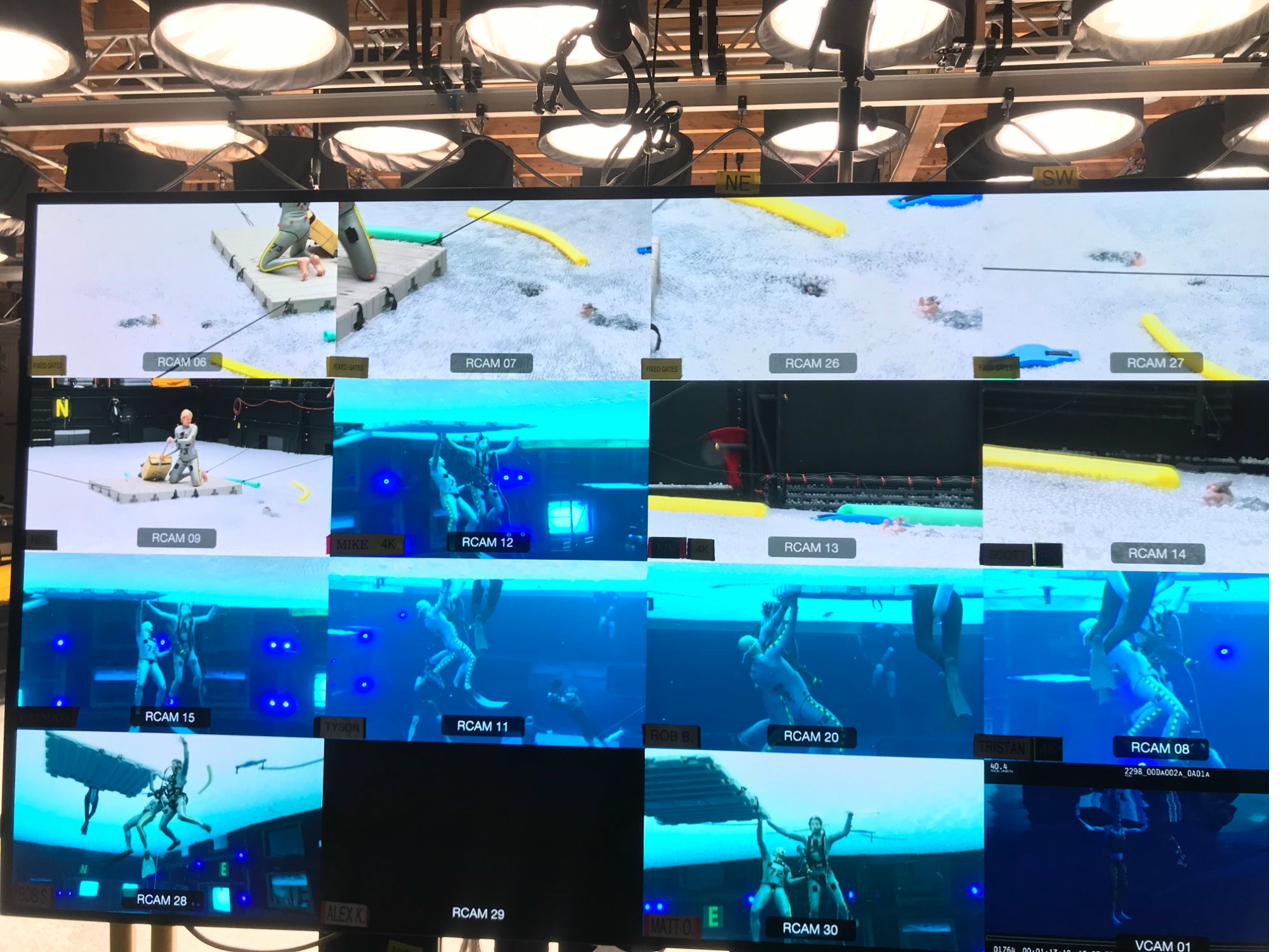
After the fifth take, Jim called for playback. The monitor was a massive 55-inch 4K screen displaying every operator's feed alongside their name. Cameron's voice cut across the stage.
NATHAN.
I ran to the monitor. The crew parted. Jim was standing there, visibly irritated, his finger pressed hard against the screen — on my image. Twenty-three feeds showed Sam Worthington's face from every angle. One feed — mine — showed the back of his head.
"What the fuck is this?"
If you keep watching, I said, I think you'll understand.
He held my gaze. Didn't blink. Out of the corner of his mouth — PLAYBACK — and he turned back to the screen.
The footage rolled. And then it happened. Sam turned. One camera had the close-up. Mine.
PAUSE.
Jim studied the screen. Twenty-three cameras now showing the back of Sam's head. One showing the shot. He turned to me.
My heart was pounding. I didn't have words. So I shrugged. And grinned.
We got back to work. Jim liked me from then on.
The World of Avatar
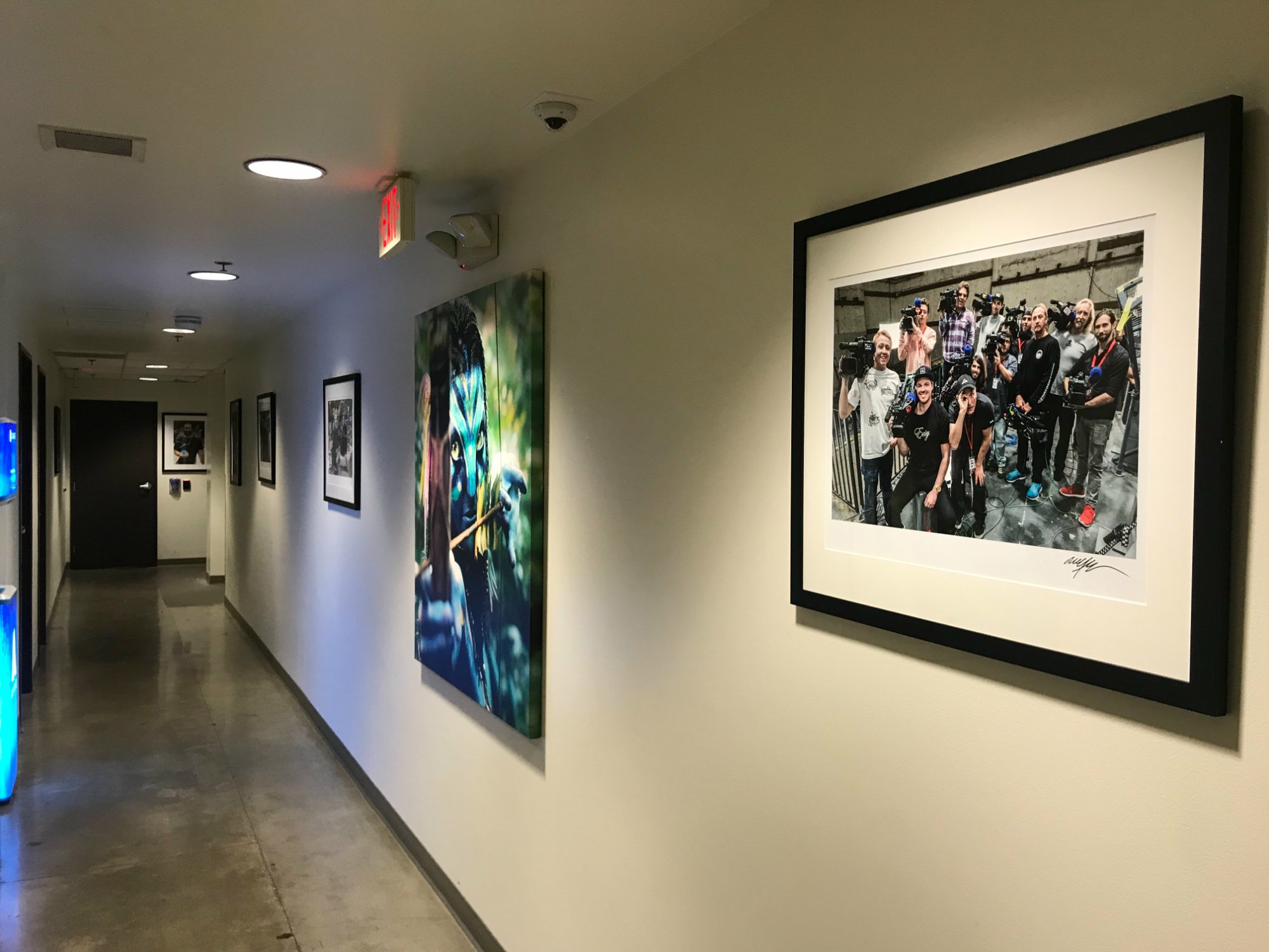
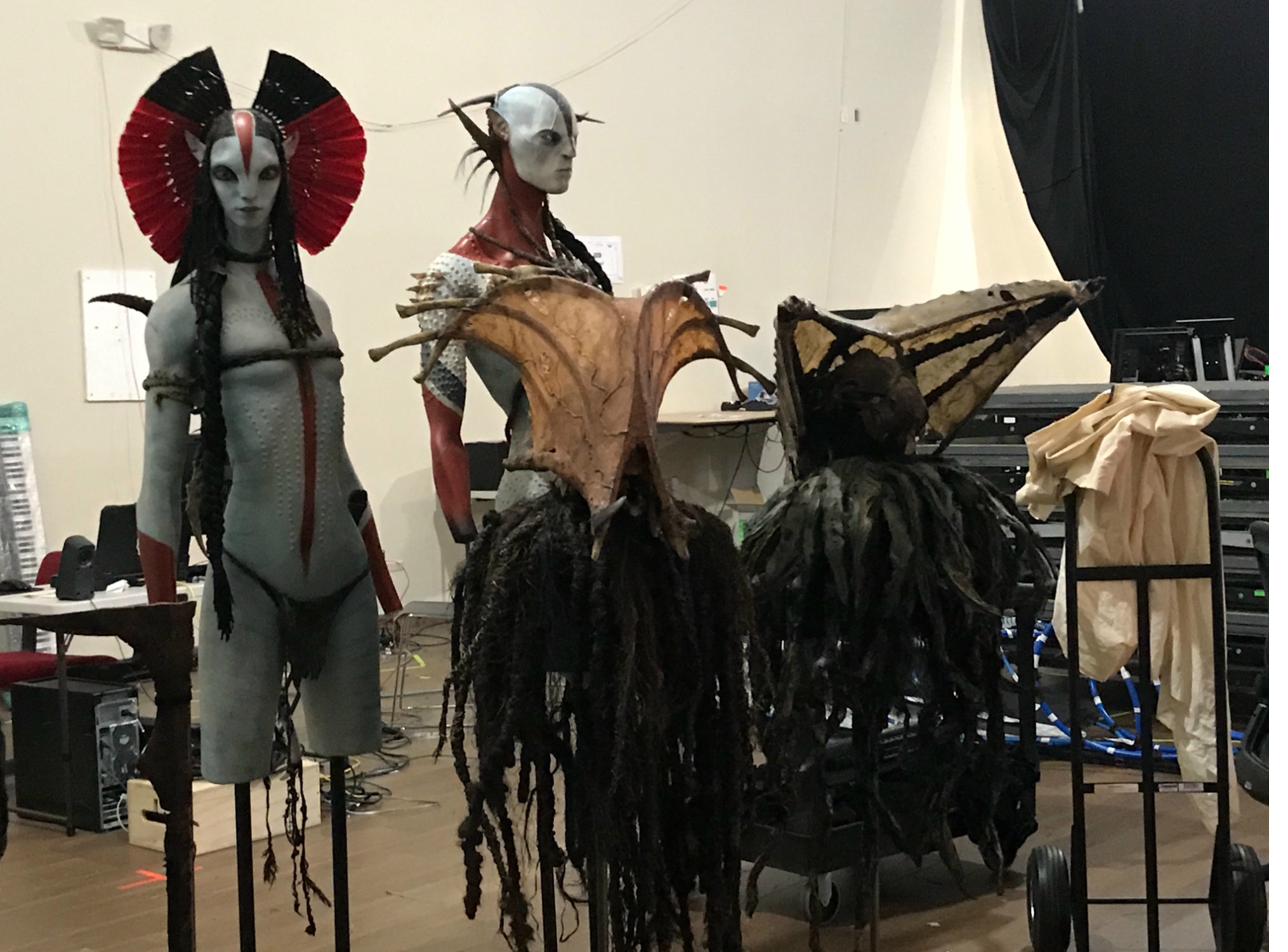
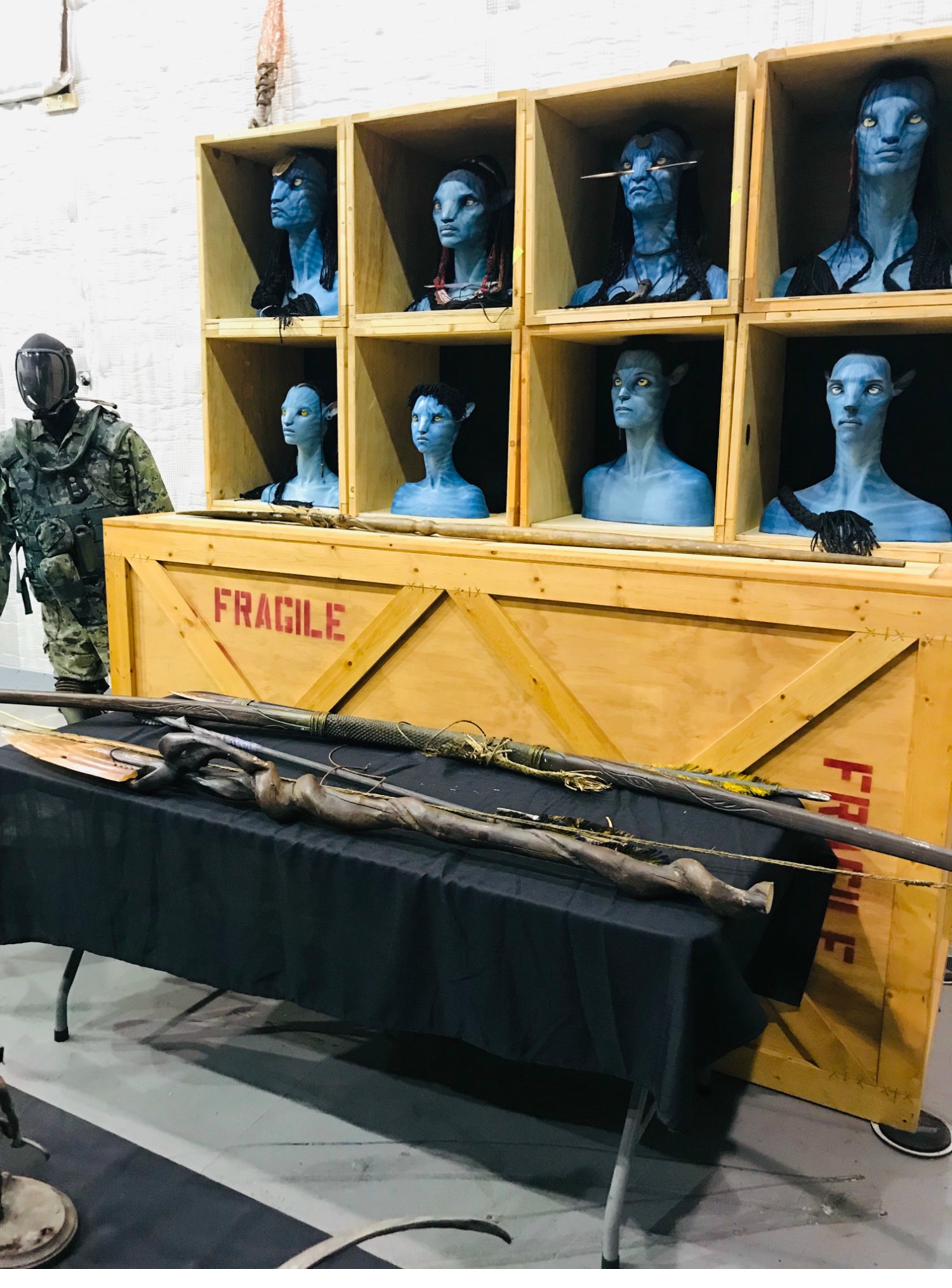
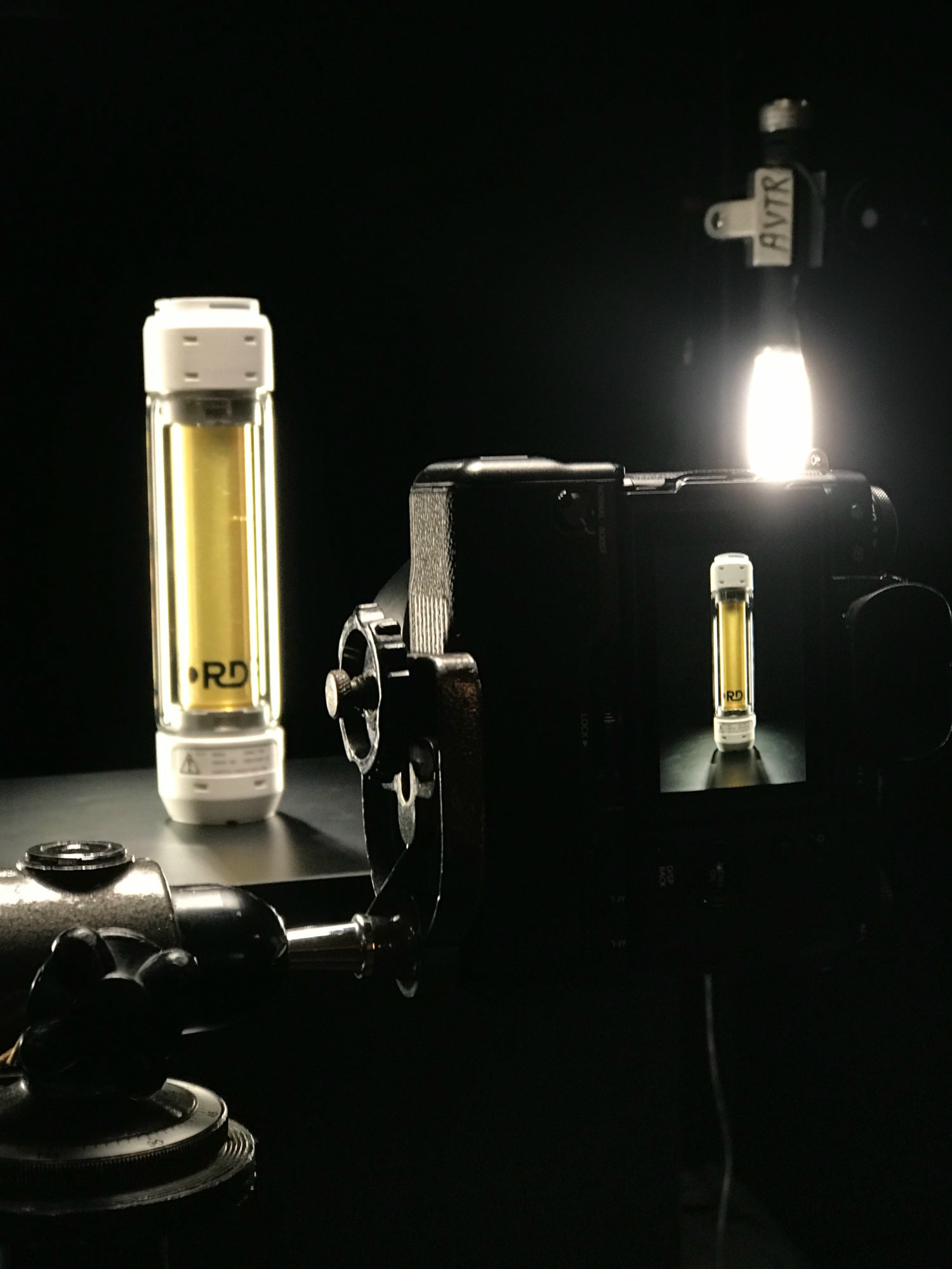
Beyond performance capture, there was an entire physical world being constructed around us at all times. Full-scale Na'vi costumes, weapons, character busts — every piece built with obsessive craftsmanship. I was assigned to photograph the real props for reference documentation, which meant I got to spend hours studying the artistry up close. The level of detail in objects that would never appear on screen in their physical form was staggering. Cameron doesn't build a world halfway.
What Avatar Taught Me
The biggest lesson I took from Avatar is that it's not just okay to be aggressively curious about everything — it's required. Jim knows more about marine biology, aerospace engineering, virtual cinematography, and indigenous culture than most specialists in those fields. For years I'd felt almost apologetic about having strong opinions across a wide range of topics. Cameron put that instinct to rest. To be a filmmaker is to be professionally curious. You don't need to be right about everything. But you need to engage with everything. You need to have a point of view.
I also learned that failure isn't something to avoid — it's a tool. Jim would reshoot a scene twenty times because it wasn't there yet. I don't always have the budget for that. But the principle holds: don't settle. Don't pretend something works when it doesn't. Keep pursuing a better version until the project itself has to be abandoned.
I approach every project like it's Avatar now. More money doesn't make filmmaking easier — it just changes the shape of the problems. What matters is the people. Hire problem solvers. That's all we ever were on Avatar. Problem solvers with cameras.
He was right. I have a degree in filmmaking from James Cameron. And I'm proud of every hour I spent earning it.
Three Years
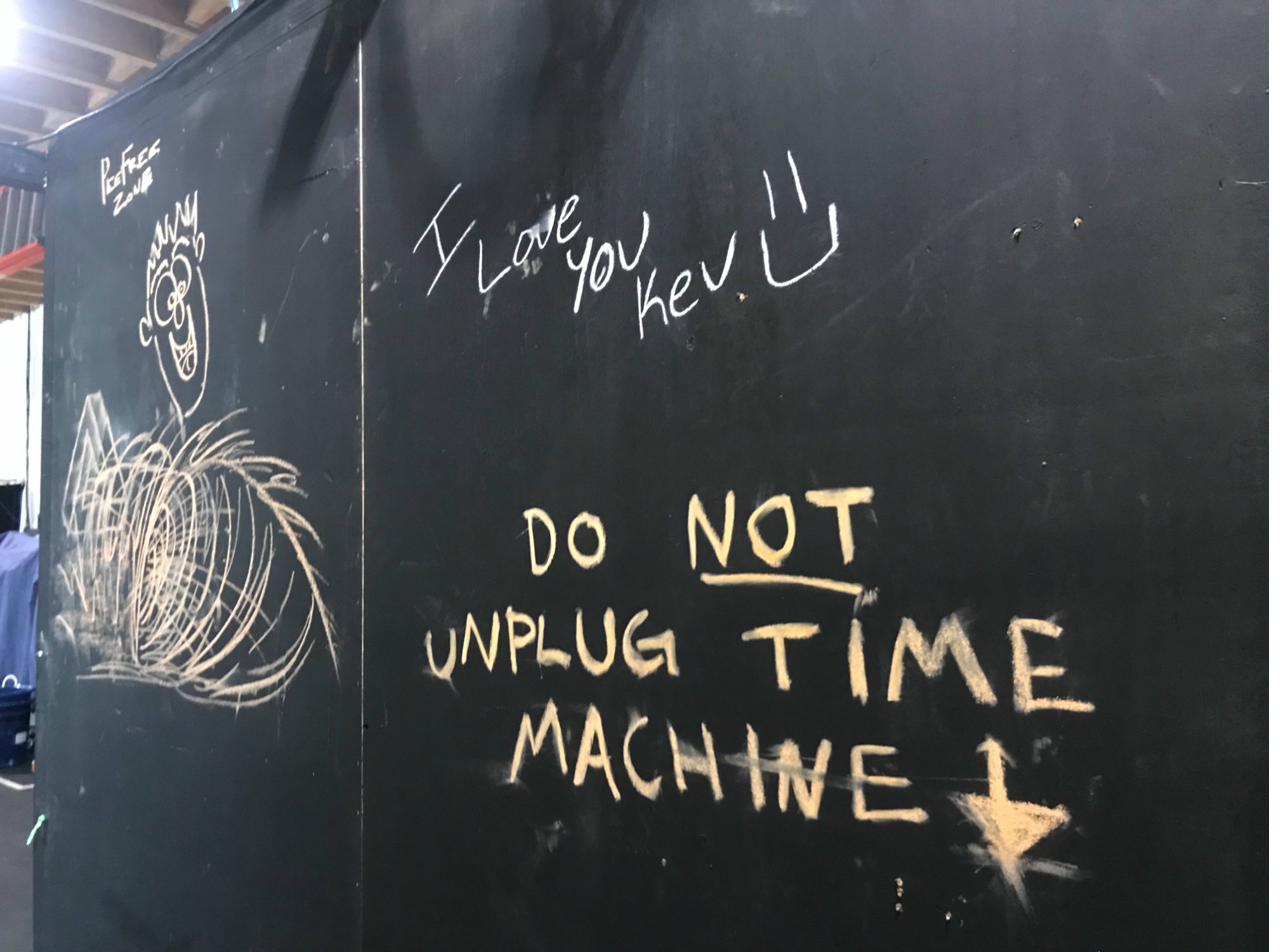
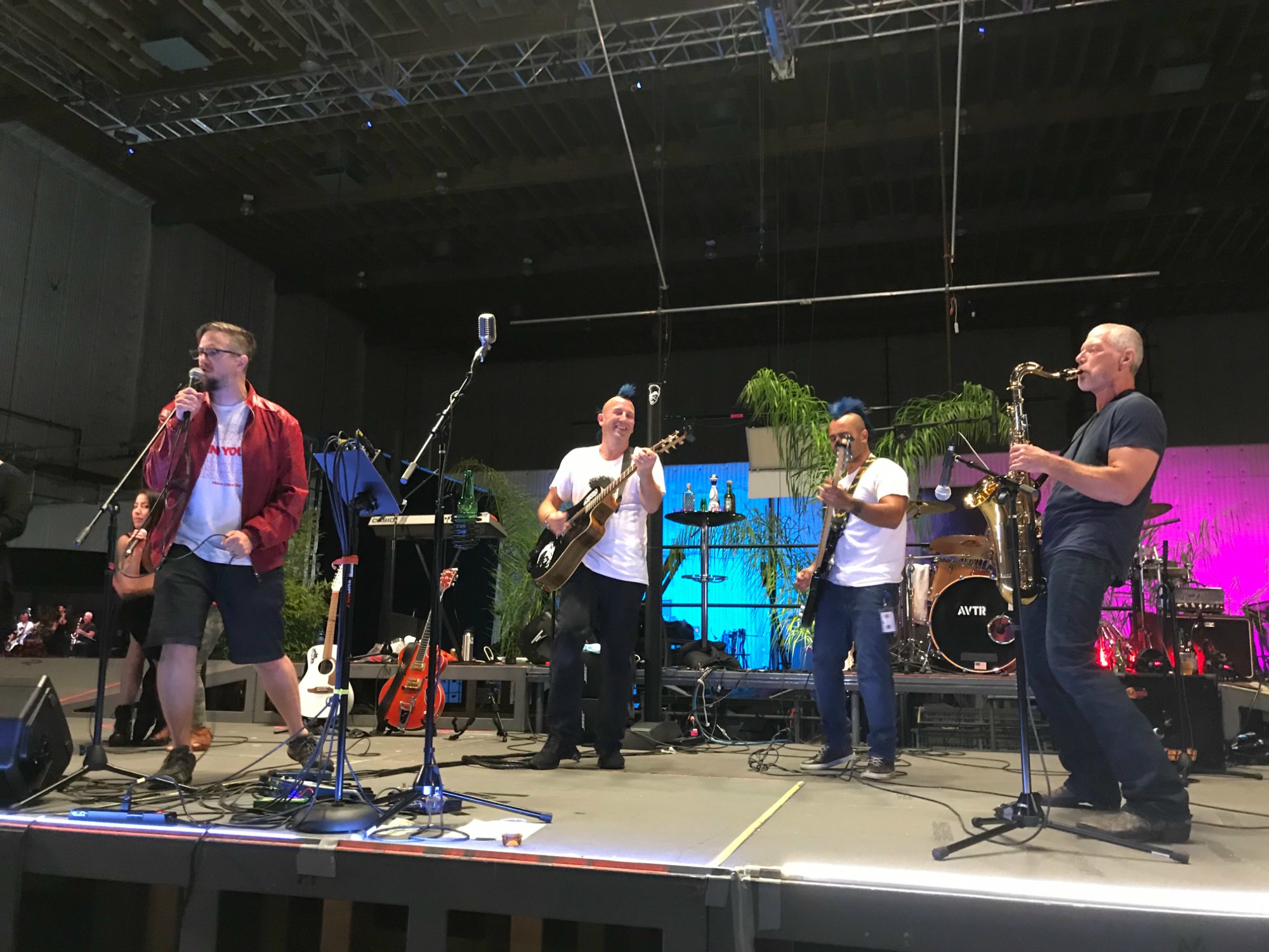
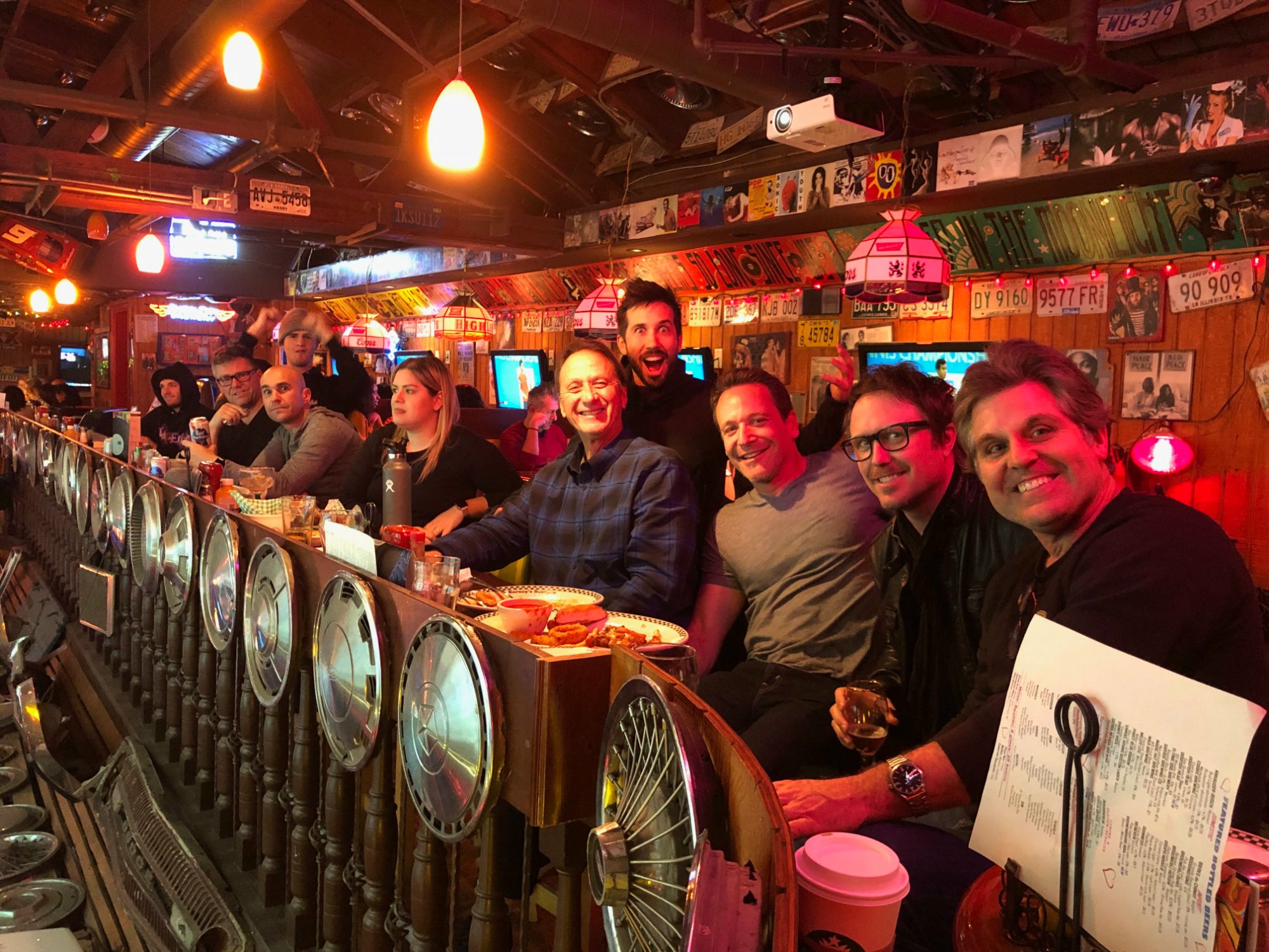
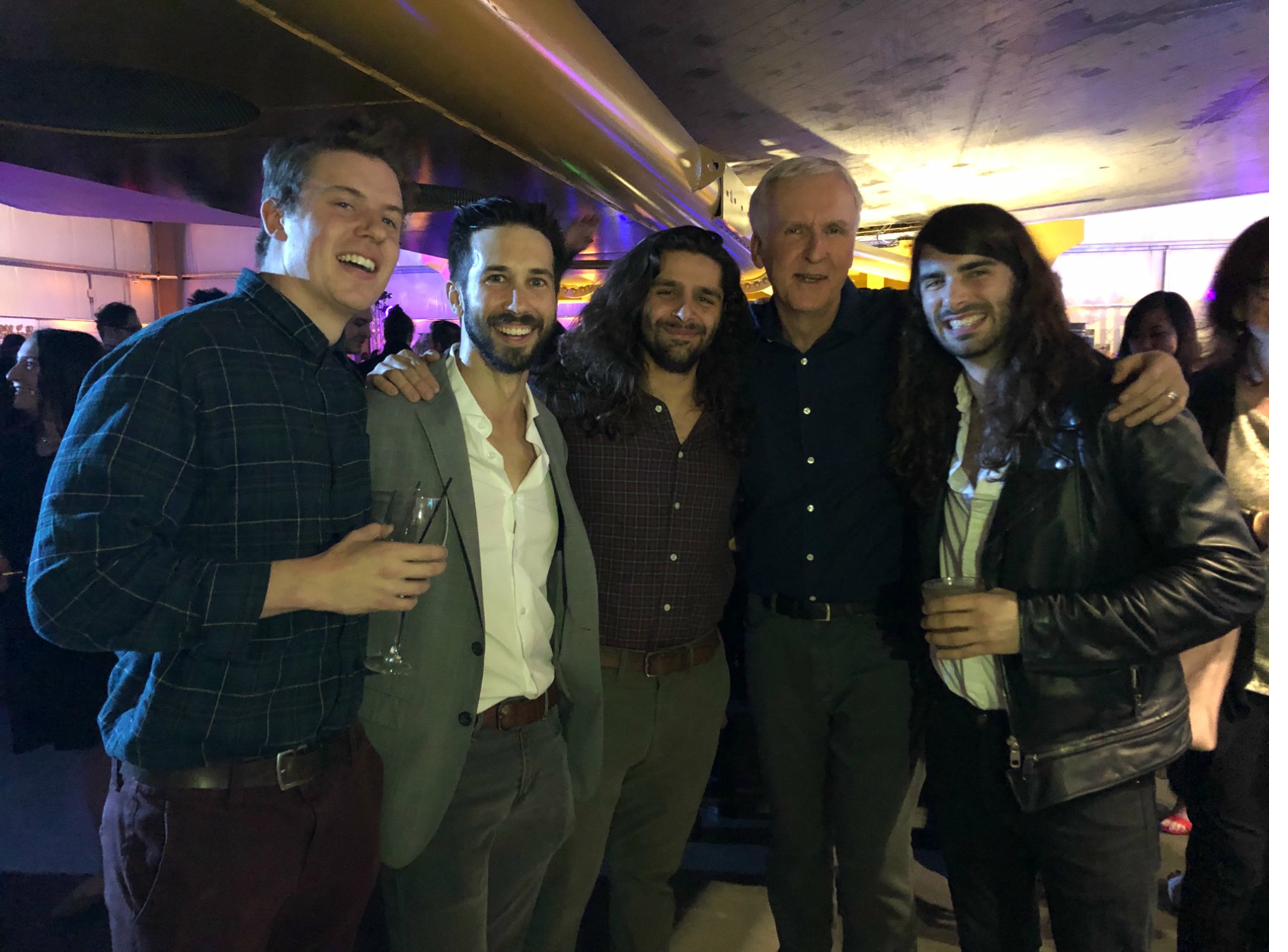
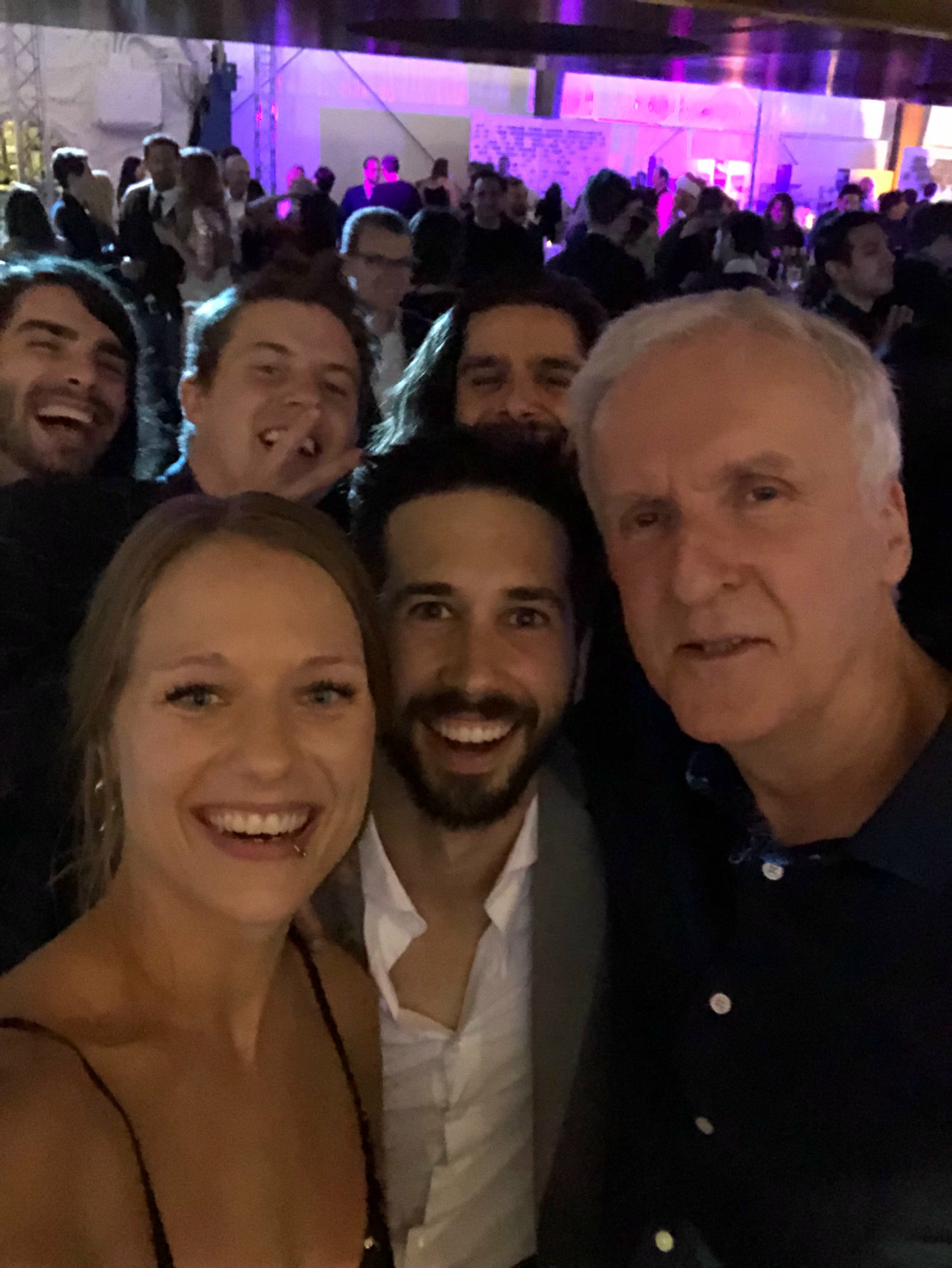
Three years on one production. It was like a college career compressed into soundstages and water tanks. You develop shorthand with people. Inside jokes. Rituals. Friday night wrap parties where Jay and I would hijack the Bluetooth speaker on Stage 27 and DJ until someone told us to stop. A rock concert where the on-set band played Come Together and I dropped to my knees in the front row to worship the guitarist's solo — and James Cameron, seeing me on the floor, got down there with me. That moment was documented by four reference cameras and Jon Landau's cellphone.
You can't replicate what three years builds. The friendships have lasted. The shared understanding of what it means to work at the highest level has lasted. It's a defining chapter — the one that made me who I am as a filmmaker.