April X
Directed by K-Michel Parandi — Starring Connor Storrie — Shot in Bucharest, Romania
The Visual Language
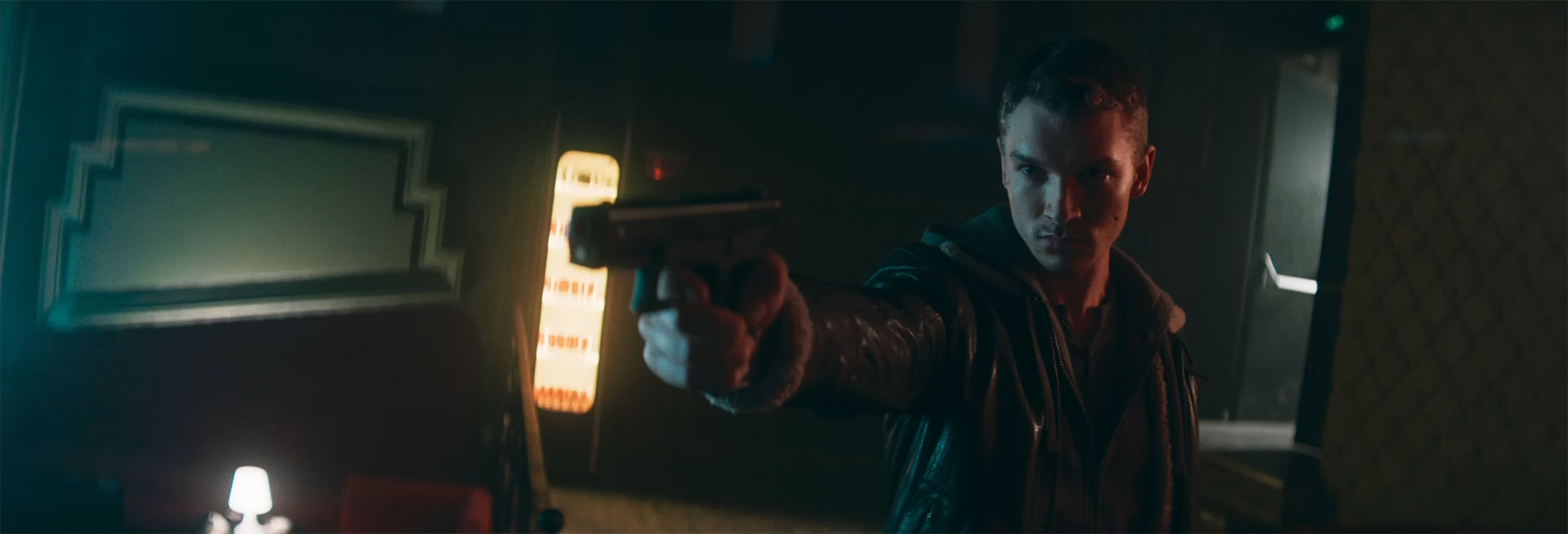
The references for April X were Blade Runner, Fight Club, and Snow Falling on Cedars. K-Michel and I spent a month of prep watching movies together, pausing and replaying individual shots, studying them frame by frame. We went through the screenplay line by line and built the shot list together. By the time we arrived in Bucharest, we had a shared visual vocabulary that let us move fast on set.
We framed for 2.75:1 — an extremely aggressive composition that you almost never see. The Xelmus Apollo full-frame anamorphic lenses covered the entire S35 sensor edge to edge with no edge distortion. The center extraction gave us the ability to use any aspect ratio up to 3:1. We chose 2.75 because it felt like the most confrontational frame for Baxter's world — wide enough to feel the walls closing in, narrow enough to isolate him in the architecture of Bucharest.
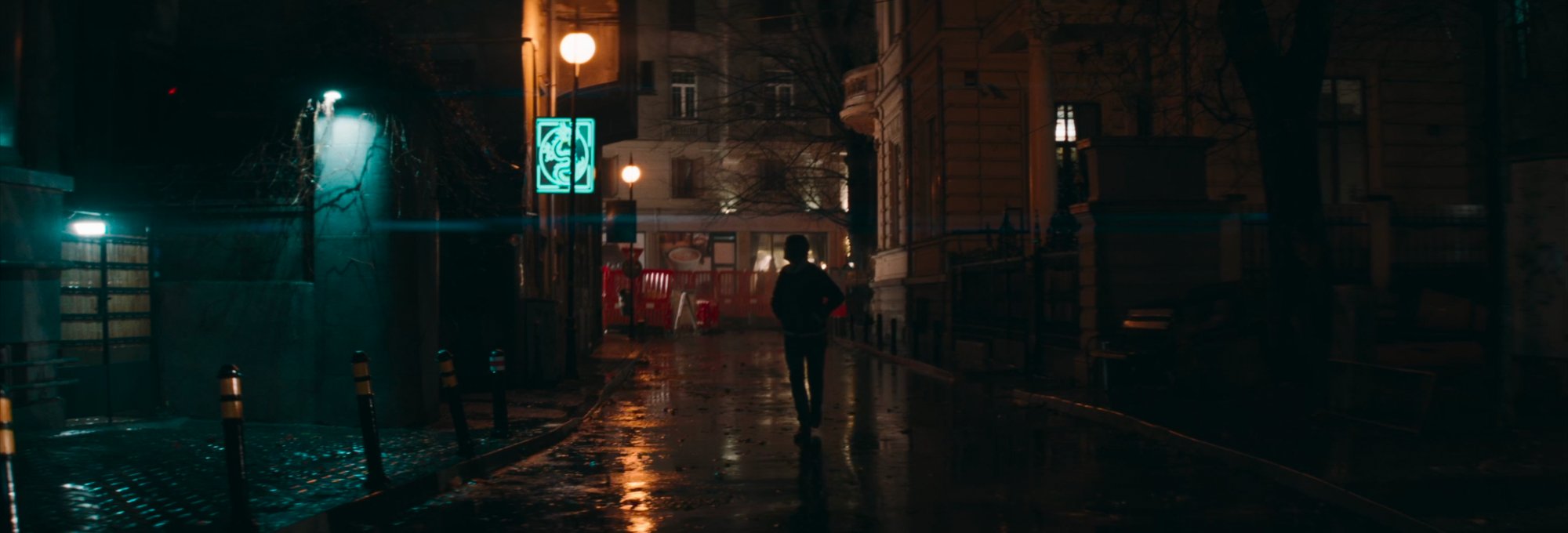
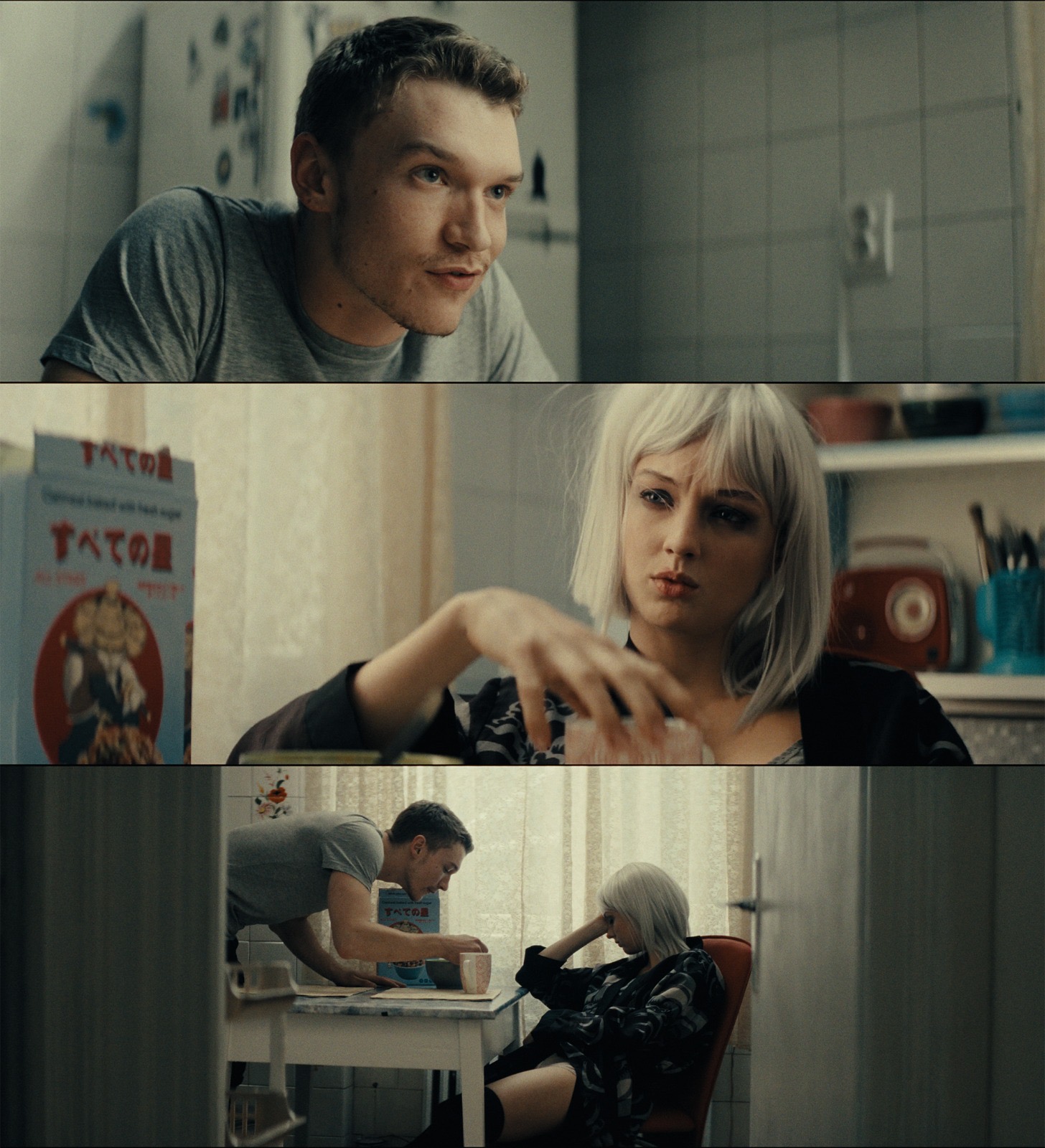
My shooting LUT was built from an ARRI Fashion look that shipped with the original Alexa 35. I baked in ARRI's new textures, which gave us something no other camera system could offer at the time. For the first half of the film — when Baxter is still whole, still connected to his sister — I used their Vintage Nostalgic texture, a softer grain that feels warm and lived-in. After the protagonist experiences a severe trauma at the midpoint, I switched to a harder, sharper texture. The audience shouldn't notice the change consciously, but they feel it. The world becomes colder and more clinical.
Bucharest Is the Film
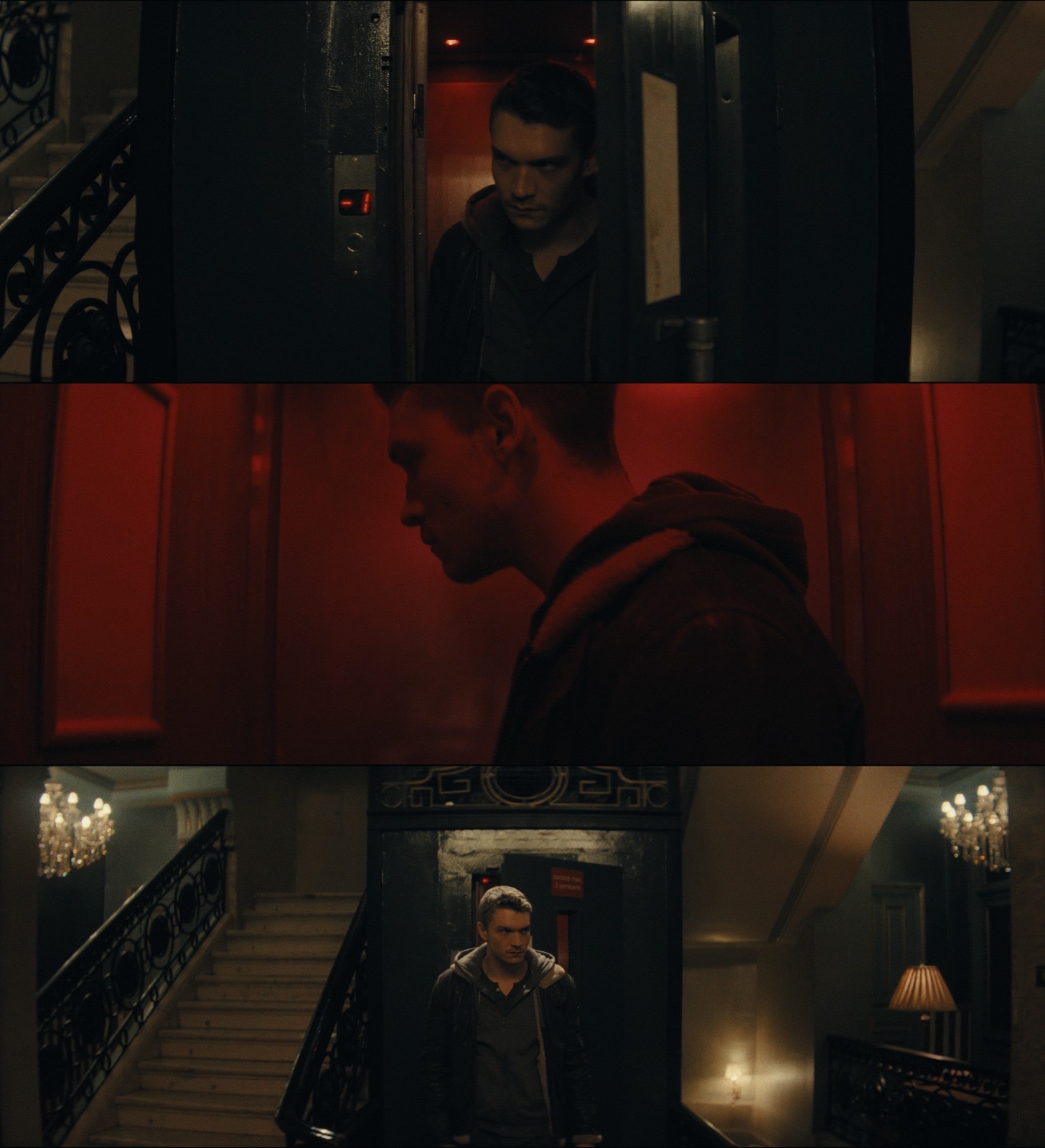
That city is one of the most beautiful in the world. Everywhere I looked I was overwhelmed by its beauty and the kindness of the people. The architecture became a collaborator — ornate ironwork elevator shafts, grand marble staircases with chandeliers, cobblestone streets that catch light like water. Bucharest gave us the texture of a European noir without ever feeling like a postcard.
500 Extras and 48 Moving Heads
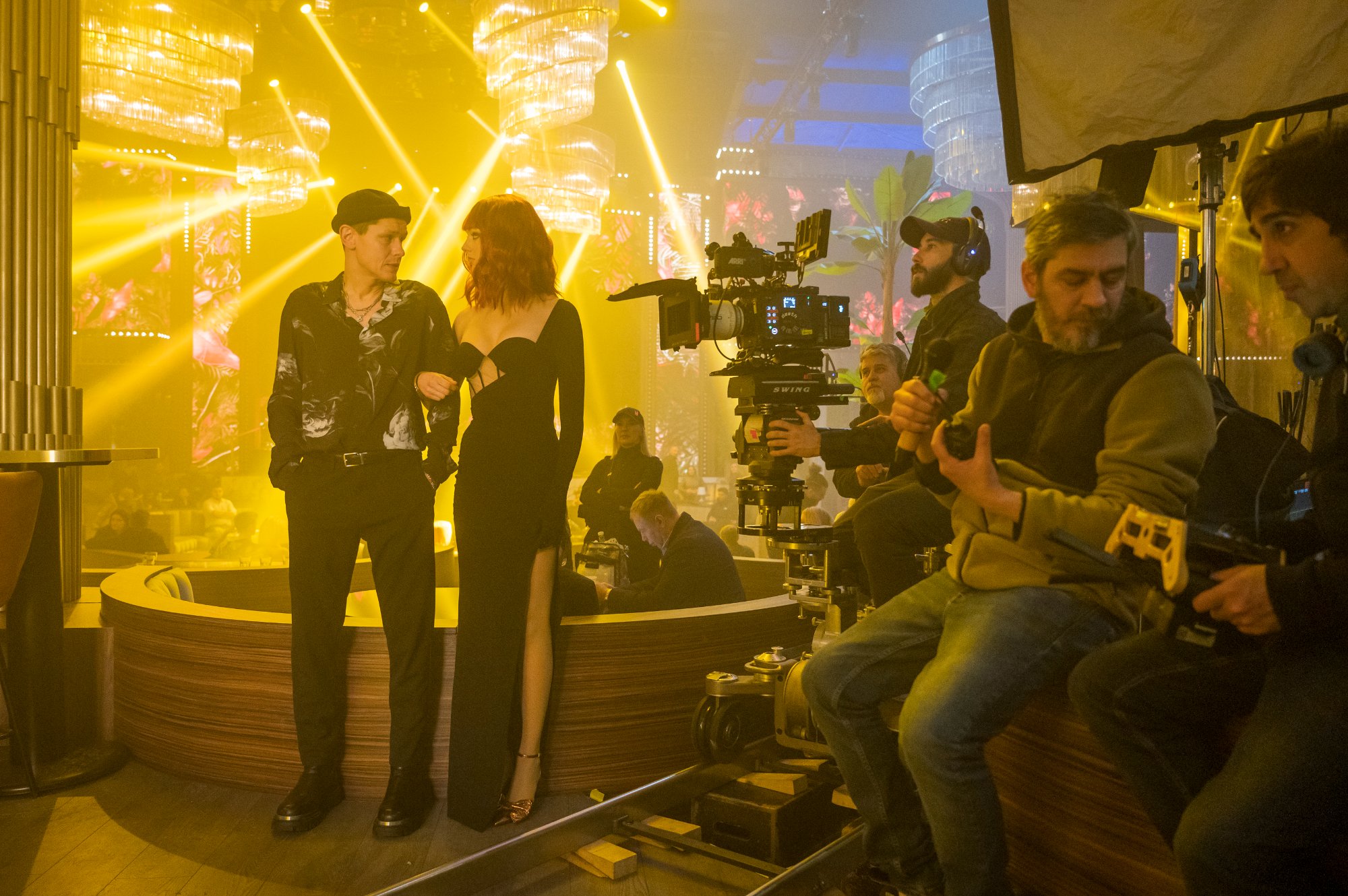
The large club sequences were the scenes I'm most proud of. I got to design the lighting rigs for over four dozen moving lights across multiple club locations. I spent a couple of prep days programming dozens of fixtures into zones, building chase patterns and pre-programmed looks. I knew that on the shoot day I'd be moving around these locations all day long and would need to adjust the lighting positions to maximize what I was seeing on camera from each new angle.
I had every zone and every look pre-programmed so that on the day — with five hundred extras packed into the club — all it took was the click of a button and we were re-lit for the next scene. No waiting for the lighting team to reposition between setups. That kind of prep is what lets you move fast when you have hundreds of background performers and a tight schedule.
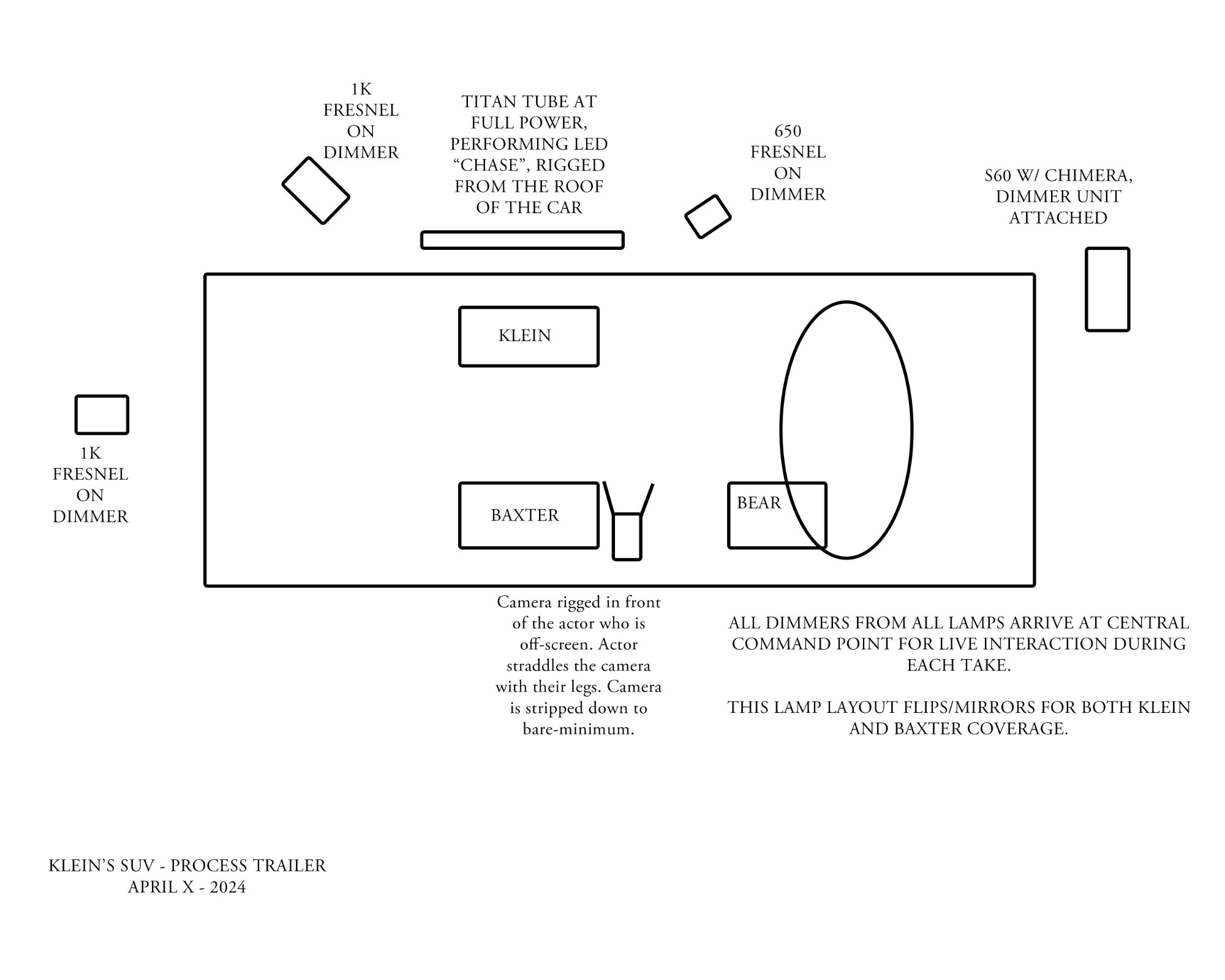
Process Trailer — Klein's SUV
For the car interior scenes with Klein, we used a process trailer with the camera rigged in front of the actor who is off-screen. The actor straddles the camera with their legs. The camera is stripped down to its bare minimum to fit in the space. All dimmers from all lamps arrived at a central command point so I could interact with the light live during each take — riding the dimmers as the performance unfolded. The layout flips and mirrors for both Klein and Baxter coverage.
When Bucharest Woke Up Under Snow
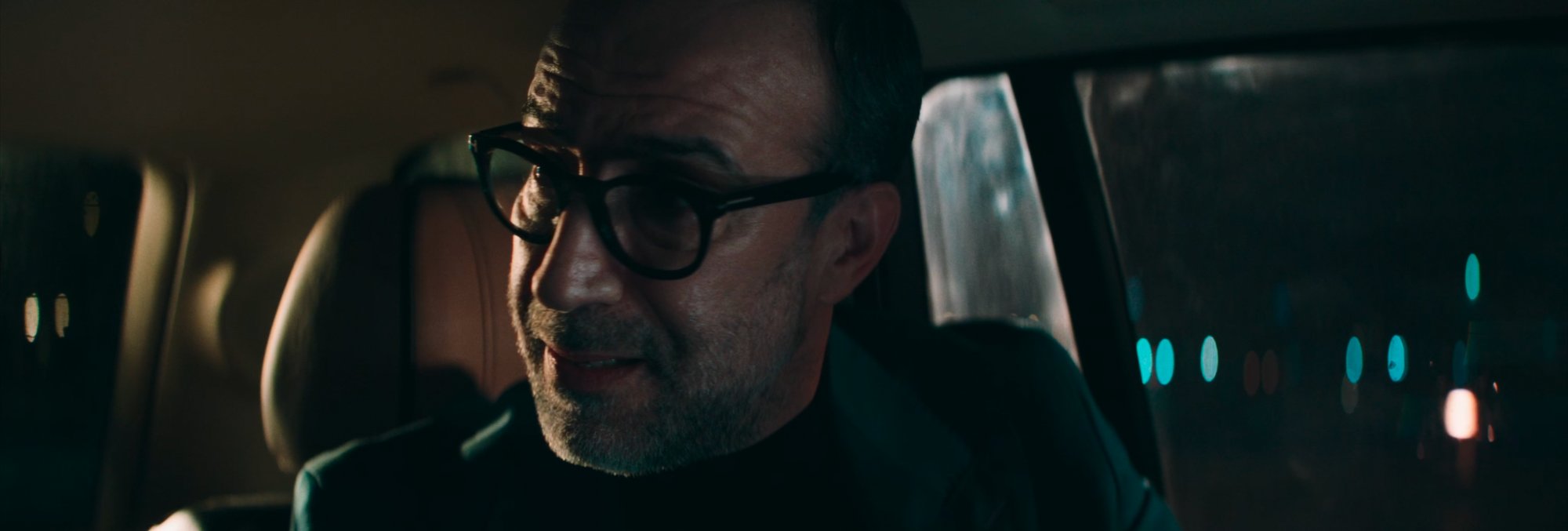
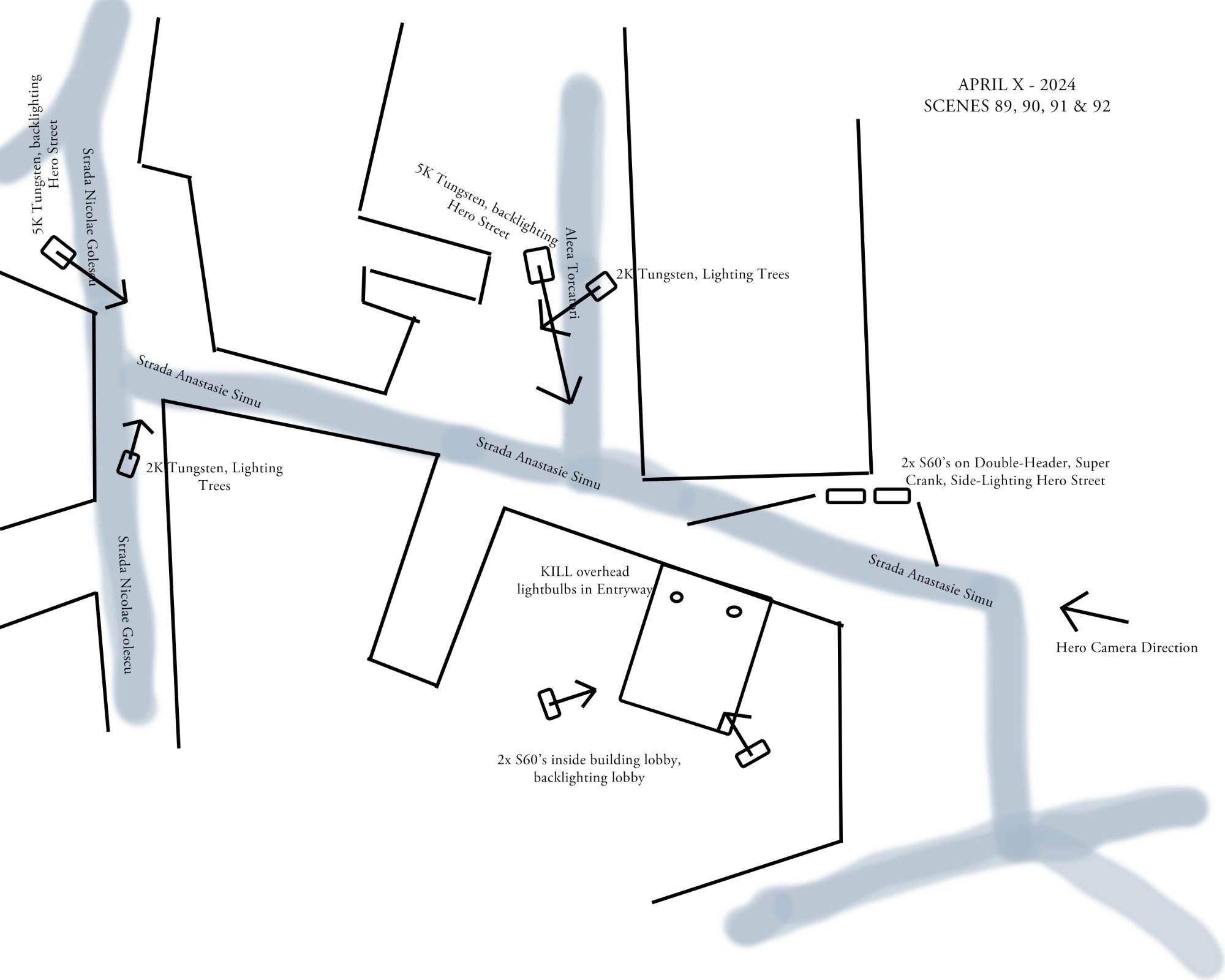
One morning we arrived at our location and there was a foot of snow on the ground. It killed our continuity — the scene we needed to shoot had already been established in prior footage without snow. On a tight schedule we couldn't afford to push. Within two hours of call time, we found a new location, rewrote the script to accommodate the conditions, and shot the car interrogation inside a warehouse. I had to light the vehicle interior to simulate full sun. On a separate day after the snow had melted, we picked up the exterior moment where Baxter gets grabbed off the street. We had to avoid the snow altogether — a puzzle of scheduling, locations, and lighting that we solved in real time.
Connor Storrie
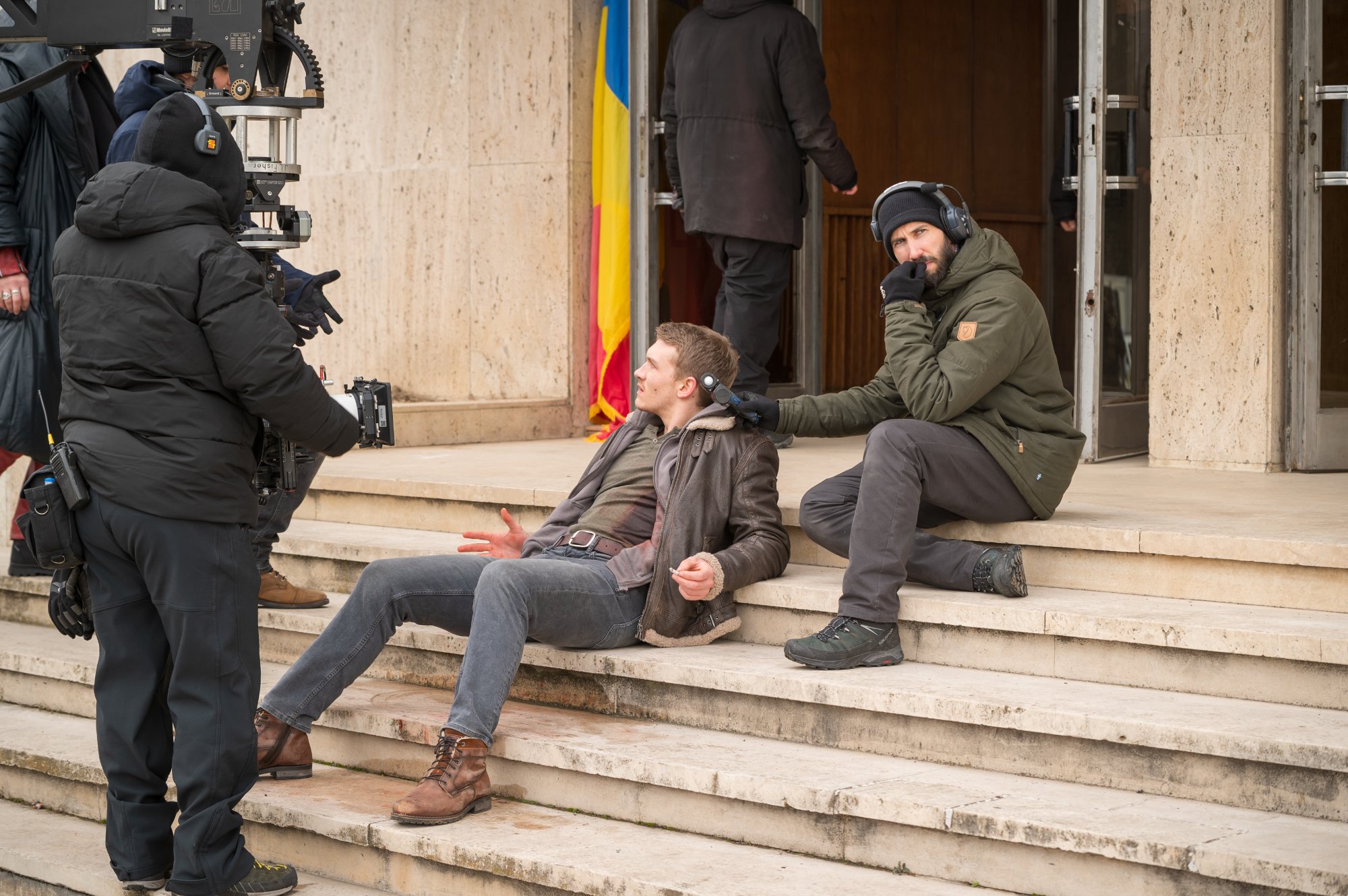
Connor was clearly a legend when we cast him. We knew he was going to be in Joker: Folie à Deux with Joaquin Phoenix, but he had not yet been cast in Heated Rivalry. He always smiles, he's always on time, he's always prepared, always curious, always asking great questions. His demeanor on set is light and friendly — he loves talking to the crew at lunch. He's quick with a smile and true talent. When you're operating the camera and your lead actor gives you that kind of energy, it changes how you shoot. You stay looser. You find moments you never would have planned.
Prep as Partnership
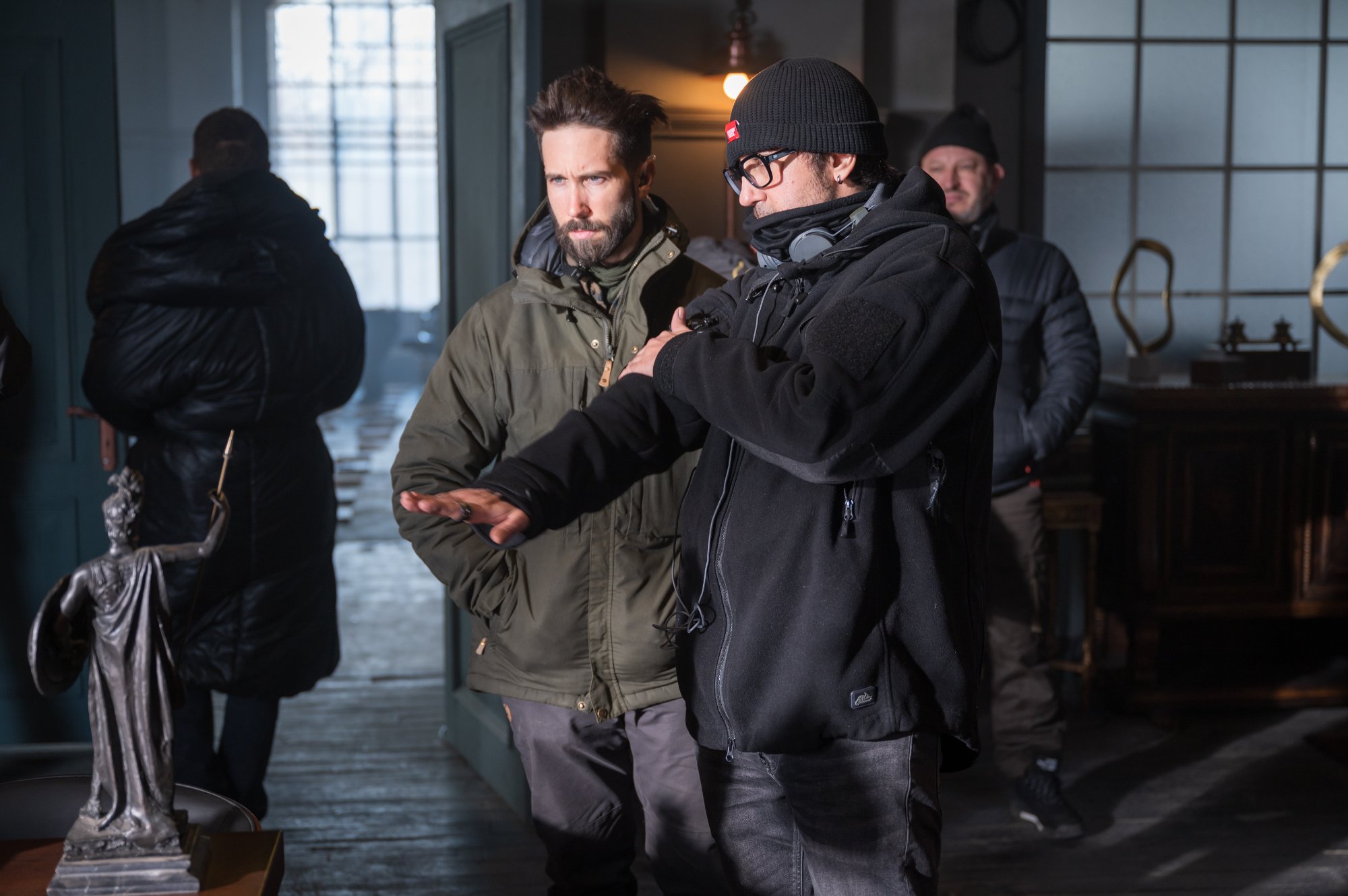
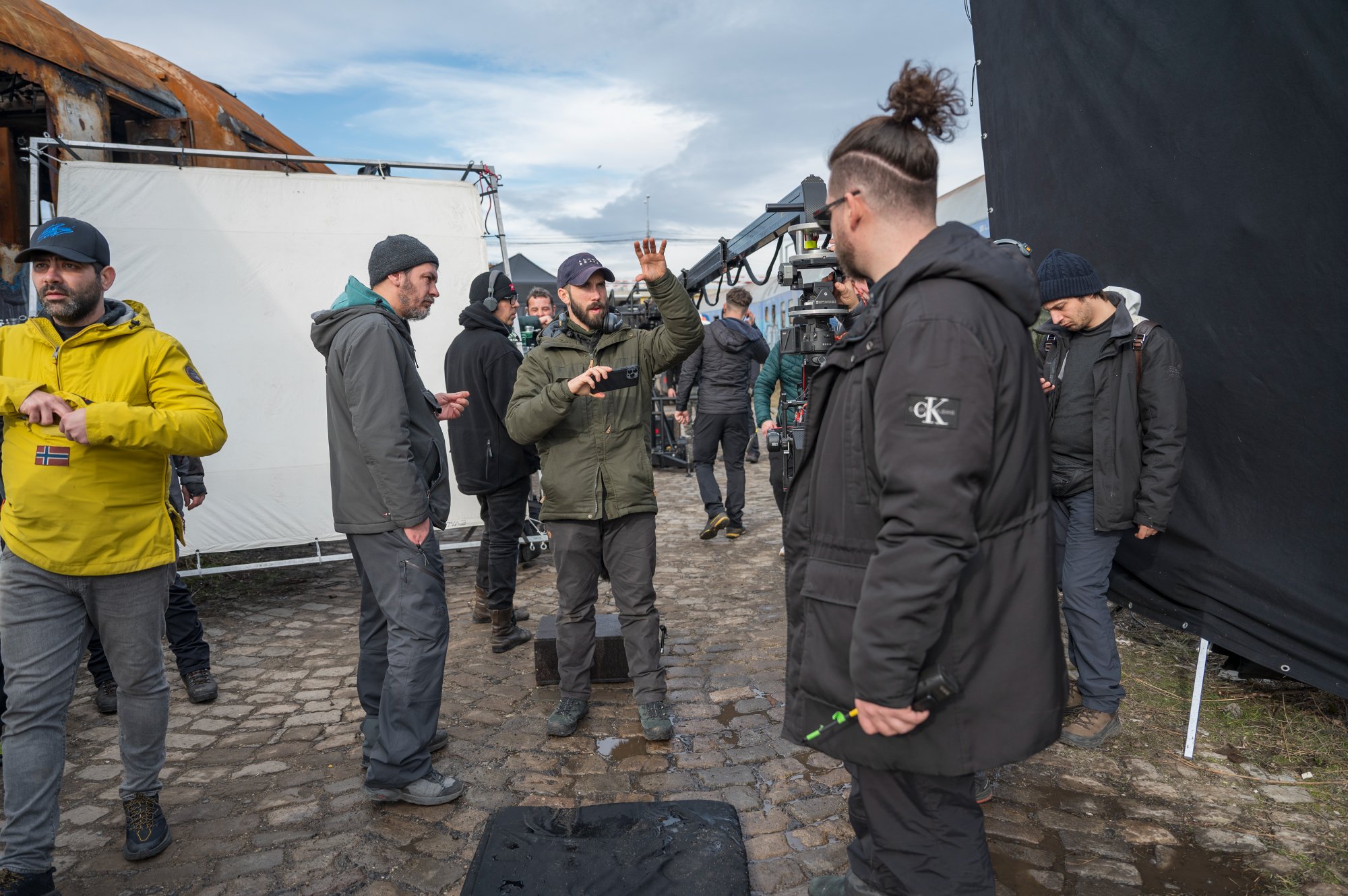
Working with K-Michel is a blast. Our prep process was watching movies and talking about favorite scenes — pausing, rewinding, replaying certain shots over and over, studying them. We'd break down what the cinematographer was doing, why a composition worked, what the light was saying about the character in that moment. Then we'd go through the screenplay line by line and build the shot list together over the course of a month. By the time we were on set, we barely needed to talk. The shorthand was already there.
— K-Michel Parandi, Director