Elton John: Touched by Gold
Directed by Toby Trackman
Shooting Around Elton
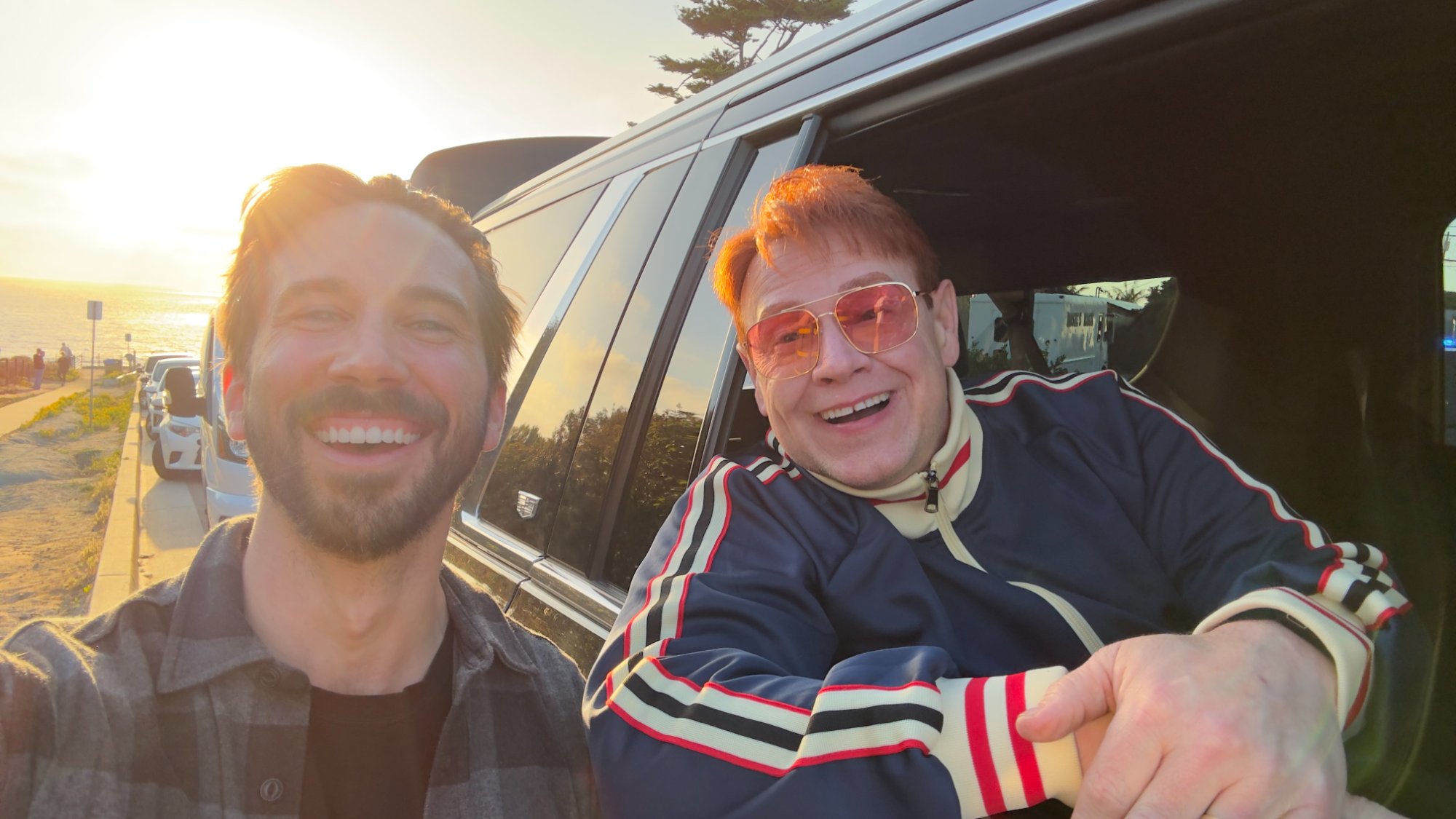
This was the beginning of the documentary, and Elton was hesitant to meet a new crew at this stage in his life. His health isn't what it was, and he's very protective of his personal space. That's not something you push against — it's something you design around.
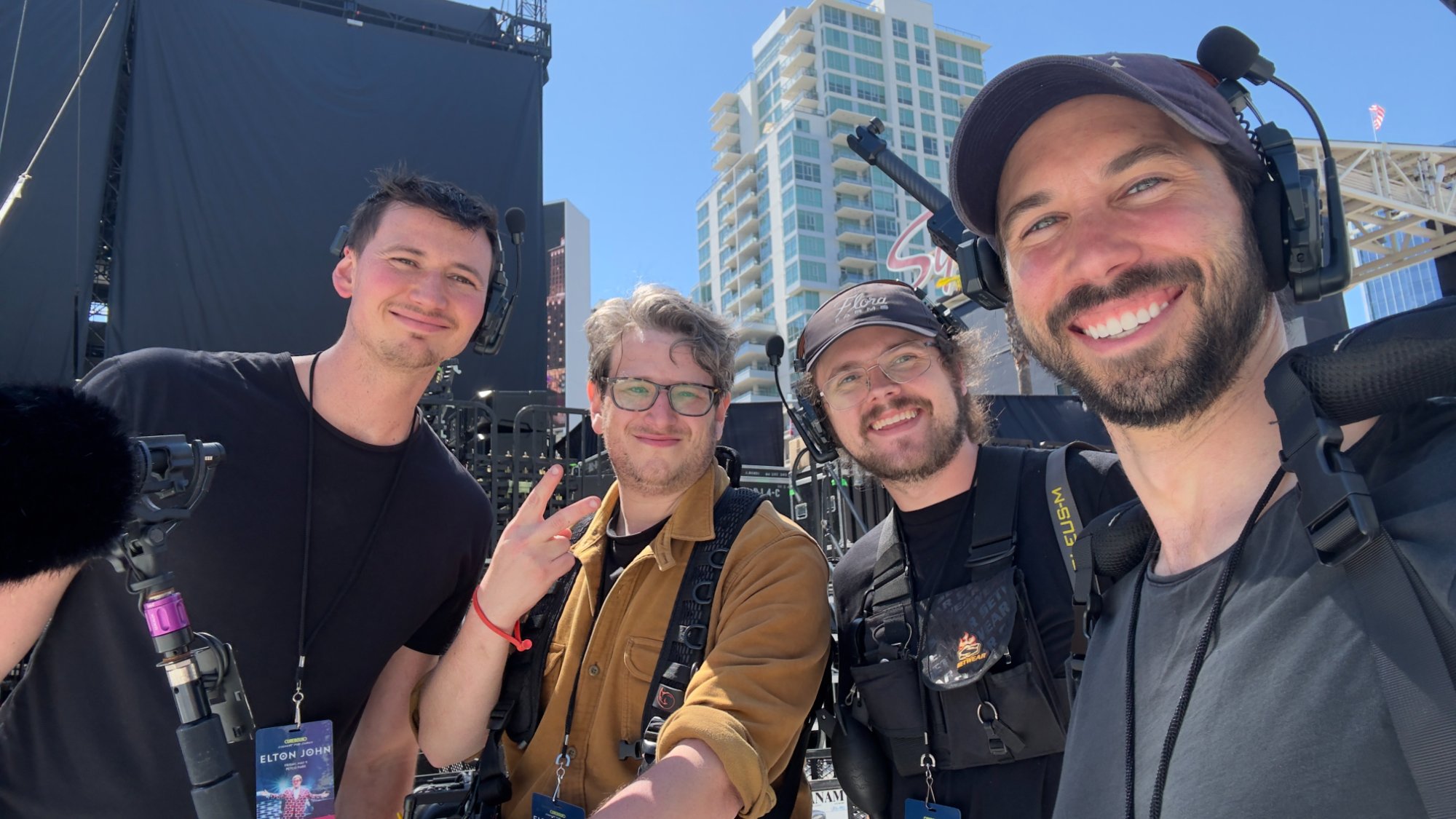
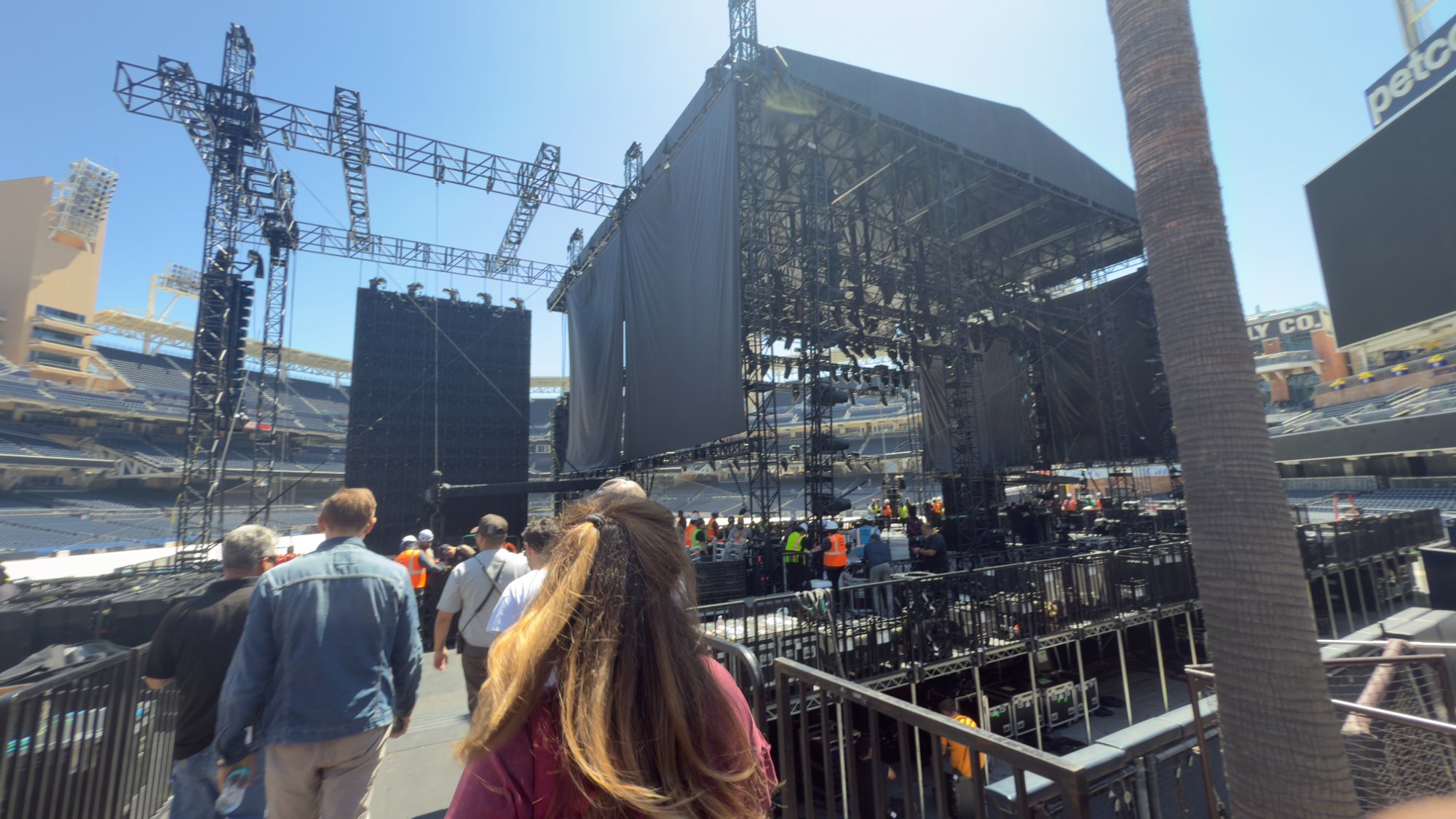
We had to get creative. The approach was to shoot everything we could without Elton first — his sound check environment, his personal spaces backstage, the venue itself, the energy of the crew preparing for the show. We built the visual world of the documentary around him before he was ever in front of our cameras. Then, when we had access to Elton for thirty minutes during sound check and during the concert itself, we filled in the blanks. Every shot of him was planned and efficient. We knew exactly what we needed because we'd already constructed the surrounding footage.
The 50–1000mm at Night
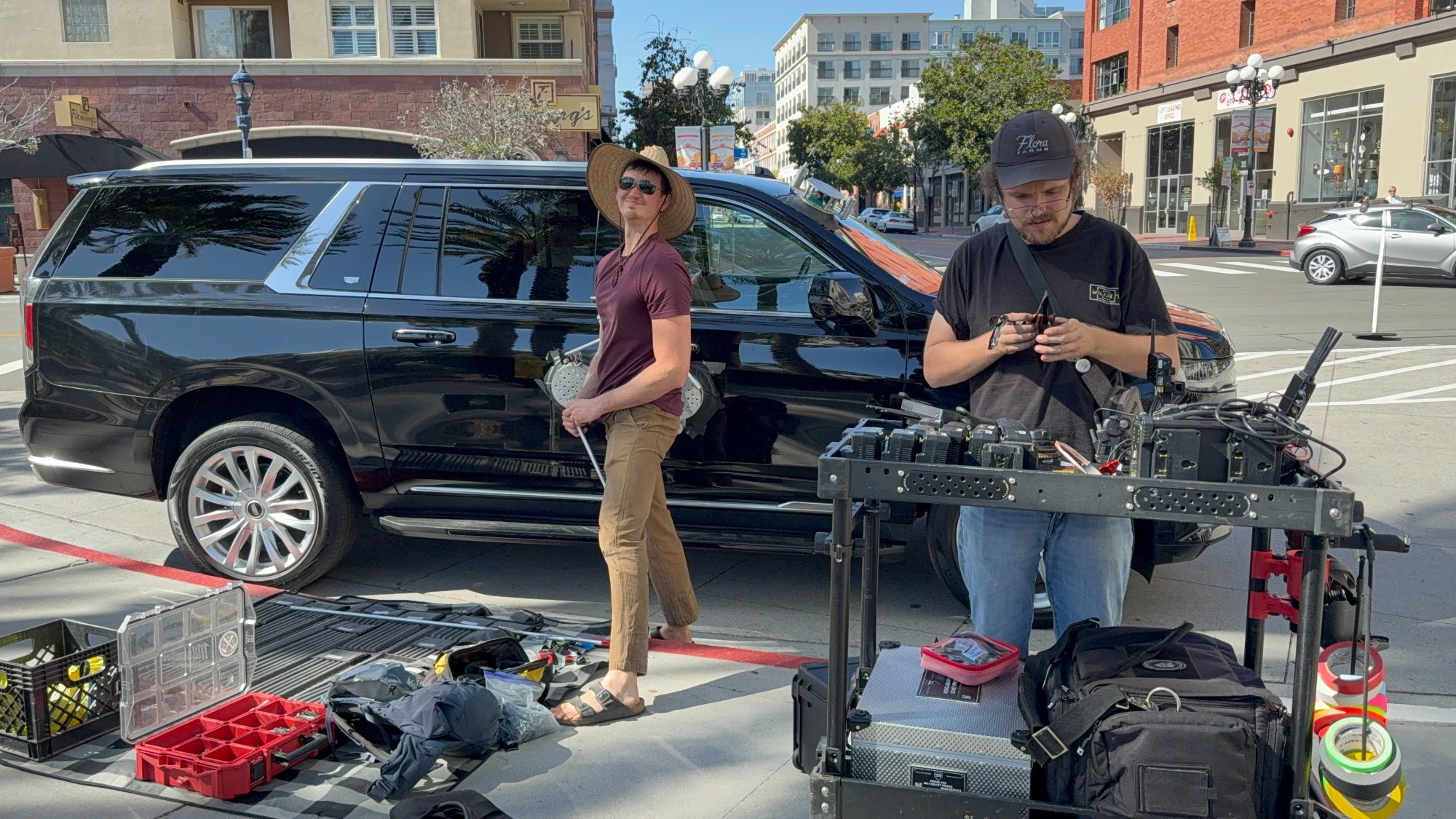
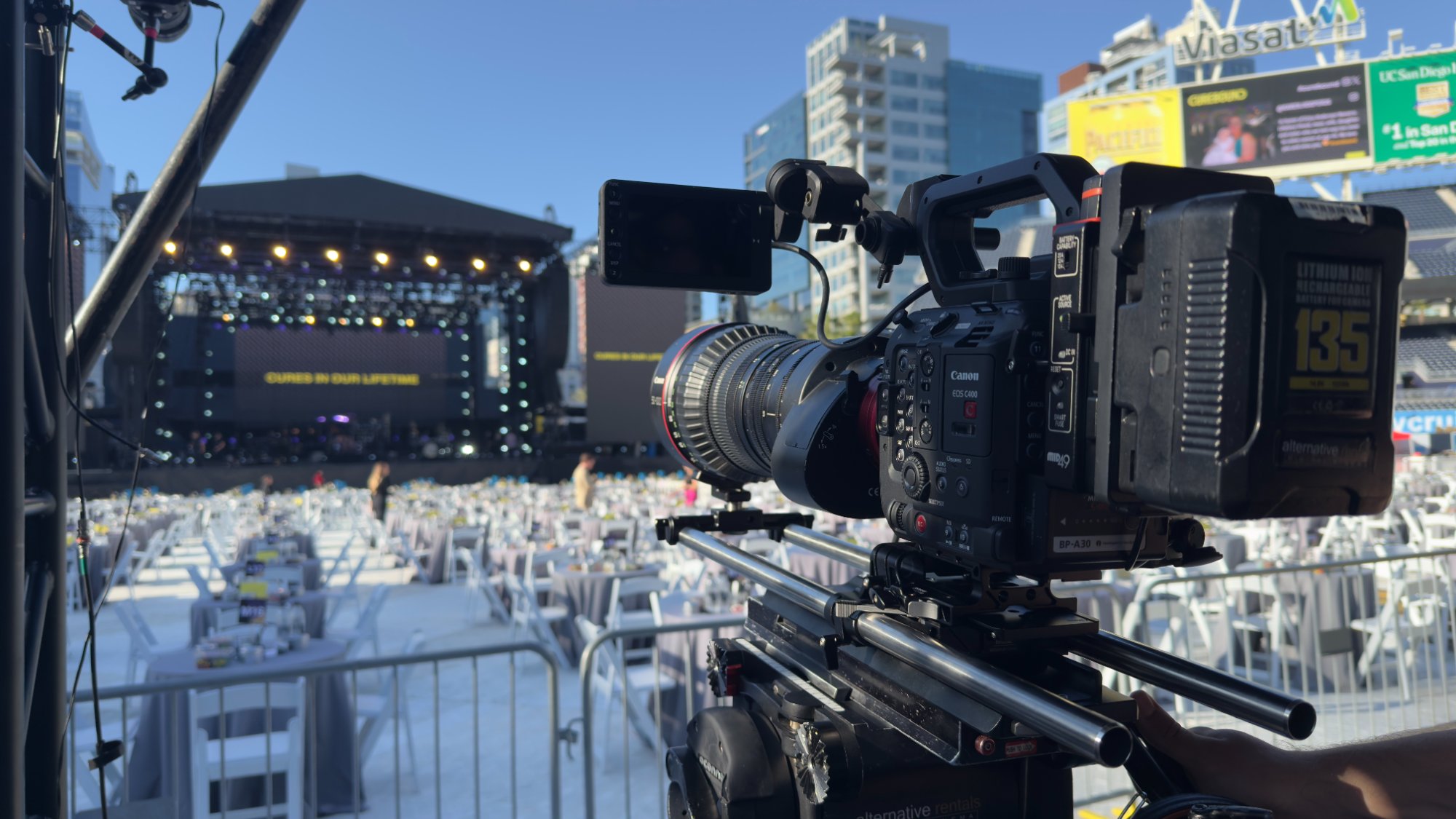
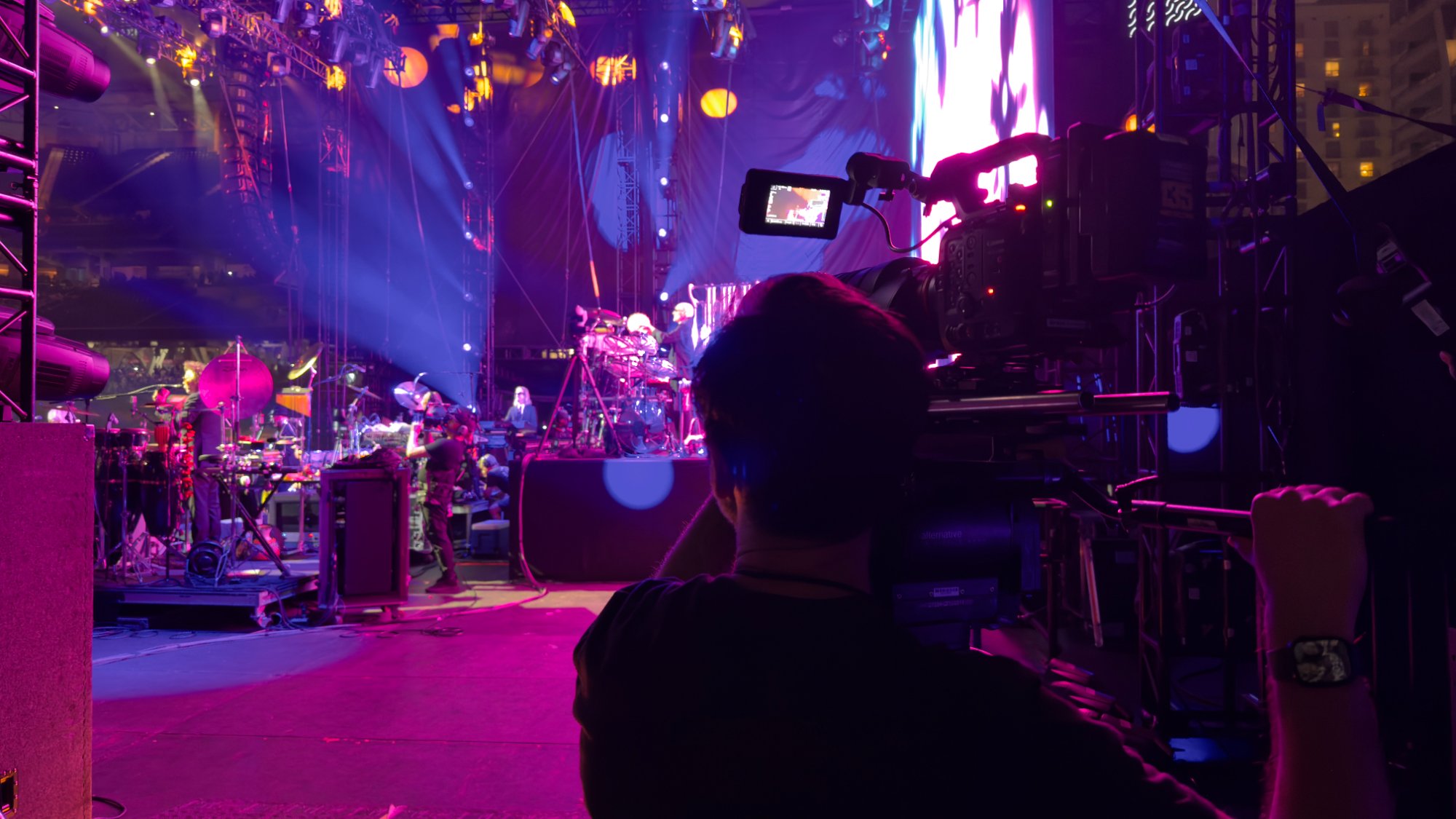
I knew getting physically close to Elton was going to be difficult. So before the shoot, I reached out to my friend Matt Irving at Canon headquarters. Canon was excited to be part of the project and helped me secure the coveted Canon 50–1000mm zoom — the same lenses used on Dune. What made this interesting was that no one had ever paired the 50–1000 with the new Canon C400 before. And no one had ever used it at night.
The 50–1000 is a T8 wide open. That's an enormous amount of light to lose. Most cinematographers would never consider shooting a live concert through a T8 lens. But I was confident the C400's new high ISO base would compensate. I tested the math in my head, trusted the sensor, and committed to the approach.
I was right. We nailed it.
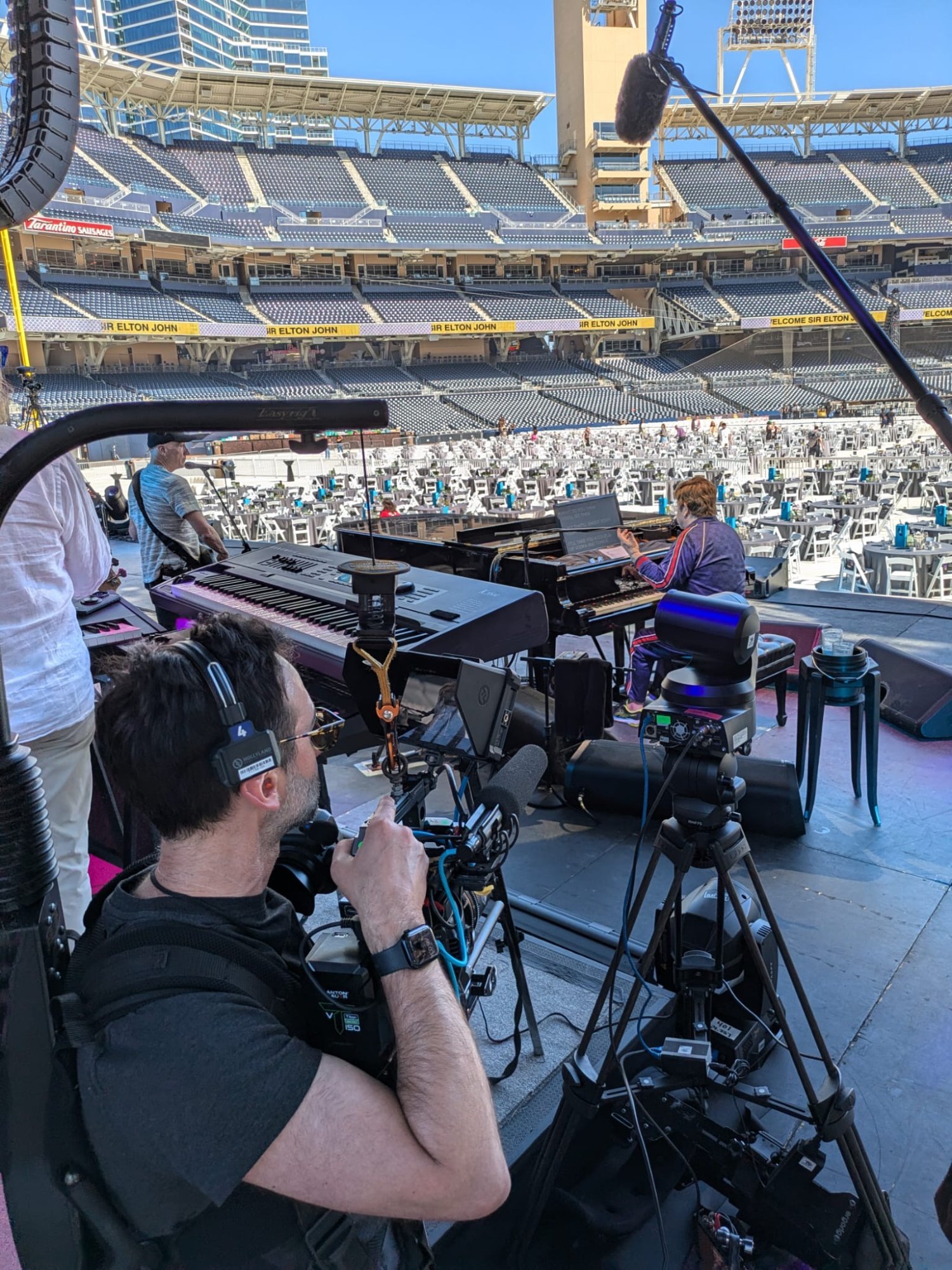
Initially we positioned the big zoom in the sound booth — the obvious choice, good sightlines, out of the way. But then I found an angle backstage where we could sneak the camera in and get an extreme close-up of Elton as he played. Shouting over the music, I got permission from Elton's manager, and we moved the massive camera rig into position. The shot is spectacular — an intimate portrait of Elton at the piano, compressed through a thousand millimeters, while he has no idea we're there. It feels like you're sitting next to him.
Champagne Glass Bokeh
Toby wanted sparkly foreground in every shot. That was his mandate — the image should always feel like it's being seen through something luminous and celebratory. The visual language of Elton's world is gold, glitter, sparkle.
I bought a set of plastic champagne glasses — the kind with sparkles embedded in them — and rigged them to Noga arms in front of the lenses. We'd manipulate the glasses between takes, tilting and rotating them to catch the stage lighting and create layers of warm, shimmering foreground bokeh on every shot. It's a zero-cost trick that gave the entire film its signature texture. The image never sits flat. There's always depth, always movement, always a sense that you're peering into something precious.
The Dune Lenses
Alongside the 50–1000, we shot on the same set of lenses that were used on Dune — a set of Canon cinema primes with specific optical characteristics that give the image a warmth and softness that modern glass often eliminates. Paired with the R5C as a secondary body for tighter, more mobile work, the combination gave us two distinct textures: the grand, compressed distance of the zoom and the intimate, handheld closeness of the primes.
Documentary cinematography is a different muscle than narrative. You can't ask Elton John to repeat a moment. You can't relight between takes. You get what you get, and the craft is in being ready — having the right lens, the right position, the right exposure — before the moment happens. Everything on this shoot was about anticipation. Planning the shots we couldn't reshoot. Building the visual architecture around a subject who wasn't going to give us a second take.