Helmet
Directed by Sean Crampton
A Period Piece in the Modern World
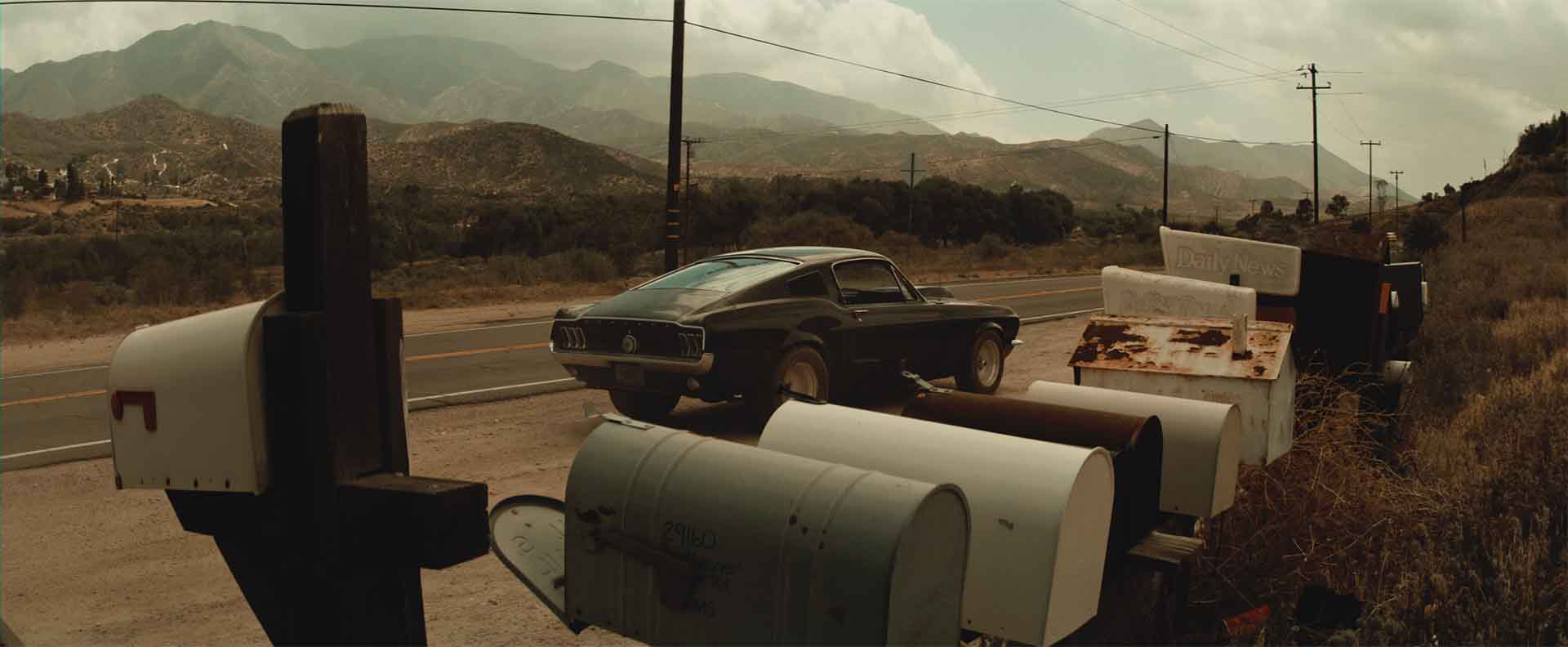
Helmet is a period piece set in sun-scorched California. The location was surrounded by modern structures — buildings, power lines, infrastructure that would immediately destroy the illusion of the time period. Every single frame had to be precisely composed to include only period-authentic production design. There was no margin for error. A degree too far in any direction and the audience sees the 21st century.
This constraint defined the entire visual approach. Where most cinematographers would chase the best light regardless of angle, I had to work within narrow corridors of composition that hid the modern world. The camera couldn't go where the light was most flattering — it could only go where the frame was period-clean.
Embracing Front Light
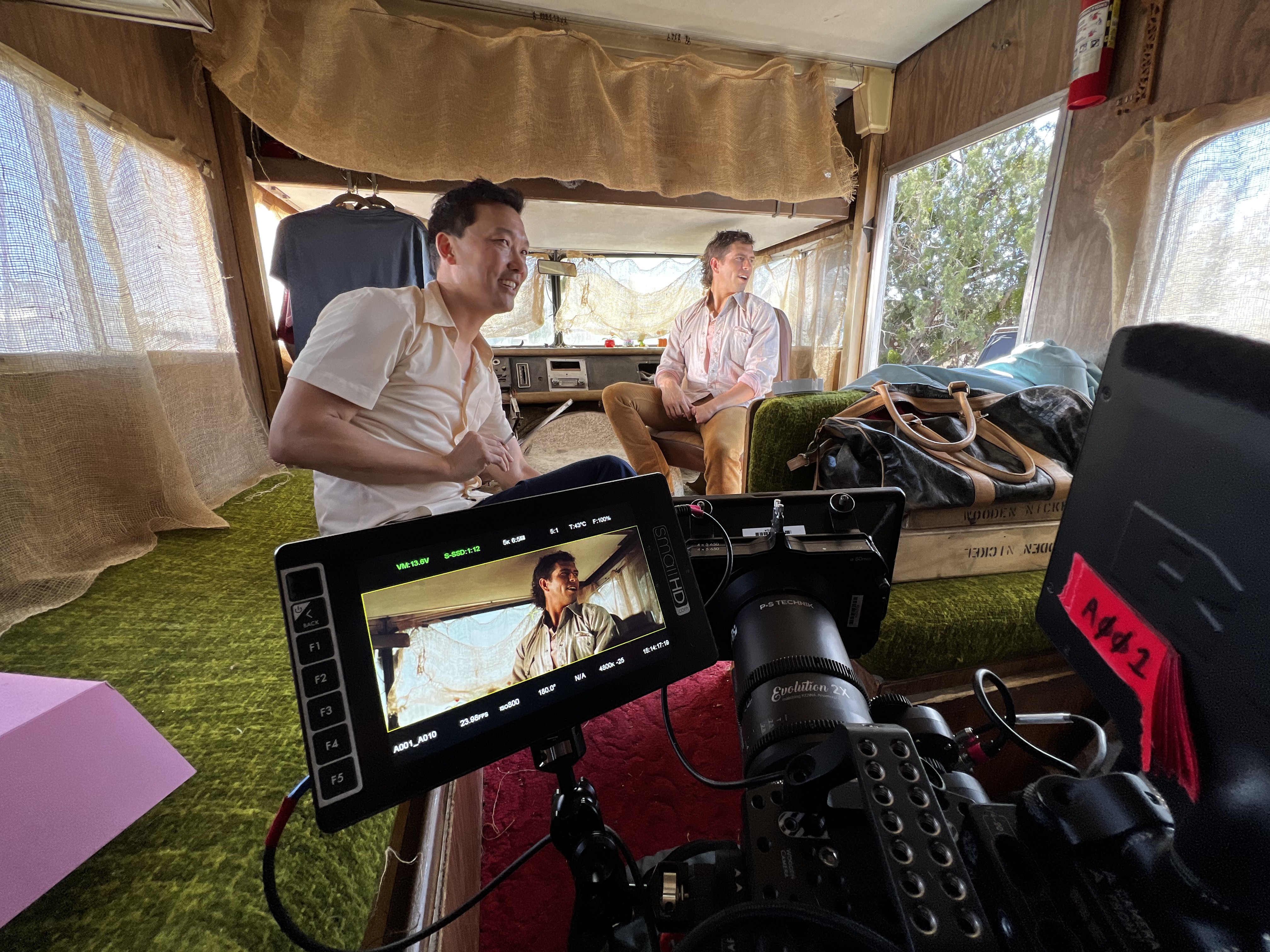
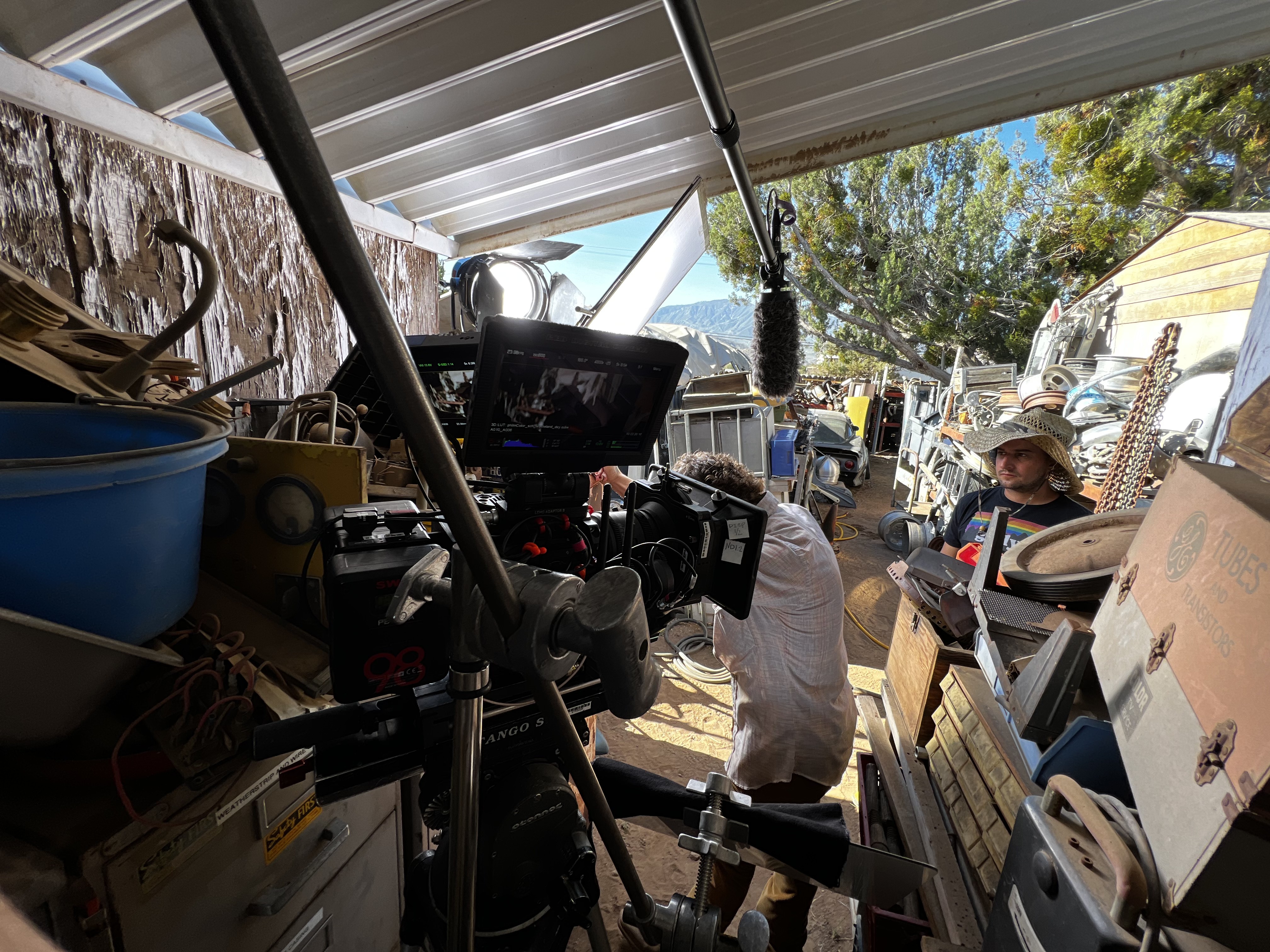
We shot all day long, which meant working with every sun angle — morning, midday, afternoon, golden hour. For the closing scene, the only composition that hid the surrounding modern structures put the sun directly in front of the actors. Most cinematographers avoid front light. It flattens faces, kills dimension, and removes the shadows that give an image depth.
I had to embrace it. Instead of fighting the front light, I exposed for it — let it wash over the actors and the landscape, creating a bleached, heat-struck quality that actually served the story. The Kowa anamorphic lenses helped enormously here. Their inherent softness and flare characteristics turned the harsh front light into something organic and beautiful. The flares became part of the visual language — not a mistake, but a feature of the sun-scorched world the film lives in.
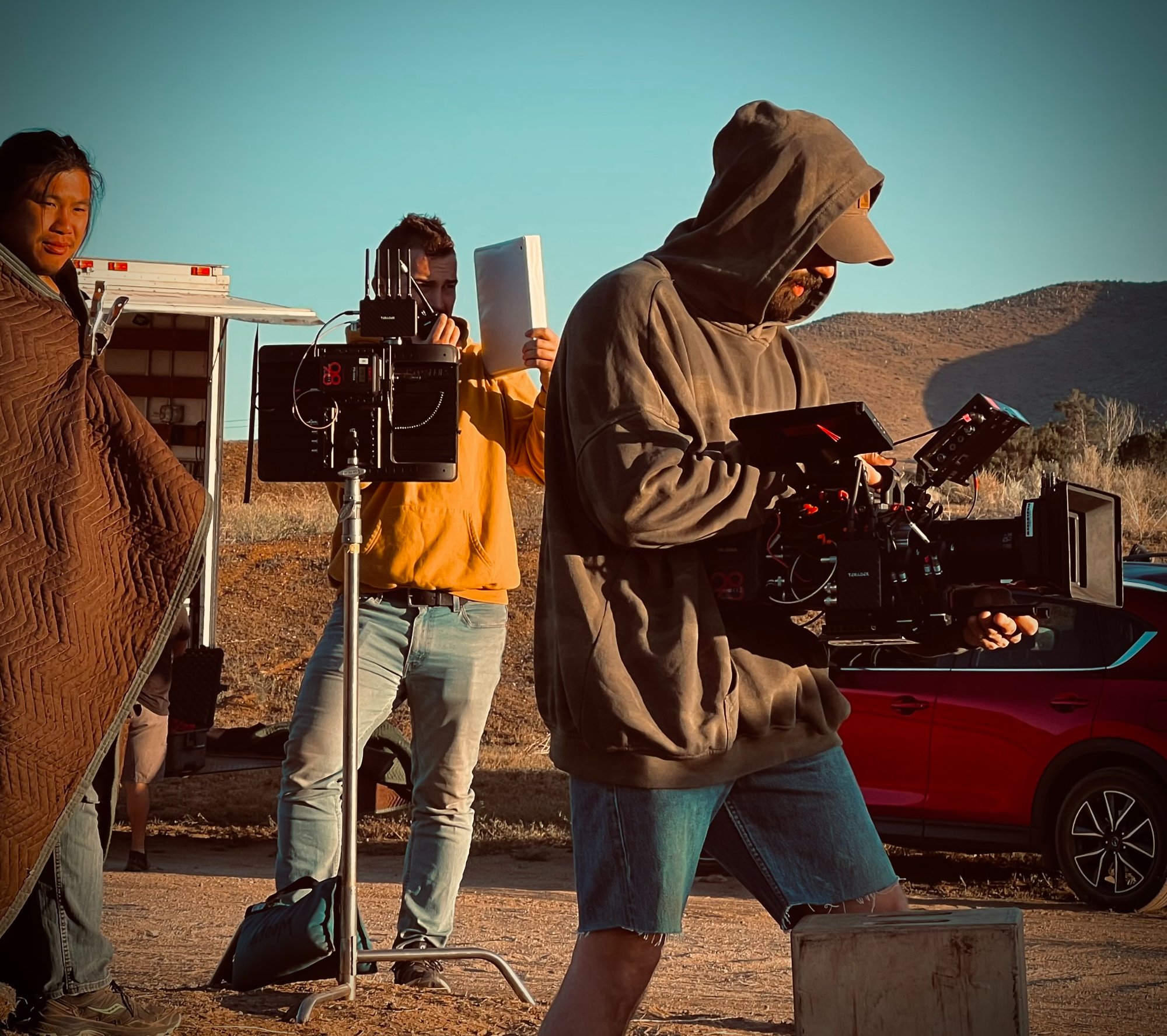
Anamorphic in the Desert
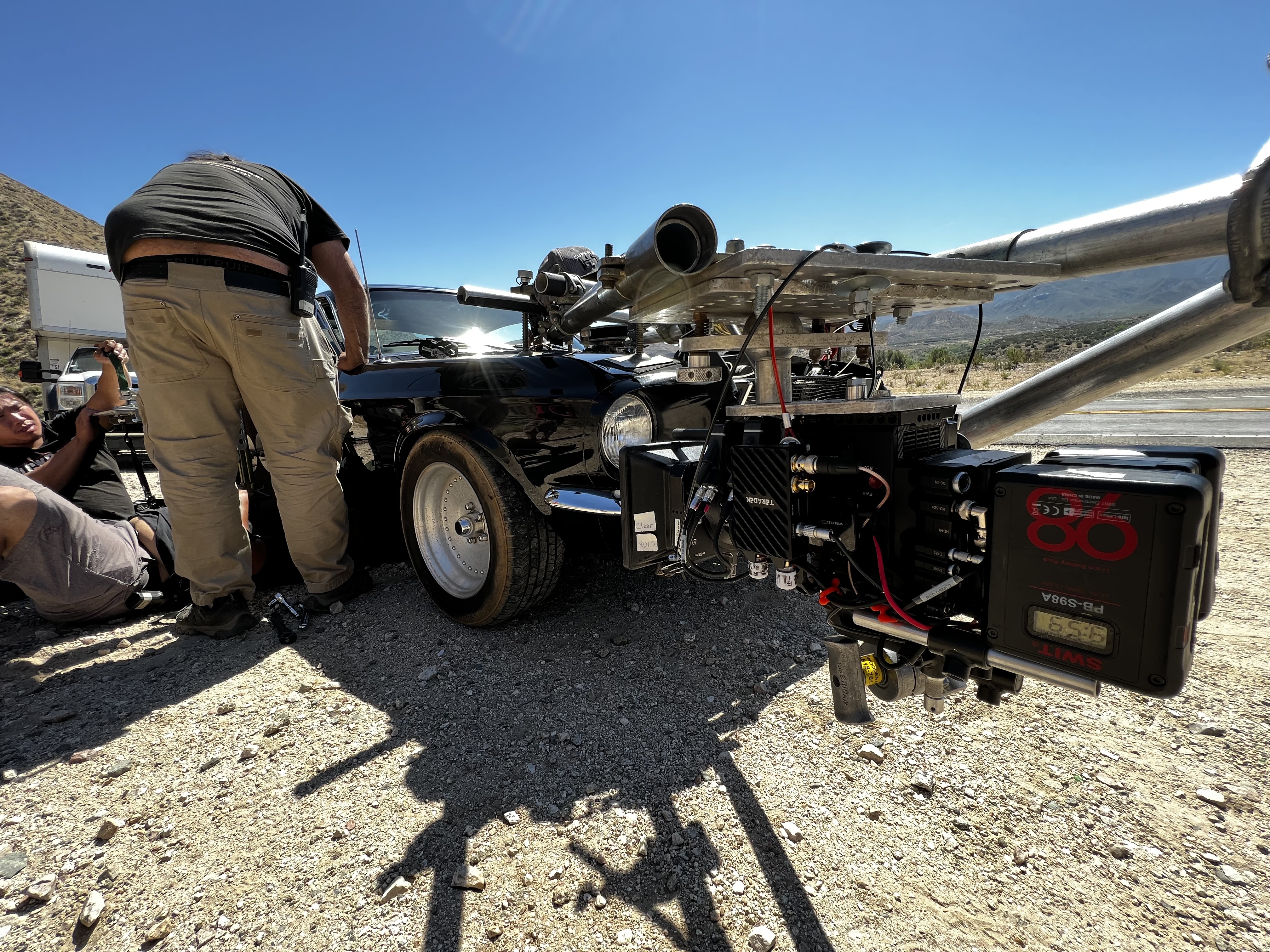
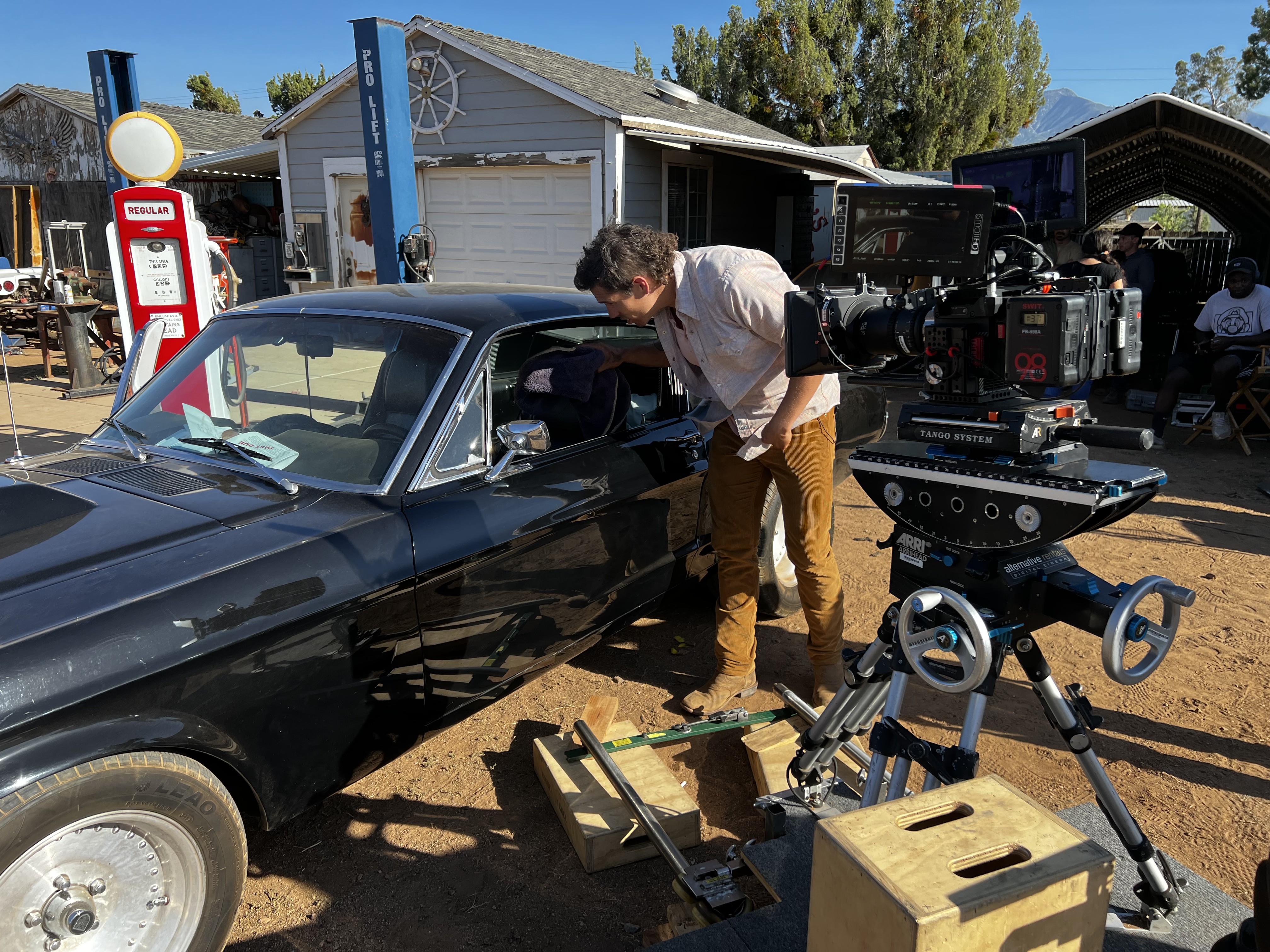
The RED Gemini paired with Kowa anamorphics gave the image a texture that felt right for the period. The Kowas have a softness and character that modern glass doesn't — imperfections in the coatings, gentle halation around highlights, and a particular way of rendering out-of-focus areas that feels painterly rather than clinical. For a film set in a time before digital perfection, that imperfection was essential.
The anamorphic widescreen format also served the landscape. California's desert is horizontal — flat terrain stretching to distant mountains under an enormous sky. Anamorphic scope lets you hold both the intimate human story and the vast environment in the same frame, which is exactly the tension Helmet needed.